Alginate masks have recently flooded store shelves and beauty corners, quickly becoming bestsellers and darlings of skincare lovers. The best part? You can easily whip up one of these masks at home. What gives them that incredible WOW effect, and how should you use them properly? Find all the details in today’s ultimate guide.
Everything You Need to Know About Alginate Masks
Alginate masks originate from Korea, a country renowned for its cutting-edge beauty innovations. These masks instantly hydrate, tighten, and smooth the skin while reducing redness. What’s the secret behind their magic?
The Core Secret of the Alginate Mask
The true magic lies in alginate itself. This substance was accidentally discovered in 1981 by American biochemist Moore Stanford while he was extracting iodine from brown seaweed. Alginate was a byproduct—and now women everywhere owe him a debt of gratitude.
Alginate is packed with minerals, vitamins, and beneficial compounds that it delivers to the skin. Additionally, the mask may contain supplementary ingredients like diatomaceous earth, allantoin, hyaluronic acid salts, and more, which further amplify the visible benefits.
How to Prepare the Mask
Alginate masks for home use are typically sold as a dry powder. To prepare one, simply mix the contents of the packet with warm water—could it be any easier? Use only non-metallic (!) bowls and spoons to avoid any contact between the mask ingredients and metal surfaces.
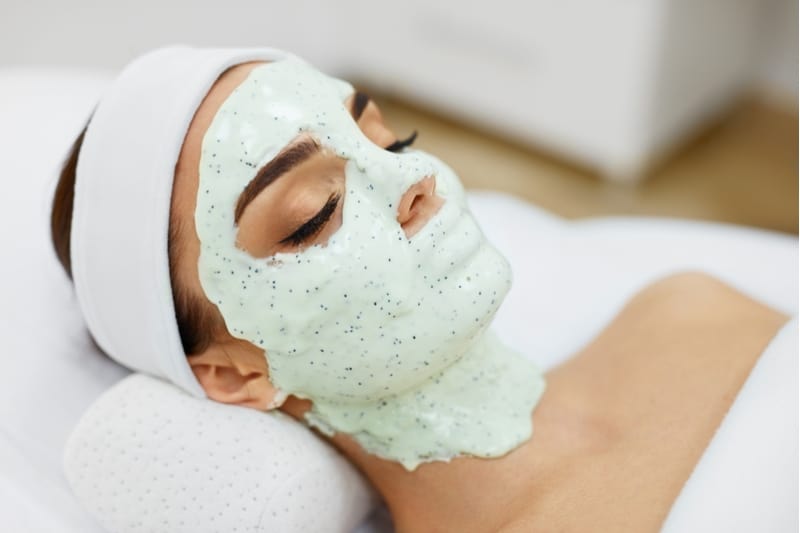
Apply the mask to your face immediately, as it hardens quickly and turns into a rubber-like sheet that conforms to your facial contours. Another perk: it doesn’t stick to eyebrow or eyelash hairs, and it requires no rinsing.
How to Apply the Alginate Mask
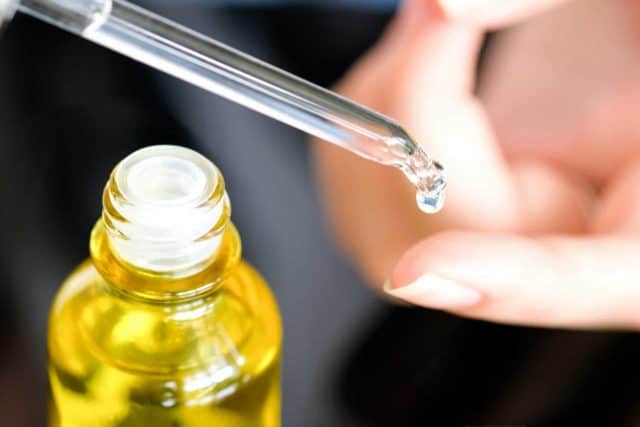
Start by thoroughly cleansing your skin to remove any makeup, dirt, and excess oil. For better results, you can do a light peel or scrub. Two to three minutes before applying the mask, it’s advisable to use a bio-activating serum, gel, or cream on your face.
Next, spread the freshly prepared mask in a thick layer (3–5 mm) using a plastic spatula, avoiding the eye and lip areas. Work quickly because the alginate mask sets fast—scientifically, this process is called plasticization. Then lie down in a comfortable horizontal position and relax for 20–25 minutes until the mask is fully set.
Once the time is up, gently lift the edges of the mask starting from your chin and peel it off in one piece from bottom to top. The alginate mask comes off easily and quickly. After removal, wipe your face with a toner or lotion, then apply a serum or moisturizer. Don’t skip this last step—any product used after an alginate mask becomes several times more effective.
How Often Should You Use an Alginate Mask at Home?
Choose an alginate mask based on your skin’s condition and the results you desire. Masks with alginate are recommended in courses, applied one to two times per week.
Who Is the Alginate Mask For?
One huge advantage of alginate masks is that they suit all skin types—normal, combination, dry, oily, and mature. An alginate-based mask will leave your skin smooth, boost its tone, reduce wrinkles and age spots, tighten pores, and deliver a rejuvenating effect.
Have you tried making alginate masks at home yet? If not, we highly recommend starting! Another bonus is their low cost, making them accessible to every woman.
READ Your Skin Will Say Thank You: 5 reasons to buy grape seed oil