This piece comes courtesy of Will Hatton, the adventurer behind The Broke Backpacker. A location-independent entrepreneur, he’s spent extensive time crisscrossing the Philippines. I’ve only visited the country once, and briefly at that, but its beauty left such an impression that I wanted to share more of it here. So I asked Will to pass along his know-how for traveling the archipelago without spending a fortune.
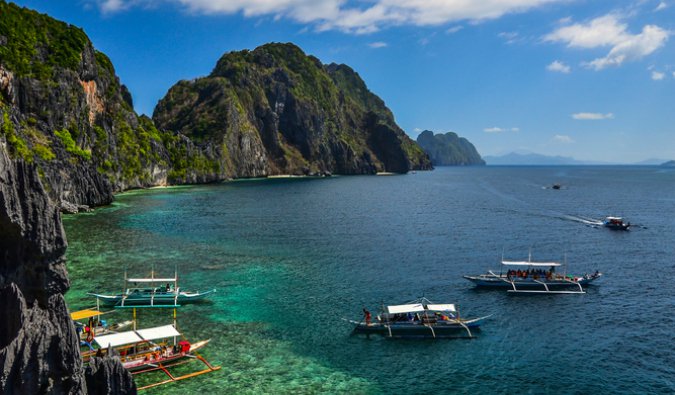
The Philippines stands as one of the planet's finest cheap travel havens, thanks to its powdery white beaches, hypnotic seas, stunning sunsets, warm locals, and laid-back island atmosphere.
I've been fortunate to explore the Philippines several times, spending nearly half a year uncovering this remarkable region. The nation offers everything — towering volcanoes, untouched coral reefs, dense rainforests, subterranean rivers, massive caverns, and some of the world's most captivating waterfalls. You can swim beside WWII wrecks, camp in the jungle, or venture deep into limestone cave networks.
And on top of all that, the Philippines is absurdly affordable!
Rum costs less than most sodas, and beloved Filipino dishes like lumpias (fried spring rolls), pancit (stir-fried noodles), or halo-halo (shaved ice with condensed milk, sweet kidney beans, coconut gel, and tapioca) often go for under a dollar. In many hostels, you can sleep in a hammock for less than five dollars a night — or for free if you just set up on the sand.
The Philippines is a place you can get by on as little as $20 USD per day if you're traveling on a broke-backpacker budget — and you can go even cheaper if you push it by hitchhiking and camping. Naturally, your spending can climb, especially if you choose beachfront resorts, dine at upscale restaurants, or book pricey excursions.
Here’s a look at typical costs for backpacking the Philippines in 2018:
- Dorm bed in a hostel: $5–7 USD per night
- Public ferry ride: $4–6 USD per ride
- Jeepney ride: 20–50 cents
- Street food: $1–3 USD
- Restaurant meals: $4–6 USD
- Long-distance bus: $8–10 USD
- Domestic flight: $40–70 USD
- Local beer: $1–2 USD
- 1.5L bottle of water: 75 cents
- Island-hopping: $14–25 USD
- Diving with whale sharks: $25 USD
Accommodation – Fancy backpacker hostels can be pricey in the Philippines, running up to $18 a night for a dorm bed. The good news is that plenty of budget digs exist once you leave Manila; for instance, dorm beds in Palawan start at just $5 nightly. Most hostels offer spotty Wi-Fi and air conditioning. Local guesthouses and beach shacks are even cheaper — you can sometimes snag a shack for only $2 a night.
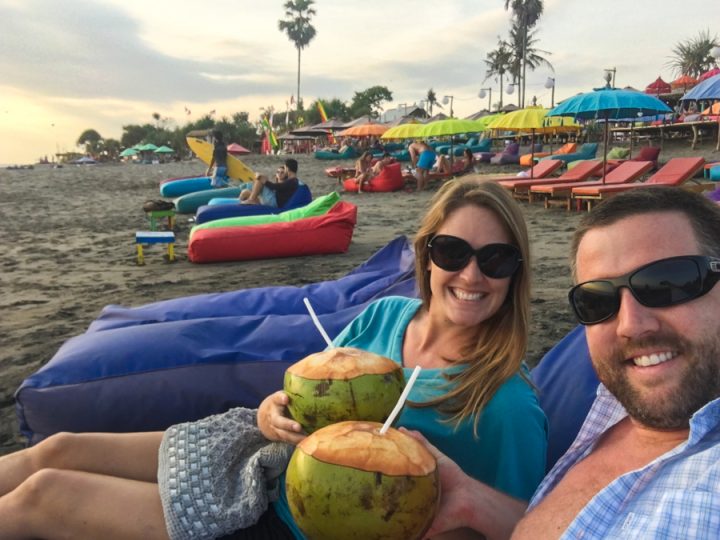
Food and drink – Street food can be as cheap as $1 for a plate of tasty mystery meat. If you eat at tourist-focused restaurants, prices rise, with meals costing between $5 and $20 in most places. In Manila and other upscale areas, food and drink expenses can add up fast, especially on a night out, so try to pregame (drink a few beers on the street) before hitting the town. A coconut for that inevitable hangover will set you back less than a dollar.
Transportation – Flights can eat into your budget quickly, so it’s wise to stick with ferries if you have more time than cash. Decent long-distance buses run across larger islands like Luzon, but eventually you’ll need a ferry — it’s the only way to reach many islands.
Activities – The Philippines is one of the cheapest places worldwide to learn diving; a dive can cost as little as $25 in some spots. Snorkeling is even cheaper — you can rent gear for $3–5 on many beaches.
How much you spend in the Philippines really depends on your travel style and destinations. Manila (especially) and Boracay are significantly pricier than other regions, and once you leave the tourist hubs, it’s relatively easy to live well on $35 a day.
$35 a day lets you stay in a decent shared room if you split costs with a buddy, or a comfortable dorm in a cool hostel if you’re solo. You’ll have enough left over for three solid meals a day, Uber rides, and a few beers in the evening.
You can go higher or lower depending on how cheap (or lavish) you get with accommodation, how much you drink, and how many Western meals you eat.
Exploring the Philippines Without Breaking the Bank
Cutting Costs in the Philippines
The country is already dirt cheap, but that doesn’t mean you can’t trim expenses even more without losing much comfort or local flavor.
Stay with locals – Couchsurfing is widely used in the Philippines and is a fantastic way to meet people and save on lodging. If Couchsurfing isn’t your thing, opt for locally run guesthouses — they’re often cheaper than hostels.
Watch for Air Asia sales – Air Asia is one of the cheapest airlines serving the Philippines and holds frequent sales where you can grab lower-than-normal fares. Sign up for their newsletter to stay informed and book all your internal flights during the next promotion.
Buddy up – Most of the best activities become much cheaper when you split costs with a group.
Hitchhike – Hitchhiking is fairly common in the Philippines and is a great way to meet people, have an adventure, and save money. It carries some risk everywhere, but I believe the Philippines is one of the safer countries for sticking out your thumb. The main danger is drunk drivers — if someone seems intoxicated, don’t get in. (Matt adds: I don’t know enough about the Philippines to say if this is also safe for women. Maybe someone with experience can chime in!)
Eat where locals eat – Tourist-trap restaurants are everywhere and expensive. Skip them and follow the locals — they know where to find the best value and tastiest food. I like asking hostel and guesthouse staff where they themselves eat; this leads to hole-in-the-wall spots with cheap prices aimed at Filipinos.
Camp – If you’re really pinching pennies, bring a tent. There are plenty of epic camping spots, and no one will mind. You can camp for free on many beaches, and some hostels will let you pitch in their garden if you buy drinks at their bar.
General Travel Tips for the Philippines
Skip Manila – Manila offers little besides traffic, scams, pollution, poverty, expensive hotels, and midget wrestling. Your time is better spent elsewhere.
Unfortunately, it’s hard to completely bypass Manila since most flights transit through it. But you can avoid scams during layovers. The main scams involve transportation between terminals and leaving the airport.
If you arrive at one terminal but depart from another, use the free shuttle bus that runs around the airport.
There are no metered taxis in the arrivals area — only private transfers. This is where many travelers get ripped off, jumping into a car without considering the exchange rate and true cost. It’s the Philippines, so it must be cheap, right? Wrong. When I first landed, I almost paid $50 USD for a private transfer to my hostel in downtown Manila! Luckily, I knew the exchange rate and how absurd that was, so I refused and caught a metered taxi instead.
To get downtown, take a public metered taxi from the departure level. The lines are usually long but move fast because Manila has tons of cabs. Just factor in peak-hour traffic. Manila is one of the world’s most congested cities; a ten-minute ride can stretch to two hours. So avoid the crazy rush from 5pm to 10pm and plan accordingly.
Expect flight delays – I took about seven domestic flights, and not one was on time. Weather can be unpredictable, especially during typhoon season. Anticipate delays, cancellations, or postponements from May to October.
Bring sunscreen – Sunscreen costs three times more in the Philippines because locals don’t use it, so tourists pay through the nose for protection.
“What do you mean the ATM is out of money?” – That was my exact reaction when I arrived in El Nido with no cash and couldn’t withdraw. I had to wait two days for the machine to be refilled, and the line was enormous! Apparently, it’s normal for the only ATM in this popular tourist town to run dry. The lesson: always carry spare USD or PHP in case ATMs are empty or you visit a small town like Port Barton, which has no ATMs.
Limited Wi-Fi – Wi-Fi in the Philippines is like finding a needle in a haystack. Your chances are slim, especially in the rain. If you need the internet, the Philippines will be a nice break from the online world. What connection exists is slow and unreliable. In remote areas, don’t expect any connectivity. Your best bet is to buy pocket Wi-Fi — Globe was the best provider I found.
Escape the tourist crowds – For an authentic Philippine experience, venture away from the typical backpacker hubs. Hotspots like Boracay and El Nido are incredible, but less touristy places like Sagada, Port Barton, and Siargao offer a genuine glimpse of Filipino culture, traditions, and daily life.
Use Uber – Uber has arrived in the Philippines and is much cheaper than taxis for getting around cities! Generally, an Uber costs 30% less than a cab.
Bring a portable battery – When you leave tourist hotspots and major population centers, reliable electricity can be scarce. If you’re hiking in Sagada or Kalinga, a portable battery charger is well worth bringing to keep your phone and camera powered.
The Philippines remains one of Southeast Asia’s best-kept secrets, and many backpackers never make it here. My time in the country was unforgettable — I met amazing people, received a Kalinga tattoo from a living legend, and had my first real snorkeling experience. I hope to return to this epic land soon, setting sail with plenty of rum to explore isolated islands by boat. The Philippines is my favorite country in all of Southeast Asia. Get there before the secret gets out and the backpacker hordes descend!
Will — adventurer, vagabond, entrepreneur, and hustler — has been backpacking the world for a decade and loves exploring truly wild places. He spends a good chunk of time in Pakistan leading adventure tours; the rest he’s on the road or living in Thailand with his wife. He blogs about budget travel and online entrepreneurship at The Broke Backpacker and enjoys a cheeky smoke, a good book, and a perfect sunset to end the day.
This article originally appeared on Nomadic Matt’s Travel Site.