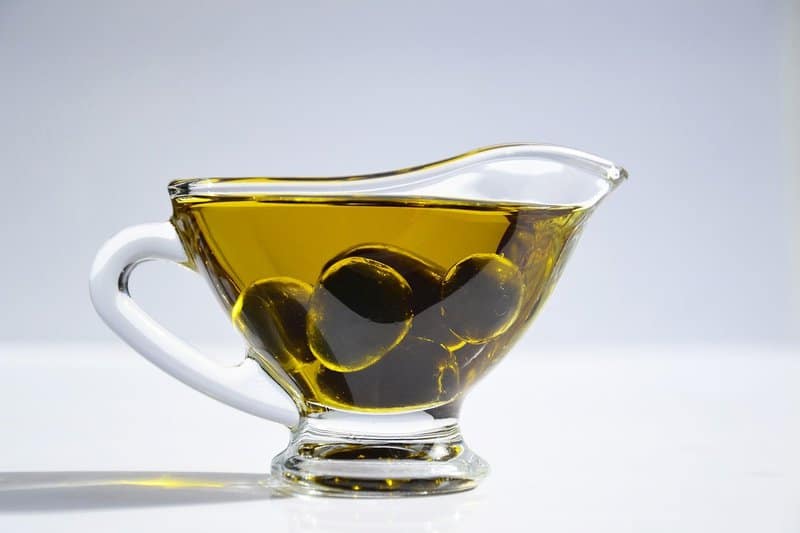
Articles circulating in magazines and across the web insist that every facial, neck, and body moisturizer is nothing but a scam. The actual performance, they argue, is negligible — just eye-catching packaging stuffed with questionable ingredients. According to this narrative, a bottle of quality olive oil is all you need to radiate youth and beauty within a week.
What Olive Oil Actually Offers Your Skin
Plant-based oils, olive oil included, certainly have their merits in personal care routines. They contain unsaturated fatty acids that benefit virtually every skin type. When the epidermis is deficient in oleic or linoleic acid, for instance, topical olive oil can deliver noticeable improvement — the complexion looks refreshed, more even-toned, and velvety soft. Yet this only holds up to a point. People often assume that because the initial response is positive, the benefits will compound indefinitely, producing ever-greater enhancements in dermal health.
Where Olive Oil Falls Short
This is where unexpected drawbacks surface — ones most users never anticipate. Continuous application of olive oil gradually strips the skin of its elasticity, leaving it parched. The explanation lies in how surplus oleic and linoleic acids disrupt the lipid matrix of the stratum corneum. The result: tightness, dehydration, and a compromised barrier.
How Commercial Creams Handle the Same Ingredients
Most cosmetic moisturizers are built on oils, but they include additional components that prevent the lipid equilibrium of the skin from being thrown off. Through emulsification, the oil reaches the deeper dermal layers, where it provides hydration, nourishment, and restorative benefits.
So if nothing else is within reach, olive oil can serve as a reasonable temporary fix. It should not, however, become a permanent solution. The smarter substitute is a thoughtfully formulated cosmetic, particularly one your aesthetician has endorsed.
Examining the Olive Oil Myth
What fuels the reputation of olive oil as a miracle cure for aging skin — a myth at its core? The reason is that plenty of nuanced questions have clear, concrete answers. Which skin types benefit from pure olive oil, under what circumstances, and which do not? Oils perform optimally when combined with fat-soluble compounds — precisely the formulation found inside cream jars.
Multiple practitioners have repeatedly demonstrated that oily complexions frequently respond poorly to oil-based treatments. Reactions can include irritation, inflammation, and blocked pores. Dry skin tolerates olive oil more favorably, though again only intermittently. One might ask: where is the harm? After all, an oil film should lock in moisture and keep the skin hydrated. Yet hidden processes soon kick in that most people overlook. Internal water exchange decelerates — moisture stops migrating upward from the deeper layers. Paradoxically, this is how oil ends up dehydrating the skin.
The Importance of Exfoliation
So what should devotees of all-natural skincare do? Regular exfoliation is essential. This explains why nations with deep-rooted traditions of heavy oil use — such as Turkey — embrace hammam baths centered around scrubbing rituals. The procedure leaves skin silky and refined, maximizing the benefits oil can deliver. Apply oil to neglected skin, however, and it will soak into accumulated dead cells, forming a barrier that plugs pores, restricts oxygen flow, triggers breakouts, and dulls the complexion. This principle extends beyond facial and neck care to the entire body.
Additional guidance from aesthetic professionals: olive oil works best when applied at night, in an ultra-thin layer, and only onto thoroughly hydrated skin. Any residue should be blotted away. Ideally, application occurs 40–50 minutes before sleep. As a body treatment, olive oil is more appropriate than as a facial one — provided exfoliation is performed at least twice per week.
If olive oil genuinely performed like commercial creams, the cosmetics industry would have long pivoted its strategy. Instead of sleek jars lining store shelves, we'd see alluring bottles of golden oil. With such extraordinary rejuvenating and healing powers, consumers would reach exclusively for olive oil — never those supposedly useless creams.