Probiotics and prebiotics serve distinct roles in gut health. Before you click "add to cart" on that expensive jar, here’s what you need to understand.
Exploring Probiotics: Their Role and Mechanism
The Unseen Allies: Probiotics and Prebiotics
Probiotics consist of live microorganisms—mostly bacteria—that marketing claims suggest are extremely beneficial for your health. Indeed, they help colonize the intestines with friendly flora, and the balance of this flora directly influences immune function. Which probiotic is superior, how should beginners approach them, and are supplements even necessary? Here’s expert guidance.
Probiotics fall into two main categories: lactobacilli and bifidobacteria. These form the basis of oral medications and dietary supplements. You can also obtain probiotics from fermented or unpasteurized foods such as yogurt, kefir, sauerkraut, and cheese. While probiotics aren’t a miracle cure, they shouldn’t be dismissed; at certain times the body genuinely needs their support.
Fermented Foods as a Natural Probiotic Source
New York–based nutritionist Gina Kitley confirms that probiotics truly assist the body. “They help stabilize the protective barrier in the intestines, preventing harmful bacteria from adhering to the intestinal walls. In doing so, probiotics crowd out and suppress pathogenic microbes while stimulating immune responses. They also aid in producing vitamin K2, which is vital for maintaining healthy bones and joints.”
Sonia Angelone, a nutritionist and spokesperson for the American Academy of Nutrition and Dietetics, adds that probiotics can lower cholesterol, reduce the frequency of colds, and help normalize vaginal flora.
Understanding Prebiotics and Their Significance
The term “prebiotics” frequently appears alongside probiotics, and the two are indeed interconnected. “Prebiotics are complex carbohydrates that we cannot digest, but that serve as fuel for bacteria—including probiotics—in the gut. Essentially, prebiotics are food for probiotics,” explains Kitley. You’ll find them in asparagus, bananas, garlic, and onions.
Are Probiotic Supplements Necessary?
A.
“You can get probiotics from food, so supplementation isn’t mandatory,” says Gina Kitley. “Personally, I favor food sources. However, there are situations where the body truly needs an external boost.” One such scenario is antibiotic use. “Colonizing the gut with beneficial bacteria helps alleviate diarrhea and constipation that can follow antibiotic treatment,” Kitley notes.
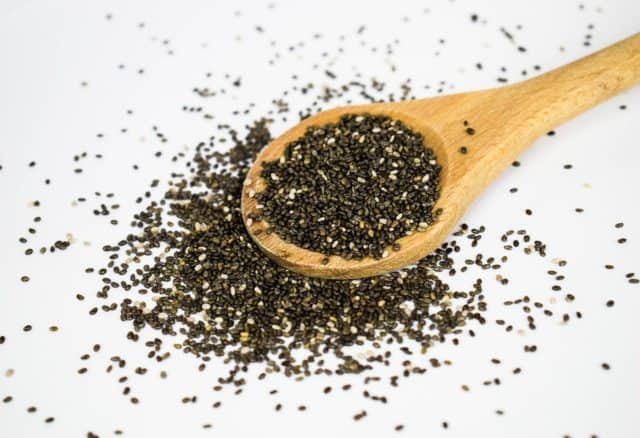
DON’T MISS: CHIA SEED PUDDING, PANCAKES, AND SALMON—DELICIOUS RECIPES TO TRY
Key Factors When Choosing Probiotic Supplements
“If you’re unsure which specific probiotic strain your body needs, look for a broad-spectrum product containing a mix of different bacterial strains,” advises nutritionist Bet Warren, author of Living Real Life with Real Food. “Your gut houses billions of bacteria, so taking a variety of strains ensures you neither overdo one type nor neglect another.”
Gina Kitley also emphasizes the importance of selecting supplements with diverse bacterial strains to prevent any single species from dominating. “Focusing on just one strain can actually weaken other beneficial species,” she warns.
When picking a probiotic supplement, experts recommend paying attention to CFU (colony-forming units), which indicates the number of live, active bacteria per capsule or tablet. A higher CFU generally means greater effectiveness. Aim for supplements with at least 15 billion CFU.