A fresh eating-style trend out of South Korea has captured global attention almost overnight: the skincare diet. It has zero connection to cutting back on carbs, sugar, or gluten, and food plays no role whatsoever. Instead, this beauty regimen encourages tossing out an elaborate multi-step routine in favor of a stripped-down plan built around just a handful of products. The actual practice comes down to a cleanser paired with a moisturizer, and neither contains active ingredients.
Why Elaborate Routines Often Underdeliver
Layering countless cosmetic products year after year tends to backfire. Rather than improving the complexion, a labyrinth of steps frequently triggers redness, heightened reactivity, and in some instances dermatitis.
Minimalist skincare routine
photo: depositphotos.com
The supposed perks of complex regimens turned out to be little more than marketing fiction, designed to push endless shelves of merchandise. The diet itself follows straightforward logic: strip away the excess and get by with the bare minimum.
Here are the main drawbacks people associate with multi-stage regimens:
- Steep price tag. Upfront, you may need to buy 10-20 different facial products. 2) Time drain. A realistic schedule rarely accommodates so many applications. 3) Cluttered counters. That mountain of products gobbles up storage space. 4) Heavy effort. Sticking to a daily ritual demands significant energy and minutes. 5) Daily overload of products can worsen the very issues being treated and spark entirely new ones.
Dermatology professionals have welcomed the shift, since they routinely treat fallout from overcomplicated routines. Years of applying diverse formulas had left many patients battling extreme sensitivity, breakouts, and rosacea.
Heightened skin sensitivity, breakouts, and rosacea
photo: depositphotos.com
The word "diet" fits perfectly here because it mirrors the idea of clearing the face from the damage inflicted by an avalanche of products. Some formulas simply aren't doing anything for the skin itself :).
The appeal of going minimal struck a chord with countless people. After all, it saves serious cash while preserving the skin's authentic appearance.
When a Skincare Diet Makes Sense
Anyone curious can adopt a skincare diet on their own terms.
Specialists typically point to the following situations as good candidates for a detox:
- The skin feels irritated and itchy. 2) Redness has emerged after piling on multiple cosmetics. 3) The complexion looks generally fine, yet breakouts appeared after using certain formulas. 4) An elaborate 10-stage regimen and sophisticated formulas delivered poor results.
Before getting started, it pays to honestly evaluate the skin's current state. Watch how the complexion responds each time a particular product is applied.
Once the decision to switch is made, a few guidelines should be kept in mind:
A solid routine breaks down into these stages: 1) Washing with a soft, non-stripping formula. 2) Applying a moisturizer chosen for the specific skin type. 3) Daily sunscreen application.
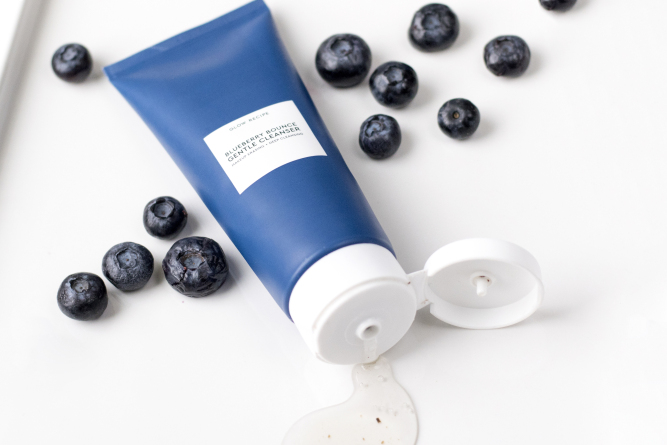
Cleansing sits at the heart of any worthwhile routine. The chosen product should feature a mild ingredient list free of harsh elements. Plant-based cosmetics are worth exploring.
Plant-based beauty items
While following a skin diet, oils, masks, serums, and tonics should be introduced sparingly, in brief cycles. Genuine need must drive each addition; otherwise, leave the product on the shelf.
Once the right beauty diet is in motion, the complexion gradually evens out, blemishes calm down, and that unwanted oily sheen fades.
The guiding principle behind this approach is that relentless exposure to active formulations gradually shuts down the skin's built-in repair mechanisms. Bombarding cells with serums undermines the natural defenses and hydration systems. A targeted diet grants the skin a much-needed breather from constant stimulation.
For cellular metabolism to run smoothly, ample water intake is essential. Well-hydrated skin stays calmer and resists inflammation. Falling short on moisture saps firmness and elasticity.
Putting the Diet Into Practice
A sensible starting point is a one-week trial. During that stretch, every cosmetic gets shelved, starting with treatment products. The goal is to slash how many layers sit on the skin's surface. This matters even more at night, when the body shifts into repair mode.
A skincare diet calls for skipping the following items:
- Rich nourishing creams.
- Daytime creams with SPF filters.
- Primers.
- Foundation creams.
- Harsh, multi-ingredient cleansers.
Throughout the trial week, the routine should revolve around thorough cleansing plus a lightweight moisturizer. If the skin tolerates it, skip the moisturizer entirely after dark. Before hitting the pillow, wash off any grime and makeup, sweep the face with a basic toner, and apply nothing further. Should tightness or dryness show up, a thin layer of a gentle cream will ease the discomfort.
A skincare diet unfolds across these stages:
Pick a suitable week to begin. The day before kicking off, apply a deeply hydrating mask. While the diet runs, drink 1.5-2 liters of plain water daily. That volume keeps the skin optimally hydrated despite the product cutback. Schedule daily cardio sessions or at minimum a brisk walk; either boosts circulation and feeds the cells.
That week-long break gives the skin space to unwind. Once products resume, the active compounds in serums and masks deliver stronger results.
Aim to repeat a skincare diet at least 2-3 times annually.
Impressive outcomes from a skincare diet
Plenty of people ditch multi-stage regimens even outside the diet window. They reach for cosmetics only when truly needed, sticking day-to-day to just the essentials a healthy complexion requires. Mornings and evenings bring cleansing and moisturizing, while sun protection enters the picture during daylight hours. On top of that, the modern skincare diet frees up time and trims spending.
What does your daily lineup of facial essentials look like? Drop your list in the comments! Stay connected with "GoSeekNest" on Pinterest!
featured image on unsplash.com