Italian desserts are serious business. Many are linked to religious festivities—Easter, Carnival, saints' days—giving you a cultural excuse to indulge. Some have become so iconic they receive protected geographical status, meaning they must be produced in specific regions under strict standards. So while in Italy, look beyond gelato and seek out melt-in-your-mouth chocolate cake and an array of fried sweets.
Sicilian Cannoli: A Classic Fried Pastry
Photo credit: Brent Hofacker/Shutterstock
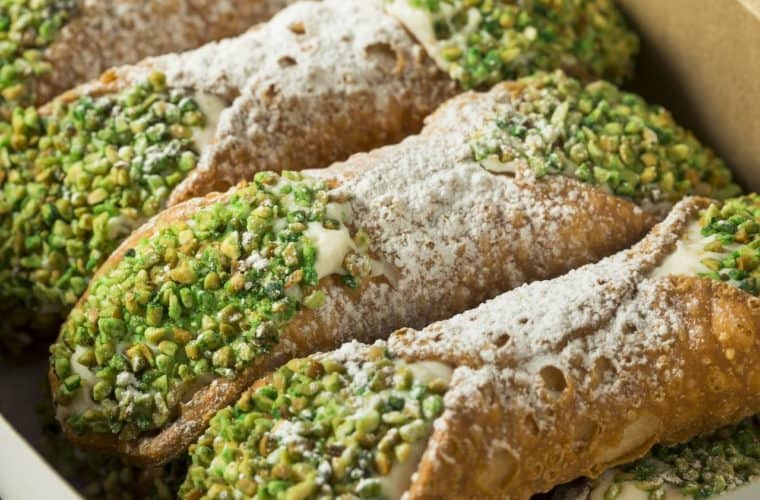
Cannoli are created by frying pastry dough into a tube shape, then filling it with sweet ricotta cream. The ends get dipped in pistachio crumbs, chocolate chips, or adorned with candied fruit. This Sicilian specialty has spread across Italy, but the finest versions are still found in Sicily. Bakeries and cafés across the island sell them for about 2–3 EUR each.
Sfogliatelle: Naples' Flaky Shell Pastry
Image: Valentino Cazzanti/Shutterstock
Wandering through central Naples, you'll spot tiny shops offering sfogliatelle. These pastries are roughly palm-sized and shaped like a shell—sometimes called a 'lobster tail' in America. While shortcrust pastry is an option, the flaky version gives them their signature look of many wafer-thin layers (sfogliatella means thin leaf or layer). They're typically filled with ricotta, candied citrus peel, and semolina. At just 1–2 EUR each, they make an ideal breakfast treat, especially when fresh from the oven.
Chiacchiere: Carnival's Irresistible Fried Dough
Photograph: NoiChocolate/Shutterstock
Carnival in Italy is a time of indulgence before Lent's fasting period, so dessert production skyrockets. The whole of Venice seems to smell of powdered sugar. One of the most common Carnival sweets is chiacchiere. The dough contains alcohol, is rolled thin, cut into squares, deep-fried, and heavily dusted with icing sugar. They're crunchy, airy, and highly addictive—fortunately sold in large trays by the kilo. Names vary across Italy; in Venice during Carnival, ask for "crostoli." Prices range from 15 to 30 EUR per kilo, sometimes more, but if you befriend a Venetian family, you'll likely get free trays of homemade ones.
Cantucci Biscuits and Vin Santo: A Tuscan Tradition
Credit: YRABOTA/Shutterstock
No Tuscan meal feels complete without crunchy cantucci biscuits and a glass of sweet Vin Santo. These biscuits usually contain almond pieces, though flavors range from mint chocolate to orange or cardamom. They're deliberately very dry so you can dip them into the sweet Vin Santo until they soften and soak up the wine. In restaurants, a plate of several cantucci with a glass of wine costs around 5–6 EUR. Alternatively, bakeries and supermarkets sell 200g packets for 2–5 EUR depending on quality—perfect for dipping into your morning cappuccino.
Zeppole: St. Joseph's Day Treats
Photo: Rocco d’errico/Shutterstock
In many Italian regions, zeppole are traditionally made for St. Joseph's Day (also Father's Day in Italy), earning the name zeppole di San Giuseppe. The dough is shaped into balls, fried or baked, then topped with a swirl of crème pâtissière and a glacé cherry. This dessert comes guilt-free—after all, you have to celebrate St. Joseph! Found throughout Naples in pasticcerie (pastry shops), they cost about 2–3 EUR each.
Frittelle di Mele: Apple Fritters from Christmas Markets
Image: Nelea33/Shutterstock
Christmas markets draw big crowds in northern Italy, especially in Trentino Alto-Adige. The crisp winter air is often filled with the aroma of fried sweets, like frittelle di mele. The recipe is straightforward: thin circular apple slices coated in batter and deep-fried. To warm cold hands and feet while browsing the markets, nothing beats a steaming mug of mulled wine and a paper cone of frittelle di mele, fried to order so you eat them hot. Market prices vary widely, from about 15 to 30 EUR per kilo.
Torta della Nonna: Grandma's Comfort Cake
Photograph: Francesca2011 and Elena Demyanko, Shutterstock
Any respectable Italian restaurant lists torta della nonna on the dessert menu. "Torta della nonna" means "grandma's cake," so you know it's real comfort food. It features a shortcrust pastry shell filled with crème pâtissière, topped with pine nuts and icing sugar. Originally from Tuscany, it's now found nationwide. A generous slice, often served with cream or ice cream, typically costs around 5 EUR in restaurants.
Tenerina: Ferrara's Chocolatey Delight
Photo: Ckp1001/Shutterstock
La tenerina, a dessert from Ferrara, sits somewhere between a cake and a mousse, with a soft, squidgy center and a crispy exterior. The recipe is pleasingly simple: dark chocolate, butter, eggs, sugar, and a little flour. It's usually served as a restaurant dessert, often warm with cream or vanilla ice cream for extra luxury. Expect to pay about 5 EUR on a dessert menu.
Crema Fritta: Fried Cream Indulgence
If anyone starts smugly praising the Mediterranean diet, remind them of crema fritta—fried cream. Unsurprisingly, this is another Carnival calorie bomb, originating in Veneto. Crème pâtissière is allowed to solidify, cut into squares, coated in breadcrumbs, and fried. In Veneto, it's eaten as a dessert, but elsewhere in Italy it's oddly paired with savory fried snacks like olive ascolane, vegetables, and meat. From a street stall, you'll usually pay about 5 EUR for 8–10 pieces.