The NFL is a fundamental part of American sports and culture, drawing millions of viewers each season. Its matchups go beyond mere athletic competitions—they are contemporary events that mirror social changes and foster deep devotion among supporters. Studying the league's past offers crucial understanding of how professional football developed, showing its transformation from modest origins into a multibillion-dollar industry.
This piece guides you through the league's early years, key growth periods, and its incredible evolution into the modern football giant. Examining the NFL's history allows you to better understand its significant influence on American society. For additional background, check out the Pro Football Hall of Fame's NFL Story.
The NFL's Founding Roots
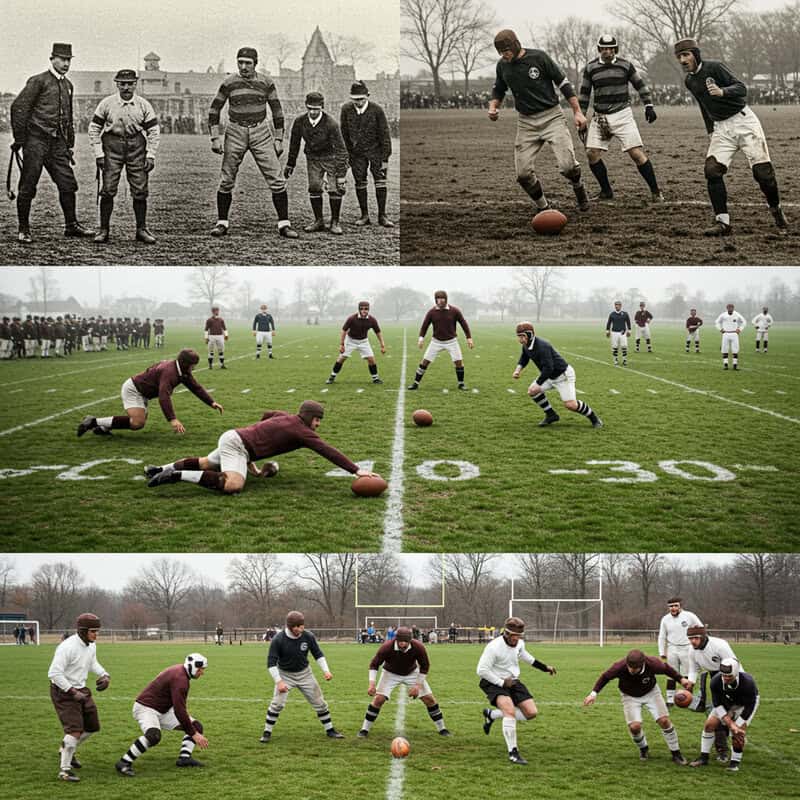
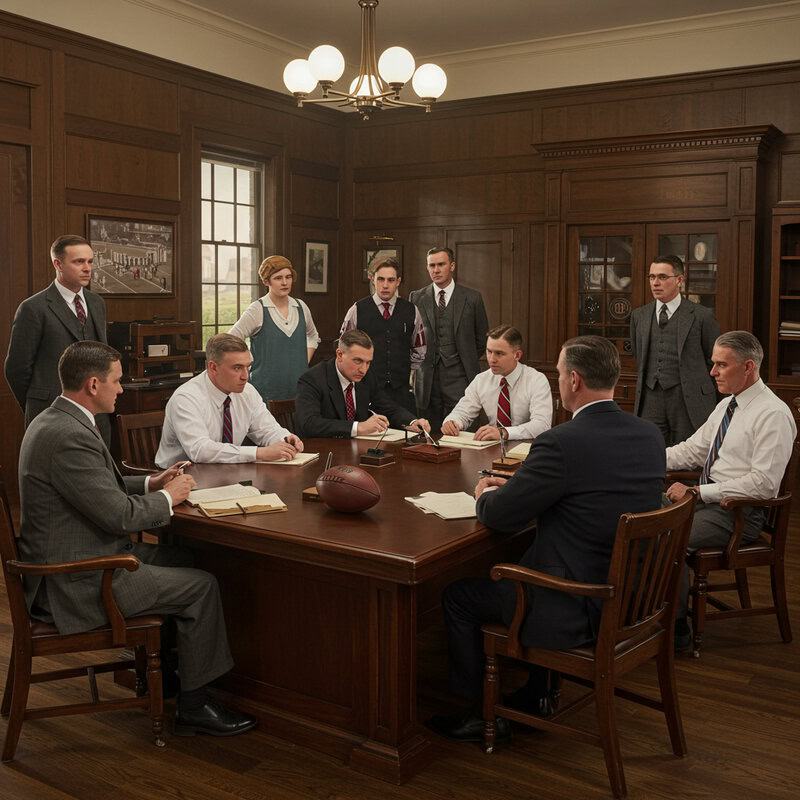
Early NFL players in vintage uniforms, embodying the 1920s APFA era. | Generated by Google Gemini
The NFL originated in 1920 as the American Professional Football Association (APFA), established in Canton, Ohio by delegates from various independent teams. The organization sought to unify regulations, control escalating player wages, and bring credibility to the growing professional football scene. The APFA emerged as a solution to the disorderly nature of early football, characterized by frequent player poaching and irregular game schedules.
In 1922, the league changed its name to the National Football League, establishing the framework that still exists. Grasping these beginnings offers important background for the NFL's management approach and lasting steadiness. Explore more about this key event at the History Channel's article on the NFL's creation.
Renaming and Early Expansion
The 1920s NFL logo behind players celebrating the inaugural championship. | Generated by Google Gemini
In 1922, the league formally became the National Football League (NFL), cementing its brand and ambitions. The early period featured gradual growth with some teams joining and others disbanding, creating a competitive environment. The NFL held its initial championship contest in 1933, an achievement that drew nationwide notice and added credibility to the sport.
Key individuals like George Halas and Tim Mara were instrumental in steering the league during its early development. These basic moves—defining a distinct identity, encouraging competition, and creating a championship—were crucial in setting the stage for the NFL's lasting appeal and subsequent expansion.
Navigating the Great Depression and WWII
The NFL endured the Great Depression and WWII by adjusting to financial strain and roster gaps. | Generated by Google Gemini
The NFL encountered major challenges during the 1930s Great Depression, as economic troubles caused falling attendance and monetary struggles for numerous teams. Several franchises either closed or combined to stay afloat. World War II brought additional hardships, as many players enlisted, leaving rosters thin and forcing some teams to suspend operations or merge temporarily.
Despite these obstacles, the NFL showed impressive toughness by modifying its operations and regulations to keep games competitive. These difficulties eventually spurred creativity and solidarity, establishing a base for enduring stability. For further details on the NFL's survival during these periods, see the Pro Football Hall of Fame's page on the Great Depression and WWII.
Postwar Growth and Racial Integration
A retro-style image shows a multicultural group of football players on a sunny field, representing the NFL's postwar integration. | Generated by Google Gemini
After World War II, the NFL saw a dramatic rise in popularity, fueled by a booming U.S. economy and a fresh excitement for athletics. A landmark event occurred in 1946 when the league brought back African American players, especially Kenny Washington and Woody Strode, ending a long period of segregation and increasing diversity.
The arrival of TV broadcasts in the 1950s greatly expanded the NFL's audience, enabling millions to view games at home and accelerating its rise as a national entertainment staple. These groundbreaking shifts not only widened the league's supporter base but also paved the way for its transformation into a contemporary sports giant.
The NFL vs. AFL Competition and Union
The iconic AFL logo, representing the landmark NFL-AFL merger that resulted in Super Bowl I. | Generated by Google Gemini
The inception of the American Football League (AFL) in 1960 sparked intense rivalry with the NFL, as the two leagues competed for elite players, audiences, and broadcast deals. This contention raised the sport's visibility and drove up player pay. In 1967, the leagues arranged a championship match, which evolved into the legendary Super Bowl.
The crucial AFL-NFL merger was completed in 1970, bringing the leagues together under the NFL name and forming the current two-conference structure (AFC and NFC). This consolidation not only steadied professional football but also set the stage for the NFL's ongoing growth and supremacy in U.S. sports.
Franchise Growth and New Teams
Colorful new NFL team logos displayed on banners while builders work on a modern stadium behind. | Generated by Google Gemini
In the years after the AFL-NFL merger, the league undertook a bold expansion, adding new teams in various U.S. cities. The Seattle Seahawks and Tampa Bay Buccaneers entered in the 1970s, with the Carolina Panthers and Jacksonville Jaguars joining later in the 1990s.
Expansion drafts enabled these new clubs to assemble competitive squads, enhancing league balance and supporter involvement. By entering fresh markets and developing varied fan communities, the NFL cemented its position as a genuinely nationwide league. For more on team histories, visit the Pro Football Hall of Fame Teams page.
The Emergence of the Super Bowl Era
A spectacular Super Bowl halftime show, with champions displaying their rings in front of a packed, cheering stadium. | Generated by Google Gemini
The Super Bowl has become one of America's most important cultural events, drawing tens of millions of viewers each year. Its past features legendary matchups—like the New York Jets' surprise victory in Super Bowl III—and memorable instances such as iconic halftime shows and innovative advertisements.
The combination of athletics, entertainment, and commercials makes the Super Bowl essential viewing for both football enthusiasts and casual viewers. The game's enormous appeal has not only produced unprecedented TV viewership but also solidified the NFL's role in American culture. For more on the event's history and influence, see Sporting News's Super Bowl History.
Rule Adjustments and Athlete Protection
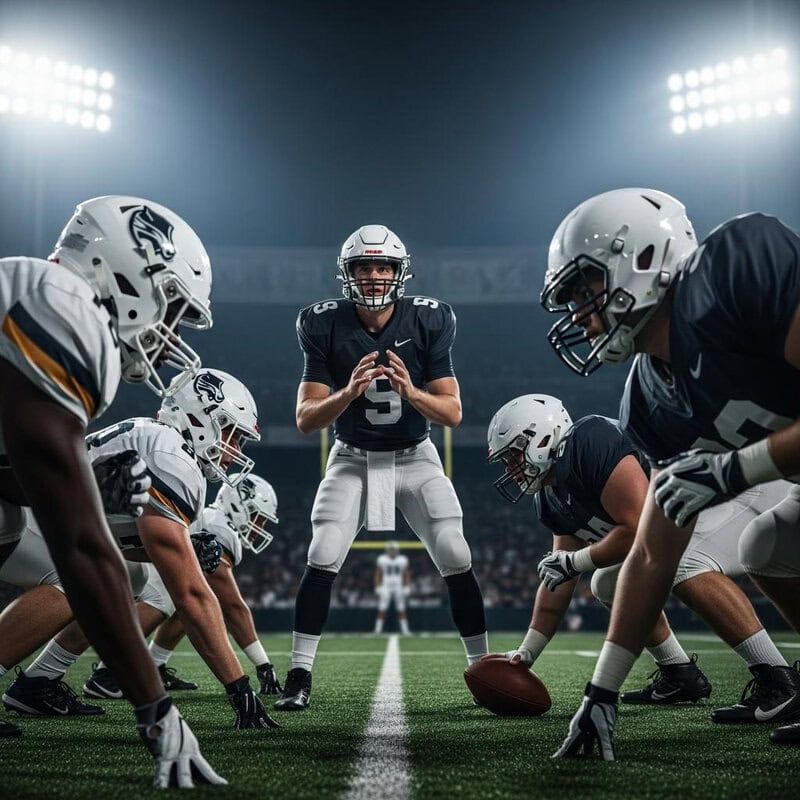
NFL rule modifications emphasize player safety, fairness, and excitement, influencing the sport's modern development. | Generated by Google Gemini
Over its history, the NFL has introduced major rule changes aimed at improving fairness, entertainment, and above all, player safety. Developments like the forward pass, overtime regulations, and instant replay have influenced the way football is conducted and watched. In recent years, the league has focused on athlete well-being by revising rules concerning helmet-to-helmet hits, targeting, and concussion procedures.
These changes seek to lower severe injuries and respond to increasing health worries among athletes. The NFL keeps evolving, striking a balance between tradition and the demand for a safer, quicker game. For additional information on the league's changing rules and safety efforts, see the NFL Operations Rulebook and CDC's page on NFL & Player Safety.
Technology and Media's Impact
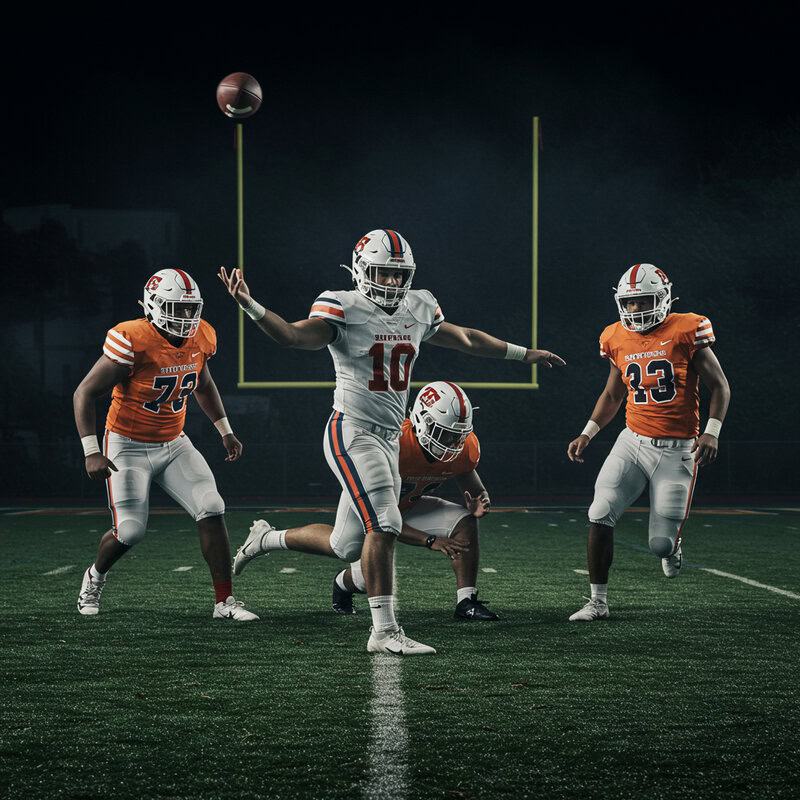
The NFL's creative use of media and technology boosts fan interaction and drives league expansion. | Generated by Google Gemini
The NFL's collaboration with technology and media has been a key factor in its rapid popularity. The league's early adoption of TV broadcasts in the 1950s transformed the fan experience, and massive television deals spurred financial growth. Advances such as instant replay boosted officiating precision and increased audience participation.
In the digital era, online streaming and social media allow fans to connect with teams and players all year, broadening the NFL's worldwide footprint. These tech innovations have reshaped fan engagement, making the league more reachable and vibrant than ever. For further reading, see the NFL's Media Evolution page.
Step 10: The NFL in Contemporary Times
NFL players and supporters come together abroad for a community gathering, celebrating the sport's international appeal and current ethos. | Generated by Google Gemini
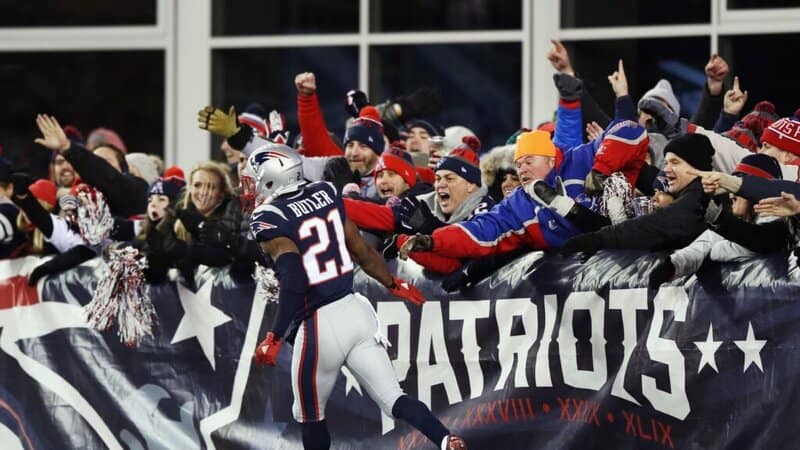
Currently, the NFL is a worldwide sports giant, with 32 teams and a growing international footprint via games in London, Mexico City, and other locations. The league actively encourages diversity and inclusion through programs designed to boost representation in coaching and management positions.
In recent times, the NFL has tackled social matters, backing causes like racial justice and mental health awareness. Despite its vast appeal, the league continues to encounter challenges, such as player safety issues and adjusting to changing audience demographics. For further information on the NFL's current programs and global growth, see NFL International and NFL Inspire Change.
The NFL's Enduring Legacy
Following the NFL's path from modest beginnings to a worldwide icon of sports and culture. | Generated by Google Gemini
The NFL's transformation from a minor 1920s organization into a worldwide sports emblem demonstrates its flexibility, toughness, and cultural significance. Through key achievements—including integration, growth, and technological progress—the league has consistently influenced and mirrored American life.
Its lasting attraction comes from exciting contests, deep-rooted customs, and an expanding, varied audience. Studying the NFL's past enhances understanding of the game and its importance. For further detailed stories and materials, check out the Pro Football Hall of Fame's Football History and the NFL History portal.