People often go to great lengths for lustrous, healthy hair—buying every advertised product and following advice from self-proclaimed experts. In this piece from GoSeekNest magazine, we uncover the most widespread hair care myths and reveal the facts behind them.
Myth 1: Frequent Trims Accelerate Hair Growth
Image: depositphotos.com
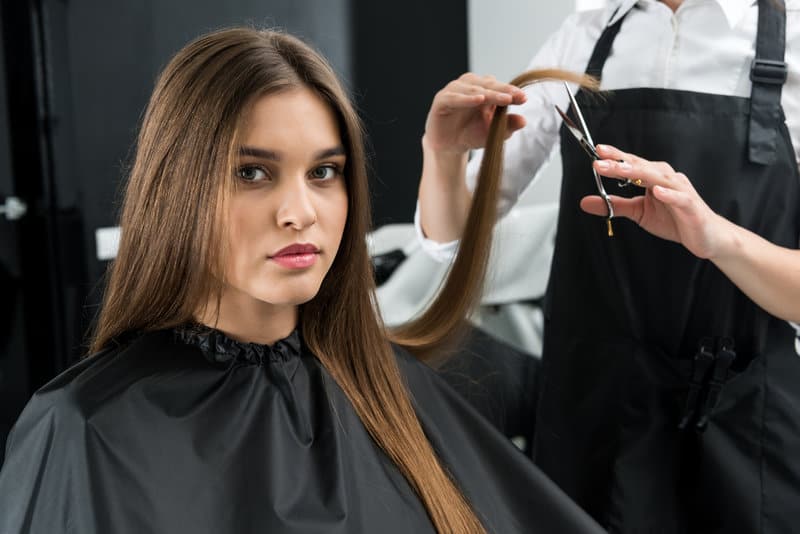
Fact: Cutting your hair only changes its style, not its growth rate. Hair grows from the follicles at the scalp, not the tips. On average, hair lengthens by about 1 centimeter per month. If you trim it every month, the overall length stays the same—or even becomes shorter.
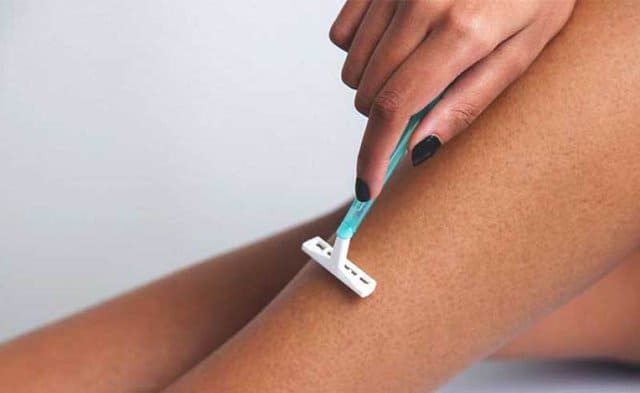
A common belief is that shaving the head makes regrowth thicker. This is false because the number of hair follicles is determined genetically.
Myth 2: Hair Dryers Damage Hair; Air Drying Is Better
Fact: For people with short cuts, air drying works fine—hair dries in minutes. But for long hair, using a hairdryer is actually better. When washing, water molecules enter the hair shaft, causing it to swell and the outer protective layer to open fully. This can leave strands dry and brittle. If you don't dry long hair promptly, cracks may form on that protective layer, so drying immediately after washing is recommended.
Myth 3: You Shouldn’t Stick to One Shampoo Brand
Image: depositphotos.com
Fact: Despite how widespread this idea is, there’s no scientific evidence to support it. Hair and nails are composed of dead tissue that cannot become “addicted” to specific ingredients. If your hair gets oily quickly or grows slowly, the shampoo brand isn’t the cause—many other factors are at play. Buying a particular brand won’t create dependency.
Myth 4: Dandruff Comes from a Dry Scalp
Fact: The opposite is true. Dandruff typically occurs when the scalp is prone to oiliness. Using hair oil won’t cure seborrhea; in fact, it can worsen the condition. It’s better to avoid oil-based products.
Myth 5: Frequent Brushing Makes Hair Healthier
Image: depositphotos.com
Fact: This myth dates back to times when combing substituted for washing, and hygiene was poor. Brushing too often spreads sebum, making hair dirtier faster. Constant combing doesn’t improve health—it can actually cause brittleness and split ends. Brush only when necessary; that way less oil spreads, giving curls shine without a greasy look.
Stimulating blood flow to the scalp is beneficial—it delivers more oxygen and nutrients to follicles, supporting growth. But instead of using an expensive brush, gentle fingertip massage is better.
Overly vigorous combing damages and breaks healthy hair, and can pull out bulbs that take a long time to regrow. Always brush gently, starting at the ends, and avoid sudden movements.
Myth 6: Hair Thickness Depends on How You Care for It
Fact: This is a marketing trick. Hair thickness and follicle count are determined by heredity. No shampoo with a catchy slogan can change that.
Myth 7: Oily Hair Is Caused by How Often You Wash It
Image: depositphotos.com
Fact: The amount of oil produced by sebaceous glands is genetically programmed. Your hair will be oily whether you wash daily or once a week. To regulate oil production, choose the right products; then your hair stays clean longer.
Myth 8: Pulling Out One Gray Hair Makes Several Grow in Its Place
Fact: Neither care nor diet affects the total number of hairs. Plucking doesn’t create new ones. If you overdo it, you can damage follicles and prevent regrowth.
Myth 9: Brunettes Have Stronger Hair Than Blondes
Image: depositphotos.com
Fact: Hair can become brittle regardless of natural color, especially after chemical dyeing. The division of shampoos, masks, and conditioners by hair color is a commercial gimmick, not a scientific necessity.
Myth 10: Products from Specialty Stores Are Better Than Supermarket or Pharmacy Brands
Fact: Hair products across different price ranges often contain nearly identical ingredients. Quality is not linked to price.
Myth 11: You Can Dye Hair Without Damaging It
Fact: Every hair dye contains hydrogen peroxide. To change color, the protective outer layer must be broken so pigment molecules can penetrate. Ammonia disrupts that shell, while peroxide helps remove natural color.
Any color alteration negatively impacts hair quality.
The Whole Truth About Hair Care
- Prolonged stress causes graying and hair loss
Increased adrenaline—a stress hormone—can affect DNA structure, disrupting melanin production (the pigment responsible for hair color). Preventing stress is the best way to maintain a youthful look.
Image: depositphotos.com
Emotional turmoil can trigger a premature resting phase in hair follicles, leading to increased shedding and slower regrowth. The effects of stress may appear much later, so it’s important to monitor your hair after any intense experience.
- Hair grows faster in summer
When it’s cold, blood flow redirects to internal organs to maintain body temperature, so the scalp receives less oxygen and nutrients. This slows hair growth and affects condition. In summer, increased circulation stimulates follicles, boosting growth by 10–15%. In winter, warming masks can help mimic that effect.
Which myths did you believe before reading this article? Tell us in the comments!
Featured image: katiegoesplatinum.com