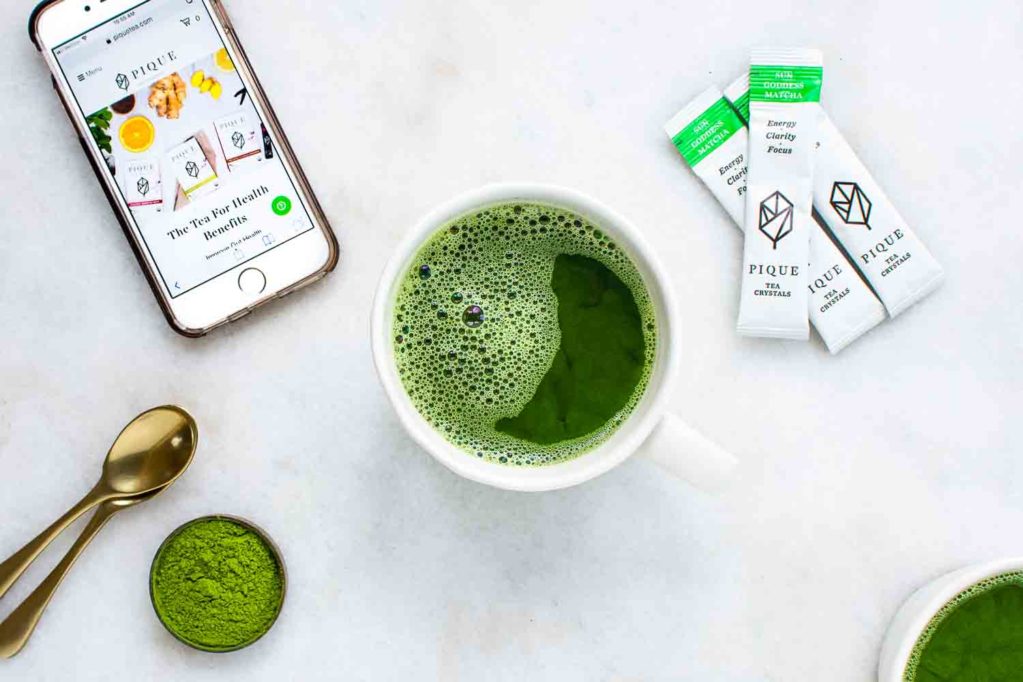
Matcha green tea has surged in popularity due to its bold taste and brilliant green hue, driven largely by its high antioxidant content and essential nutrients that foster relaxation, stabilize blood sugar, enhance heart health, and improve digestive wellness. This article covers where to find matcha tea, what qualities to seek, and how to ensure you're selecting top-notch products.
Defining matcha tea
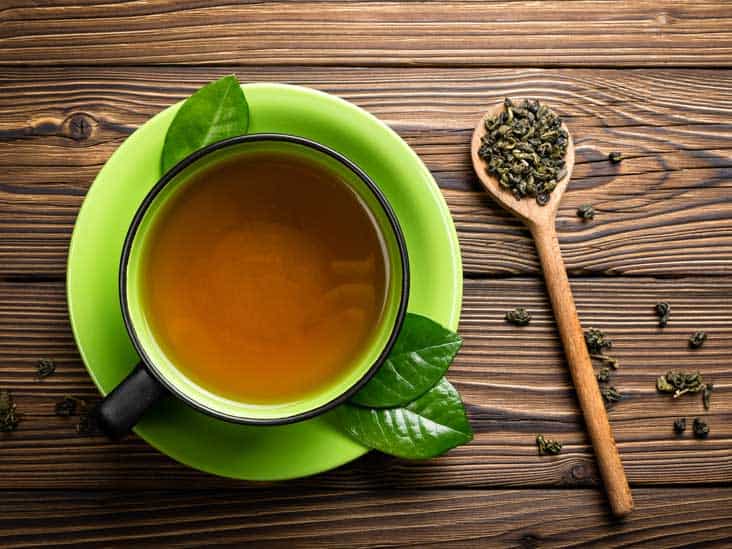
Matcha is a classic Japanese green tea variety. The plants are cultivated under shade, boosting their chlorophyll levels and resulting in a striking, vivid green appearance. This shading method also elevates L-theanine, an amino acid known for tea's calming effects. Only the youngest leaves are selected for matcha; they are flattened to dry, stripped of veins and stems, then milled into an ultra-fine powder known as matcha.
Traditionally, matcha plays a ceremonial role in Japan, and more recently, it has become a popular flavoring for numerous dishes both in Japan and globally. Matcha lattes are especially favored, and treats like ice pops and milkshakes often highlight matcha as a key taste.
Health advantages of matcha tea
The cultivation and processing methods of matcha render it exceptionally nutrient-rich, with higher concentrations of specific amino acids and plant compounds than other teas. When tea plants grow in shade without sunlight, they naturally produce more theanine, chlorophyll, and polyphenols, making matcha denser in nutrients and richer in antioxidants compared to most green teas.
These crucial elements—amino acids and antioxidants—are responsible for many of matcha's health benefits.
L-theanine, a natural amino acid in tea plants that increases with shade growth, encourages relaxation and lowers stress levels (source). It also boosts focus, alertness, and cognitive function while simultaneously promoting calmness (source, source).
The production method for matcha is quite distinct, yielding tea with a notably higher antioxidant concentration. Premium matcha can contain up to 137 times more antioxidants than lower-grade, bagged green teas (source). Antioxidants combat oxidative stress and inflammation, which underlie many chronic conditions.
Interestingly, the polyphenols abundant in matcha support both cardiovascular and gut health.
Green teas like matcha contain multiple components that promote heart health (source), likely by aiding blood sugar regulation and lipid metabolism (source) while reducing oxidative stress (source).
The polyphenols in green tea, more concentrated in matcha than in other teas, also enhance gut health and support healthy weight (source). Phytonutrients in green teas, such as matcha, inhibit oxidative stress in the gut, thereby improving digestive health (source). Additionally, tea polyphenols encourage beneficial changes in gut microbiota, fostering microbial diversity (source) and a healthier microbiome (source).
Key factors when purchasing matcha
If you're unsure about what to seek when buying matcha or where to get it, several considerations can help ensure quality, taste, and authenticity.
When selecting matcha, opt for tea that is shade-grown in Japan and displays a rich, vibrant green color. It should be free from additives and tested for heavy metals and other impurities. Moreover, it must be stored and sold in packaging that limits oxidation; otherwise, both flavor and nutritional value degrade.
Authentic matcha is shade-grown in Japan and carefully processed to yield a vivid green, richly flavored powder. The intense green signals the presence of phytonutrients like chlorophyll—the deeper the color, the more nutrient-dense the tea.
Like other crops, tea plants absorb heavy metals and fluoride from soil similarly to minerals and nutrients. Consequently, teas, including matcha, may contain contaminants (source). Higher-quality teas, those from young leaves and buds (like matcha), and organically grown varieties generally have fewer contaminants and lower fluoride levels than lower-quality options (source).
When buying matcha, keep in mind
- The finest matcha originates from Japan.
- Optimal matcha is shade-grown.
- Matcha should exhibit a rich, lively green color.
- It should be screened for heavy metals and other contaminants.
- Matcha must be sold in ways that minimize oxidation.
Since tea can naturally contain contaminants, purchasing high-quality tea that undergoes screening is crucial. Pique Tea stands out because its matcha undergoes a quadruple screening process for heavy metals, fluoride, toxic mold, pesticides, and radioactive isotopes.
Top matcha powder choices
Matcha is categorized into three grades based on quality. When searching for where to buy matcha, pay attention to its quality and grade. Factors like cultivation methods, production techniques, powder color and texture, and oxidation level influence grading. The three grades are ceremonial, premium, and culinary, with ceremonial grade being the highest quality.
The three matcha grades include
- Ceremonial Matcha: The top tier, used mainly in tea ceremonies and temples. It boasts a very high amino acid content compared to other matcha, offering subtle umami notes and a richly complex flavor.
- Premium Matcha: Rich in phytonutrients and amino acids, but less expensive and less intensely flavored than ceremonial matcha, yet far superior to culinary matcha.
- Culinary Matcha: The most affordable option, with a less vibrant green color and simpler flavor, featuring stronger bitter notes. It is more oxidized and primarily used as a flavoring in foods and drinks.
Where to purchase matcha tea
If you're seeking matcha tea, several options exist. You can find it at some natural food stores and tea shops, but consistently high-quality matcha powder is easier to obtain from specialized online providers.
Pique Tea offers a ceremonial grade matcha from southern Japan. Like all authentic matcha, it is shade-grown. What sets it apart is that it is shade-grown 35% longer than average, resulting in higher L-theanine levels, which promotes relaxation and stress relief.
They also screen their matcha for heavy metals, fluoride, pesticides, toxic mold, and radioactive isotopes, ensuring the product is both top-quality and exceptionally clean. It comes in individual servings to prevent oxidation.
You can order it online here.