The World Health Organization classified the global coronavirus as a pandemic nearly a month ago, yet many individuals still fail to grasp the gravity of this status.
Although most nations have enforced quarantine measures and closed their borders to travel, a significant number of people continue to disregard official directives and break self-isolation rules, putting both themselves and others at risk. For those who remain unaware of the severity of the situation, experts have outlined three essential actions to avoid—at least until the pandemic subsides.
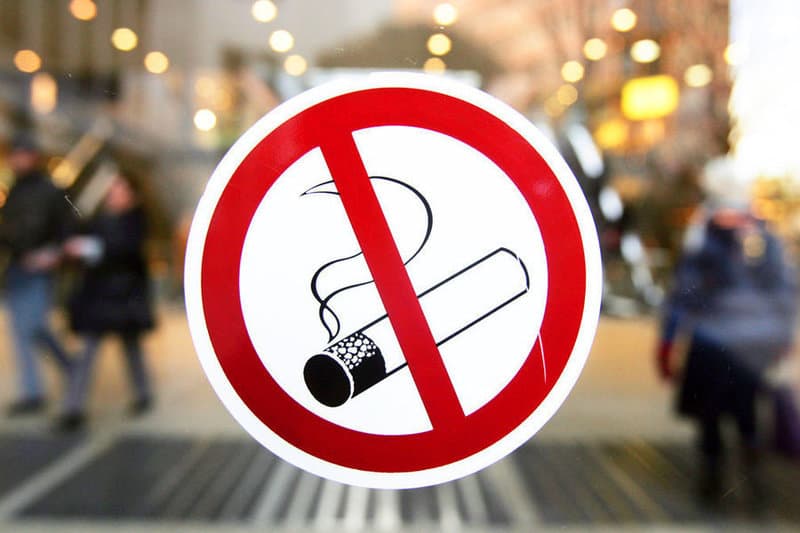
1) Smoking carries heightened risks now
A smoker's lungs are already compromised by toxic compounds and reduced oxygen supply, and contracting COVID-19 could prove fatal for individuals with this habit.
Specialists urge smokers to recognize the perils of tobacco and to strive to break the habit of reaching for cigarettes. This effort could safeguard their health and even prevent fatalities.
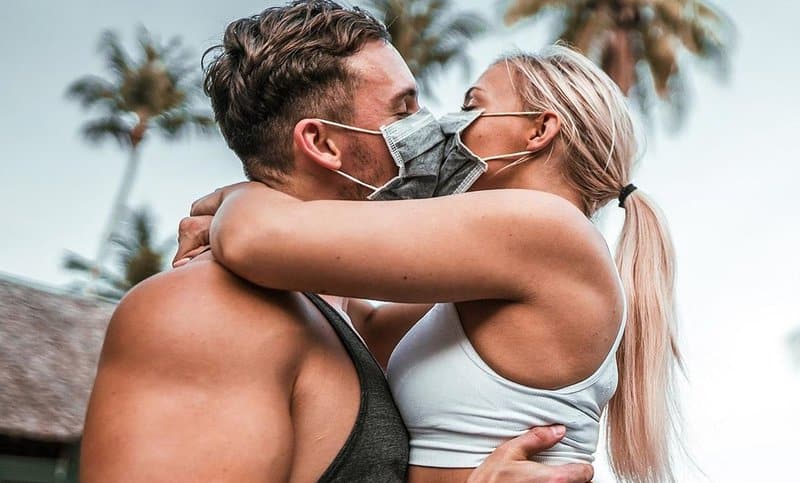
2) Avoid going outside without a face covering
However, healthy individuals are not required to wear masks. Only those who have contracted the infection or are providing care for infected persons must cover their faces.
Additionally, disposable masks should never be reused multiple times. That is the key point to understand!
3) Refrain from using antibiotics without medical guidance
This caution applies specifically to self-medication. If you develop a cough or feel unwell, never rush to purchase antibiotics! Any medication should only be taken under a doctor's supervision, and this is especially critical during a pandemic.
"If you experience fever, cough, or shortness of breath, consult a doctor promptly to reduce the risk of a more severe infection," experts strongly advise, emphasizing that antibiotics are ineffective against viruses since they only treat bacterial infections. COVID-19 is a viral disease, meaning even a potent antibiotic cannot combat it.
Antibiotics should not be used as a preventive measure. Such drugs can actually weaken a healthy person's immune system, making them more susceptible to infection.
Protect yourself and remember that the elderly, men, and individuals who are overweight are most vulnerable to the coronavirus. Recently, a French doctor identified another risk factor: beards and mustaches.
Photo credit: unsplash.com