A widespread misconception holds that play belongs solely to childhood, yet scientific evidence demonstrates its equally powerful effects on adults. Incorporating playful activities into everyday routines can ignite imagination, lower tension, and boost general wellness, as noted by studies from the American Psychological Association.
In an environment where output frequently outweighs enjoyment, reconnecting with the delight of play can restore equilibrium and fresh vitality. Below is a structured approach to help you rediscover your capacity for play and reap its beneficial effects.
Why Play Matters for Adults
A cheerful outdoor gathering of adults laughing together, promoting mental health and stress reduction in a supportive group. | Generated by Google Gemini
Adulthood frequently sees play written off as wasteful, but studies underscore its vital function in cultivating joy, alleviating worry, and advancing self-development. As reported by National Geographic, engaging in playful pursuits activates the mind, fosters innovation, and aids in stress regulation.
When adults view play as a fundamental component of self-care, they can adopt it as a resource for psychological and emotional health. Acknowledging that play is essential rather than optional enables us to give it priority, creating room for happiness and genuine interaction in daily life.
Discover Your Play Style
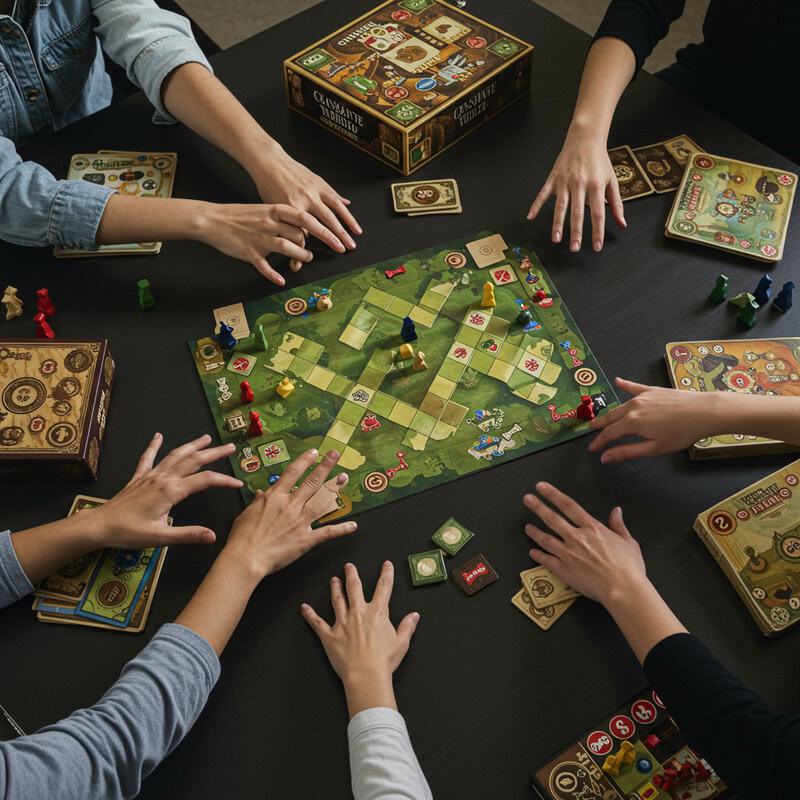
A circle of friends huddled around a table filled with board games and travel maps, embarking on fresh adventures together. | Generated by Google Gemini
To weave play permanently into your life, begin by recalling the pastimes that once enthralled you as a child—maybe strategy games, outdoor expeditions, or artistic endeavors. Reflect on what sparked true excitement and laughter.
Then, investigate new options that match your present tastes, such as dancing lessons, brain teasers, or group athletics. Trying different things is crucial; sampling various activities reveals what truly clicks. The Greater Good Science Center notes that adults gain the most when they choose playful experiences that feel genuine and pleasurable.
Schedule Play into Your Routine
A classic clock and a calendar rest beside a steaming mug, inviting a mindful moment of relaxation and pause. | Generated by Google Gemini
Inserting play into a crowded calendar demands deliberate effort. Reserve recurring slots in your planner for enjoyable activities, giving them the same weight as work meetings or appointments. Establishing limits—for instance, disconnecting from job emails during play periods—ensures you immerse yourself fully and recharge.
According to Harvard Health Publishing, prioritizing playful intervals can relieve stress, stimulate creativity, and promote a more balanced work-life dynamic. Keep in mind that even short bouts of play yield substantial advantages—so treat fun as an indispensable part of your schedule.
Play in Company
A vibrant group standing in a circle, sharing laughter and cooperating in an engaging team-building exercise. | Generated by Google Gemini
Participating in play with others strengthens bonds and improves social health. Collective pursuits—whether board games, athletic competitions, or joint creative projects—can foster trust, dialogue, and collaboration. As Psychology Today highlights, shared play experiences enable adults to forge deeper connections and diminish loneliness.
Encourage friends, relatives, or coworkers to take part in activities that promote humor and teamwork. This not only lifts your spirits but also builds lasting memories and a feeling of community, essential for emotional stability and toughness.
Cultivate a Playful Attitude
A young woman sits cross-legged in a sunlit park, eyes closed and smiling, surrounded by whimsical doodles and thought bubbles. | Generated by Google Gemini
Embracing a playful mindset involves injecting humor, curiosity, and spontaneity into ordinary moments. Whether cracking a joke, picking up a new hobby, or facing challenges with an open outlook, playful mindfulness can turn mundane tasks into wellsprings of delight.
Per the Mindful website, this method not only ignites creativity but also fortifies resilience under pressure. By allowing space for lightheartedness and awe, you can handle adult obligations with greater adaptability and optimism, letting imagination and problem-solving abilities thrive.
Tackle Obstacles to Play
With arms outstretched on a mountain summit, a woman looks ahead, exuding confidence and boundless freedom. | Generated by Google Gemini
Many grown-ups encounter hurdles to play, such as guilt, self-consciousness, or a sense of insufficient time. It is crucial to understand that play is not a frivolous indulgence but a key element of wellness.
The HelpGuide stresses the advantages of releasing perfectionism and welcoming moments of amusement without criticism. By reinterpreting play as necessary self-care and setting aside small intervals, you can slowly turn it into a regular, guilt-free practice. Bear in mind that prioritizing joy leads to a more harmonious and satisfying existence.
Final Thoughts
A group of friends laughing and raising their glasses in a joyful toast, radiating happiness and well-being. | Generated by Google Gemini
Reclaiming play during adulthood unlocks powerful advantages: lowering stress, boosting creativity, deepening relationships, and increasing emotional resilience. By recognizing its worth, identifying personal preferences, allocating time, including others, adopting a playful mindset, and surmounting barriers, anyone can rekindle their playful nature.
Even modest actions—like injecting humor into your day or experimenting with a new game—can trigger transformation. As emphasized by The New York Times, integrating play into your schedule leads to a happier, healthier life. Begin now and make play a lasting part of your wellness journey.