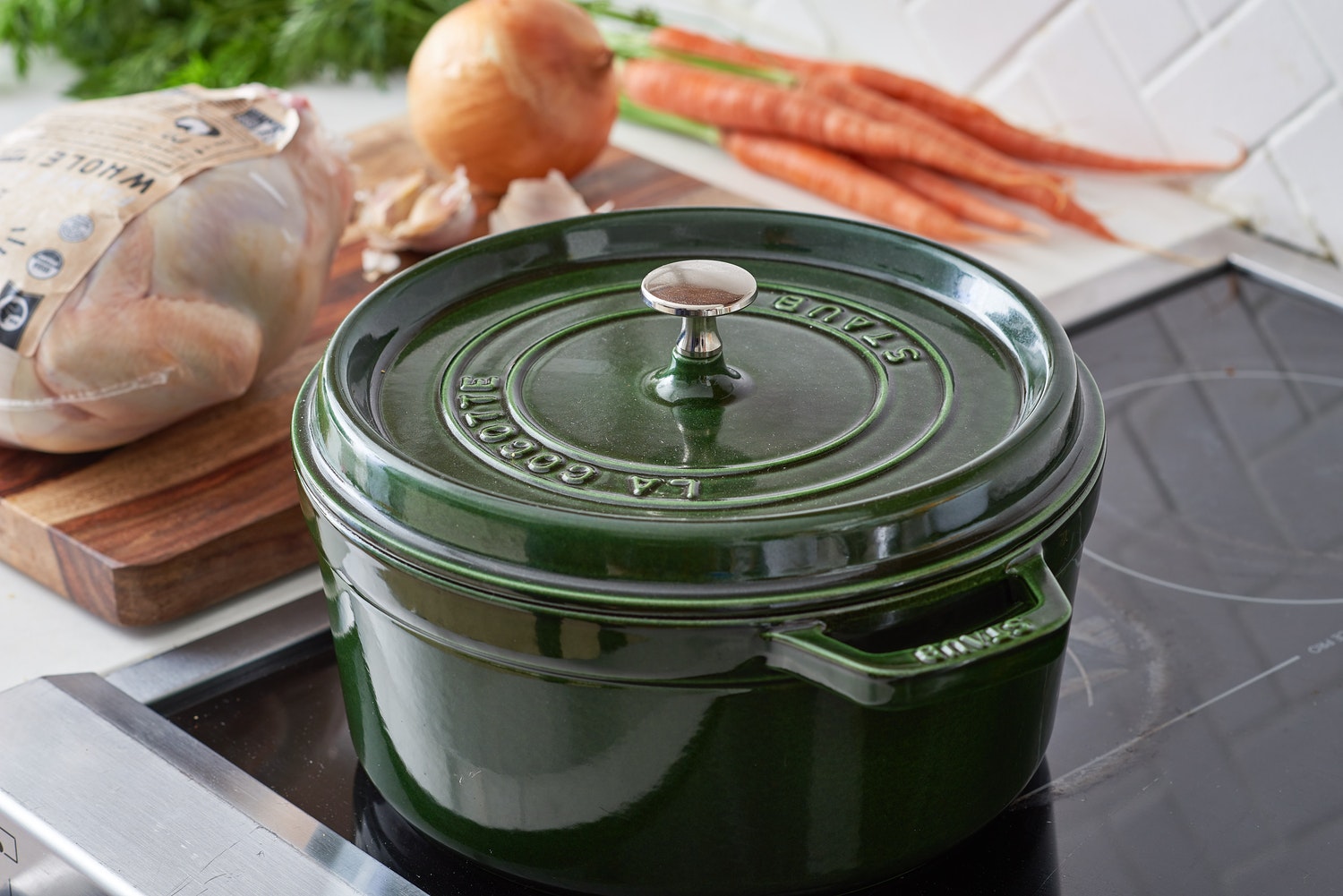
So you've got yourself a brand new Dutch oven! Typically crafted from cast iron and coated with enamel, this robust and adaptable cooking vessel is essential for creating mouthwatering braises and casseroles. Since it's often a significant purchase—with top brands costing several hundred dollars—you'll want to handle it with care.
Here are ten crucial things to understand before you start cooking with your Dutch oven for the first time.
Essential Tips for Your First Dutch Oven Experience
1. Give it a good wash first.
Before you start cooking, clean your Dutch oven with hot, soapy water and dry it using a soft cloth. Although many models are labeled dishwasher-safe, hand washing is usually the better option whenever possible.
2. Cast iron works on every heat source.
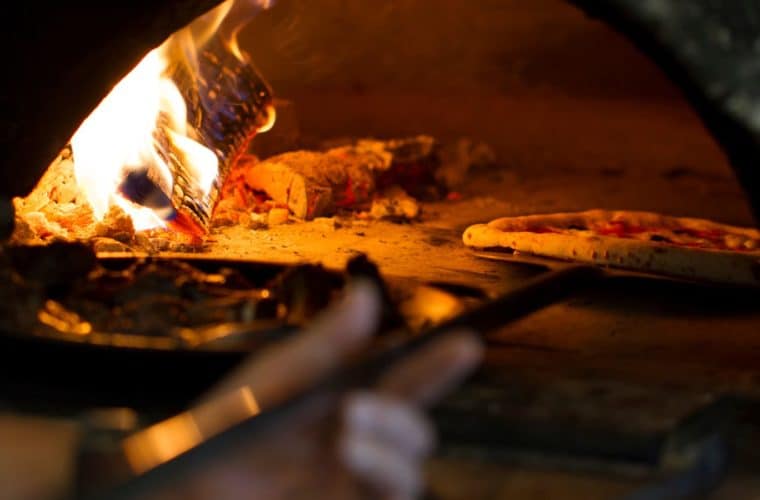
An enameled cast iron Dutch oven can be used on any stovetop (electric, gas, or induction), in the oven, or on the grill. It's even suitable for coal or wood-fired ovens. However, when using it directly on a heat source like the stovetop or grill, avoid extremely high temperatures to prevent scorching. That brings us to the next point.
3. Steer clear of high heat.
"High heat settings should only be used for boiling water for vegetables or pasta, or for reducing stocks or sauces," states the Le Creuset website. Dutch ovens perform best when they warm up gradually and retain heat, so don't preheat them on high. Cranking up the heat can cause food to stick or burn because the heat transfers so effectively.
Related: How To Clean Burnt Stains Off Enameled Cookware
4. Cast iron retains heat beautifully.
Cast iron gets extremely hot and spreads that heat uniformly across the entire pot. Then it stays hot—great news if you want to keep food warm for seconds (just keep the lid on), but also important to remember when you're serving at the table or bringing it to the sink. Keep oven mitts and trivets handy!
5. Cast iron also gets cold.
The conductive properties of cast iron work both ways. If you place it in the freezer or fridge, the Dutch oven will hold the cold, making it ideal for dishes like pasta salads and desserts. You can also put it directly into the fridge once it has cooled down if you need to store leftovers. Just avoid moving it straight from the stove to the fridge (or vice versa), as sudden temperature changes can crack the enamel.
6. Oil is essential.
Generally, you shouldn't put food into a dry Dutch oven, as it will stick and burn. Coat the bottom with liquid, oil, fat, or butter before adding whatever you're cooking.
7. You can marinate in it.
The vitreous enamel surface is non-porous, so it's safe to use with raw foods and sturdy enough to handle marinating with wine or acidic ingredients.
8. Be careful not to scratch it.
Dropping your Dutch oven, dragging it across the counter, or using metal utensils can damage the enamel coating. Opt for silicone or wooden utensils to minimize scratching. When cleaning, avoid abrasive cleaners or scrubbers like metallic scouring pads.
9. Accents may not handle high heat.
If your Dutch oven has plastic, wooden, or other metal accents or handles, check the specifications—while the cast iron can get extremely hot, some lids or handles may only withstand lower temperatures before melting or degrading.
10. Watch out for water.
Always let your Dutch oven dry completely before storing it, and keep it in a cabinet or shelf away from moisture to prevent the iron from rusting.