International Researchers to Deploy DNA Technology in Search for Loch Ness Monster
This team will systematically scan Loch Ness, employing environmental DNA (eDNA) techniques in an effort that could conclusively answer whether the legendary creature is real.
eDNA Sampling Proven Effective for Monitoring Marine Species
Environmental DNA sampling is already a well-established method for tracking marine animals such as sharks and whales. Any organism moving through an area sheds tiny traces of DNA via hair, scales, skin, or waste. Researchers collect and sequence these genetic fragments, then match them against a comprehensive database containing hundreds of thousands of known genetic sequences to identify the species that left them.
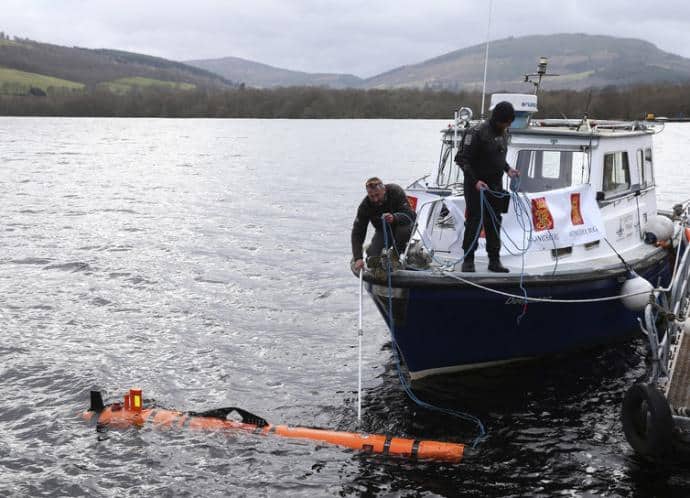
In April 2016, the autonomous underwater vehicle Munin was deployed in Loch Ness. The earliest written account of the Loch Ness Monster dates back to the 6th century, when an Irish monk named St. Columba reportedly drove a water beast into the loch. (Footage of a mysterious creature in Loch Ness surfaced on May 21, 2018.)
Numerous Photographs Purportedly Show the Loch Ness Monster
Over the years, many alleged photographs have claimed to capture the Loch Ness Monster. The most iconic is the 'surgeon's photo' from 1934, which appears to show a long-necked head rising from the water. It wasn't until six decades later that the image was exposed as a hoax—a model of a sea monster mounted on a toy submarine placed in the loch. Numerous expeditions have sought the creature, including a notable one in 2003.
A more recent search two years ago employed a sophisticated marine drone. The team did locate a monster, but not the legendary one—it turned out to be a replica from the film 'The Private Life of Sherlock Holmes,' which had been submerged in the loch half a century earlier.
Multinational Team Includes Researchers from Five Countries
This new expedition brings together scientists from the United Kingdom, United States, Denmark, Australia, and France. They have all voiced enthusiasm for participating, emphasizing that the project goes beyond a simple monster hunt. While proving the existence of the Loch Ness Monster remains a central goal, the team also aims to gain insights into the diverse organisms inhabiting Loch Ness.
The researchers hope to identify new life forms, particularly bacteria, and will also document the presence of invasive species recently observed in the loch, such as Pacific pink salmon.
disclose.tv
%22%20%2F%3E%0A%20%20%20%20%20%20%3Cstop%20offset%3D%22100%25%22%20stop-color%3D%22hsl(330%2038%25%2071%25)%22%20%2F%3E%0A%20%20%20%20%3C%2FlinearGradient%3E%0A%20%20%3C%2Fdefs%3E%0A%20%20%3Crect%20width%3D%221200%22%20height%3D%22750%22%20fill%3D%22url(%23bg)%22%20%2F%3E%0A%20%20%3Ctext%20x%3D%22600%22%20y%3D%22286.5%22%20text-anchor%3D%22middle%22%20fill%3D%22hsl(44%2052%25%2036%25)%22%20font-family%3D%22Inter%2C%20ui-sans-serif%2C%20system-ui%2C%20sans-serif%22%20font-size%3D%2224%22%20font-weight%3D%22700%22%20letter-spacing%3D%220.22em%22%3ETRAVEL%3C%2Ftext%3E%0A%20%20%3Ctext%20text-anchor%3D%22middle%22%20fill%3D%22hsl(98%2038%25%2020%25)%22%20font-family%3D%22Georgia%2C%20'Times%20New%20Roman'%2C%20serif%22%20font-size%3D%2250%22%20font-weight%3D%22700%22%3E%3Ctspan%20x%3D%22600%22%20y%3D%22351.5%22%3EDiscover%20Georgia%3A%20A%20Standout%3C%2Ftspan%3E%3Ctspan%20x%3D%22600%22%20y%3D%22410.5%22%3EDestination%20on%20Lonely%20Planet%26apos%3Bs%3C%2Ftspan%3E%3Ctspan%20x%3D%22600%22%20y%3D%22469.5%22%3E2018%20Best%20in%20Travel%20List%3C%2Ftspan%3E%3C%2Ftext%3E%0A%3C%2Fsvg%3E)