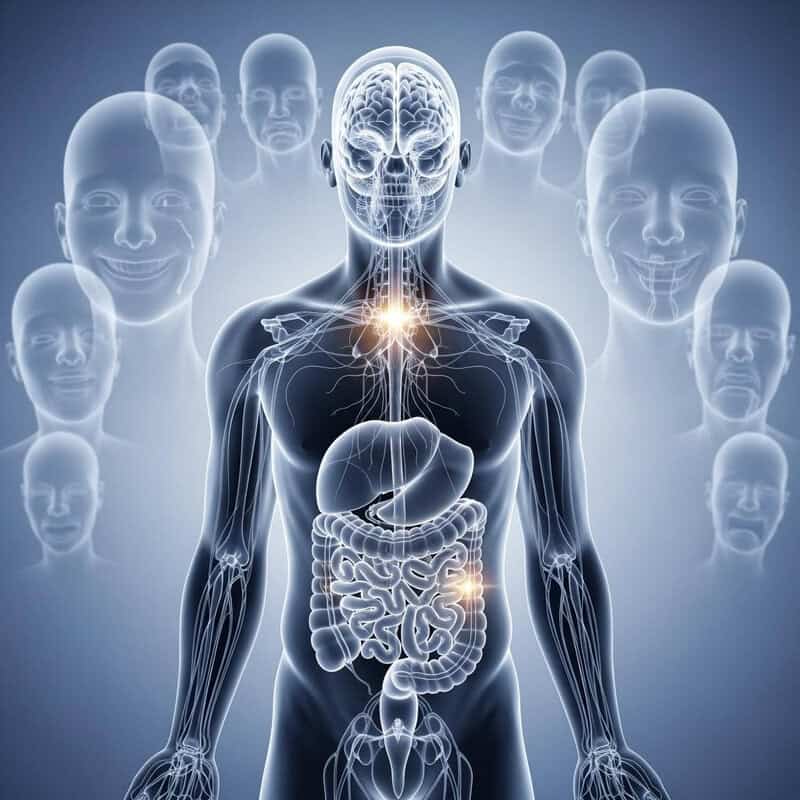
It turns out that fatty foods don't just harm your waistline—they can also negatively impact your mental health. Beyond the obvious issues of weight gain and related health problems, scientists have discovered a more insidious mechanism. Fats can actually accumulate in the brain, potentially triggering a serious mental disorder like depression.
Researchers at the University of Glasgow found that symptoms of depression can emerge when dietary fat builds up in a specific region of the brain.
This conclusion was drawn from experiments on mice. The animals were fed a high-fat diet and soon began exhibiting signs of depression. However, when antibiotics were used to restore normal gut microflora, the depressive symptoms disappeared. The team concluded that a high-fat diet promotes certain gut bacteria that induce neurochemical changes, ultimately leading to depression.
Study Links Fatty Food Intake to Depression via Hypothalamus Changes
It was observed that dietary fats easily enter the bloodstream and accumulate in the hypothalamus, a brain region responsible for regulating mood and appetite. This buildup disrupts signaling pathways, which in turn can cause depression.
This new insight explains why obese patients often respond less effectively to antidepressants compared to lean individuals. With this knowledge, researchers can now develop more targeted depression medications.
For those who tend to "eat their feelings" with rich, high-calorie foods, this information serves as a reminder that such choices may actually worsen a negative mood over the long term.
Stay healthy!
Photo credit: unsplash.com
Follow GoSeekNest on Instagram and Pinterest!