At what point should you incorporate anti-aging products into your skincare regimen? During your teenage years, your twenties, or your thirties? And which items are most effective at fighting the visible signs of aging?
Starting early is key. If you're in your early twenties, taking a proactive approach to skincare involves not only selecting the correct products but also understanding the crucial anti-aging components. Establishing an anti-aging routine at a young age is a preventive measure that helps preserve a youthful appearance over time. For those who have delayed adopting anti-aging care, there is still an opportunity to reduce and even reverse existing damage.
Photo: © Daniel Lamb – Sun Kissed, Creative Commons
How Aging Affects the Skin
The skin, being the body's largest organ, undergoes natural aging as a person grows older. Beyond typical signs like hair turning gray or white, wrinkles can form and skin begins to droop due to lost elasticity. These visible alterations to the skin may include:
1. Thinner Outer Layer and Increased Pigmentation
Per an article from Medline Plus published by the US National Library of Medicine, aging leads to a thinning of the epidermis—the skin's outermost layer—along with a reduction in melanocytes (pigment-containing cells that determine skin color). This results in skin that appears thinner, paler, and more translucent, while pigmented spots such as liver spots and age spots may emerge on sun-exposed areas.
2. Reduced Elasticity
As we age, skin loses its elasticity, particularly with significant sun exposure. The strength and flexibility of the skin's connective tissues decline, leading to a darker complexion and a leathery, weather-beaten appearance. Additionally, the skin's fat layers become thinner, providing less insulation and cushioning.
Skin aging diagram from Dermalogica.com.au
3. Increased Dryness
Sebum, often considered a nuisance for those with oily or acne-prone skin, actually serves as the skin's natural moisturizer. When skin lacks moisture, the sebaceous glands overcompensate by producing excess oil to prevent drying. However, as we age, sebum production decreases, resulting in dry skin and a greater likelihood of developing fine lines and wrinkles. This explains why many anti-aging products focus on restoring hydration.
Triggers of Premature Facial Skin Aging
Beyond genetics and diet, several factors contribute to skin aging:
1. Lifestyle Choices
Smoking, heavy alcohol consumption, insufficient sleep, and stress are among the primary causes of premature skin aging. Unhealthy habits like smoking and drinking not only harm skin health but also impact overall bodily condition. Lack of sleep can lead to a dull complexion and dark under-eye circles, among other issues.
2. Dehydration
Here's another reason to aim for eight glasses of water daily. While individual water needs vary, the essential point is that both your body and skin require hydration. Since the human body is roughly 60% water, insufficient intake leads to dry, sagging skin along with other health concerns. Drinking enough water also helps maintain an ideal moisture-to-sebum balance, preventing excessive oil production and the formation of acne, blackheads, and other blemishes.
3. Pollution
In addition to internal factors, external elements like pollution affect the skin. In 2016, the World Health Organization reported that 80% of urban residents were impacted by excessive air pollution. Polluted air contains dust, carbon emissions, and other harmful substances that can severely affect overall health. Skin exposed to high pollution levels may suffer cellular damage and stress from free radicals, leading to further loss of elasticity and clarity.
4. Sun Exposure
Over the years, experts have confirmed that sun exposure is the leading cause of skin aging. According to a study on ultraviolet radiation and aging published in the National Center for Biotechnology Information (NCBI), UV radiation not only causes external changes like darkening, dryness, fine lines, and wrinkles but can also trigger inflammation, immune alterations, impaired wound healing, and even DNA damage that may lead to skin cancer.
Photo: © Skeyndor, Creative Commons
The Value of Adopting Anti-Aging Skincare
Benjamin Franklin once said, "An ounce of prevention is worth a pound of cure." Keep this wisdom in mind if you're considering a preventive anti-aging skincare routine, especially if you're in your early twenties. If you're in your thirties or forties, using the right products with proven anti-aging ingredients can help halt further damage.
1. Incorporate Actives Like BHA and AHA
As noted earlier, aging makes skin more prone to pigmentation. Using acids such as alpha hydroxy acids (AHAs) and beta hydroxy acids (BHAs) can be beneficial. AHAs work on the skin's surface to minimize fine lines, brighten complexion, and fade pigmented marks. Common AHAs include glycolic acid, lactic acid, and mandelic acid. BHAs penetrate deeper into the skin and are effective for managing inflammation like acne. Incorporating a BHA- or AHA-based exfoliant into your routine helps remove dead and rough skin buildup that can make your complexion look dry, dull, and wrinkled. By Wishtrend's Mandelic Acid 5% Skin Prep Water contains 5% mandelic acid, which is gentle enough for daily use.
2. Harness Retinol and Antioxidants
Retinol is a widely used ingredient in anti-aging skincare. It is a form of Vitamin A that targets fine lines, wrinkles, roughness, pigmentation, and acne, while also restoring firmness. A Lab Muffin post by science educator Michelle Wong, who holds a PhD in Chemistry, explains how retinol boosts collagen production. Collagen production slows with age, and factors like UV exposure and unhealthy habits can accelerate its loss. Retinol also speeds up cell turnover, resulting in a more youthful appearance. The Missha Time Revolution Night Repair Borabit Ampoule is a cult favorite due to its effective blend of retinol with fermented and brightening ingredients that refine skin over time.
Antioxidants are another essential component in anti-aging creams, serums, and toners. Green tea is a well-known source of antioxidants, valued for its anti-microbial, anti-inflammatory, and astringent properties. Other antioxidant sources include retinol, Vitamin C, Vitamin E, and soy extract. Antioxidants neutralize free radicals, particularly those caused by environmental stressors like pollution. The Dear Klairs Fresh Juiced Vitamin Drop contains a low concentration of Vitamin C, ideal for sensitive skin or first-time Vitamin C users. The Dear Klairs Midnight Blue Youth Activating Drop gets its blue color from guaiazulene extracted from chamomile and includes Epidermal Growth Factor (EGF) and peptides to promote cell renewal and restore firmness.
3. Keep Skin Hydrated
Wrinkles, dryness, and sagging are common signs of facial aging, all stemming from lost elasticity and moisture deficiency. Ceramides are frequently used in moisturizing creams. According to Michelle of LabMuffin and an article from Paula's Choice, ceramides act as the "mortar" holding cellular "bricks" together, helping skin retain water and block irritants. Michelle's post further explains that, like collagen, ceramide levels decline with age, leading to dry and sensitive skin.
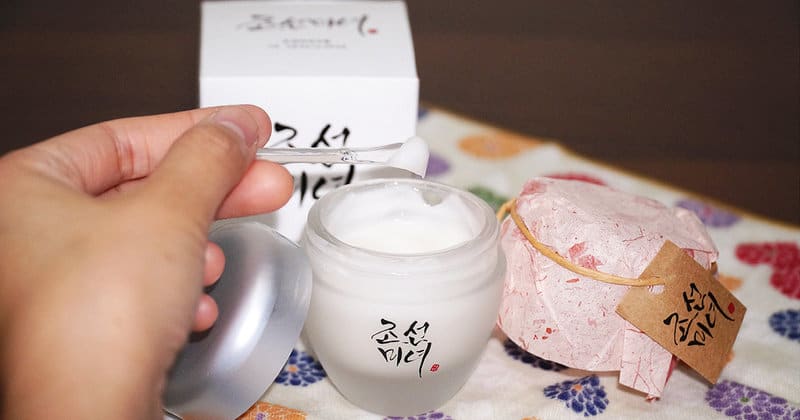
Hyaluronic acid is a well-known humectant that binds moisture to the skin, resulting in hydrated, softer skin. Whether in its acid form or as sodium hyaluronate, including one or both in your toner, lotion, or anti-aging cream provides ample hydration. Hyaluronic acid is a star ingredient in Beauty of Joseon's Dynasty Cream, alongside Panax ginseng and nourishing oils like olive, sunflower seed, sea buckthorn, and argan oils.
4. Never Skip Sunscreen
It bears repeating that UV exposure is the primary cause of skin aging. Using sun protection is the most effective way to minimize sun damage and, without question, the best method to avoid premature aging. Some anti-aging ingredients like retinol and Vitamin C are photosensitive, meaning they break down and lose efficacy when exposed to sunlight, making diligent sunscreen application crucial. A report published on NCBI indicates that clinical tests on elderly Japanese individuals showed sunscreen can reverse the damaging effects of photoaging, even on aged skin. Daily use of sunscreen—such as the bestselling Kao Biore UV Aqua Rich Water Essence SPF 50+ PA++++ (2017 Edition)—with reapplication throughout the day, is the true secret to a youthful appearance!
ALSO READ Negative Thoughts Harm Your Health By Damaging DNA
yesstyle.com