Beauty reigns supreme! Contemporary women embrace every method to improve their appearance—fitness routines, Botox injections, plastic surgery, and daily makeup application. While they fully understand the risks associated with surgical procedures, few have been alerted to the perils lurking in standard makeup and skincare items.
Yet a hidden hazard exists.
The Perils of Makeup
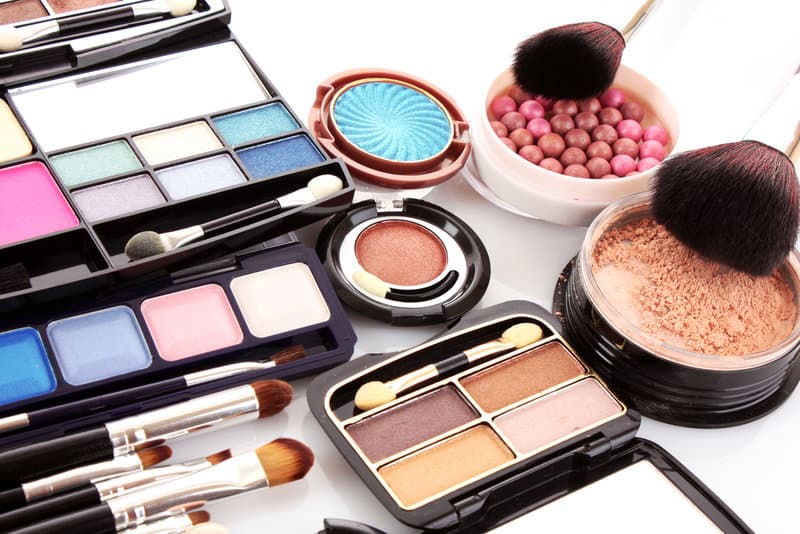
Cosmetics, sponges, applicators, and brushes can harbor disease-causing microorganisms. Women, unaware of the risks, directly spread these germs onto their faces and necks, inadvertently creating an ideal breeding ground for bacteria.
Image credit: depositphotos.com
Once this initial phase begins, the outcomes are unpredictable. The severity hinges on the individual's immune strength. Particularly vulnerable are those with unhealed wounds, scratches, cracks, or other facial injuries.
Germs are invisible to the naked eye, which makes them even more perilous. Improper storage and use of cosmetics can lead not only to skin irritation but also to blood infections.
Here's why.
A Teeming Universe of Microbes
Researchers at Aston University carried out a study focusing on women's makeup bags. Their scientific findings revealed that over 90% of cosmetic items in a typical handbag are contaminated with Staphylococcus and Escherichia coli.
It's difficult to conceive, but a bustling community of bacteria can thrive on brush bristles, merely awaiting contact with human skin—and women themselves grant them that access.
Image credit: depositphotos.com
Moreover, it is highly reckless for women to disregard manufacturers' expiration date warnings. Doing so can trigger not only allergic responses but also more severe health issues.
Scientists advocate for stricter regulations, a practice already implemented in European nations. Decorative cosmetics must be completely free of Escherichia coli; otherwise, they are barred from the consumer market.
Beyond these regulations, it is crucial that women personally maintain the hygiene of their beauty products.
Preventing Skin Inflammation from Makeup Application
Oddly, everyone agrees on the necessity of handwashing—and rightly so, since failing to do so allows germs to invade the body.
Image credit: depositphotos.com
Yet women frequently overlook that applicators and brushes, in constant contact with skin, also harbor microbes. Without regular cleaning, these tools can turn into infection hotspots, undermining both health and beauty.
Guidelines to Steer Clear of This
- Brush maintenance. It's straightforward: mix water with shampoo, rinse the brush, then dry it properly—fluff the bristles and store them upright. Allow to air-dry naturally, avoiding radiators or hair dryers.
- Repeat this cleaning at least twice weekly. Some may worry that brushes will deteriorate, but a well-made brush can endure washing. If half the bristles fall out after the first clean, discard it without hesitation—it will cause more damage than benefit.
- Apply the same method to sponges and applicators. To fully neutralize germs, replace these items after no more than seven days.
- Lipstick and other products. Sharing lipstick, powder, or eyeshadow is a serious error. Just as you wouldn't lend your toothbrush, cosmetics are personal items that shouldn't be used by others.
- Eye protection. Eyeliner and mascara can cause conjunctivitis. Always check expiration dates and avoid pre-used products. Sales assistants may let you test a pencil on your hand, but that pencil has likely been used by others. The risk of picking up foreign germs is high when buying from markets or kiosks instead of specialty stores. Ensure lip and eye pencils are always freshly sharpened to prevent injury to sensitive skin and microbial entry.
- Storage matters. Even if a mascara or eyeshadow claims a shelf life beyond six months, doctors advise discarding them after exactly half a year. Over that period, harmful microorganisms proliferate in the products, gaining easy access to your skin. To avoid issues, dispose of old cosmetics entirely. Storage conditions also matter: some items degrade in sunlight, others in cold. Manufacturers usually specify preferences in the instructions—don't neglect to read them.
- The cost of stinginess. To save money, never combine old and new cosmetics—this will ultimately cost you more. You're merely transferring harmful bacteria to the new product. The same caution applies to old brushes, sponges, and applicators. As the saying goes, the miser pays twice, and risking your health is both costly and foolish.
Exceptional Situations
If skin inflammation occurs despite precautions, stop using cosmetics immediately. Once the body heals, you can test to identify the offending product. However, if you suspect low-quality or expired items, it's safest to discard them.
Image credit: depositphotos.com
Naturally, flawless makeup draws male attention, but healthy, clear skin has always been prized above any cosmetic product.
The decision is yours—maintain your makeup, and it will maintain you.