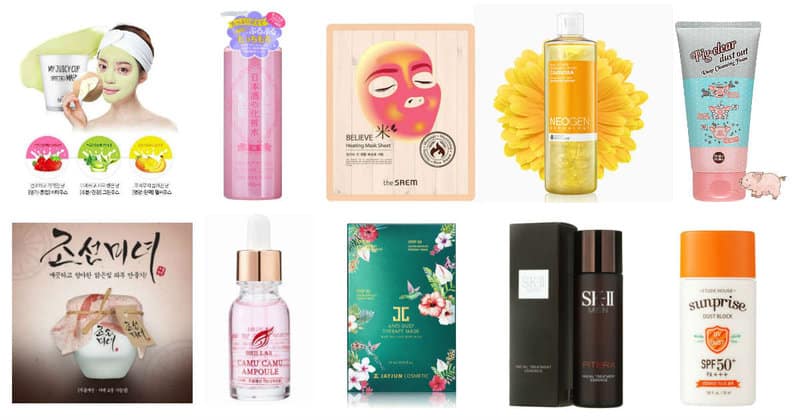
As 2018 approaches, the beauty world is buzzing with anticipation. Which trends will define the new year? Asia is at the forefront of skincare innovation, bringing sheet masks, time-honored and natural beauty solutions, and formulas designed to combat city pollution. Keep an eye out for these developments at your go-to beauty shops!
The Mask Revolution
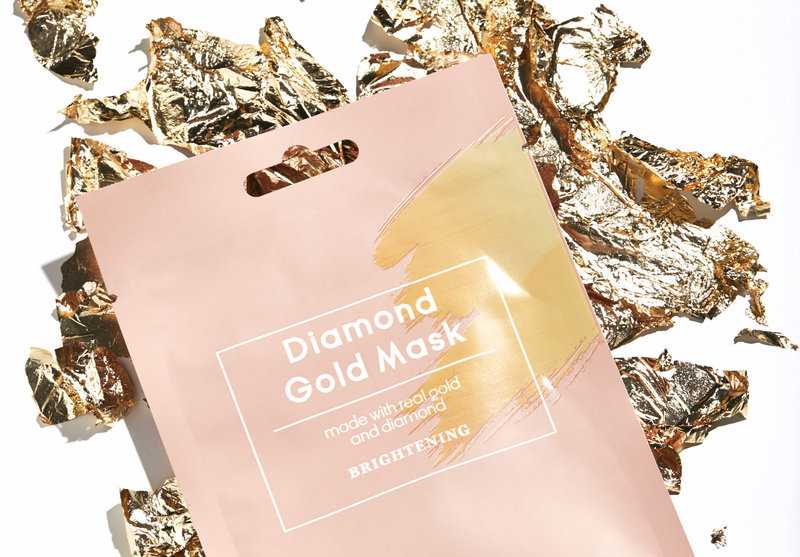
At the recently concluded 22nd Cosmoprof Asia held November 15 to 17 at the Hong Kong Convention and Exhibition Center (HKCEC), sheet masks of every type dominated — hydrogel, cotton and bamboo, bio cellulose and more. According to a Euromonitor report, sales of sheet masks in the Asia Pacific region grew 13% from 2012 to 2017. Brands from the region also accounted for 76% of globally launched sheet masks, followed by Europe at 16% and the US at 8%, according to a report by Mintel.
More women and men now view face masks as a go-to skin care solution because they’re simple to apply. For newcomers, a sheet mask often acts as an entry point into other products like essences and serums. Masks targeting specific areas such as the chin, cheeks, eyes, and lips are gaining traction. Also on the rise are leave-on masks like sleeping packs, along with wash-off varieties including carbonated/bubbling, self-heating, and modeling masks.
Natural, Organic and Traditional
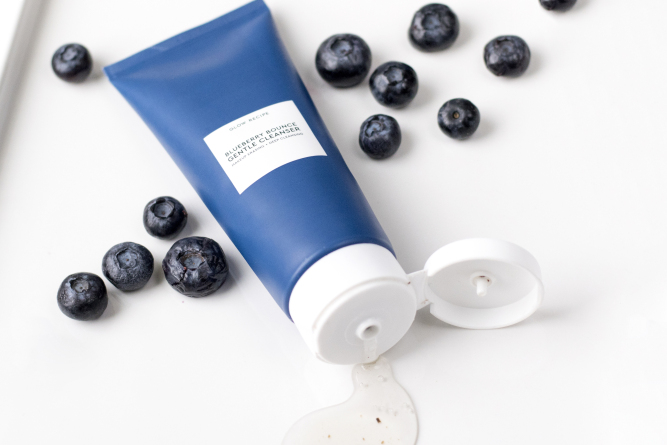
The Cosmoprof Asia event also introduced a brand new hall dedicated to natural and organic brands, with many exhibitors from Australian and New Zealand-based brands showcasing the trend. Google’s Beauty Trend report released early this year highlighted how more US consumers are researching organic and food-based skin care ingredients such as apple cider vinegar, Manuka honey and turmeric. There has been a noticeable uptick in the number of Korean brands that use certified organic, vegan-friendly and cruelty-free ingredients, which caters to an increasing number of customers who are more product-conscious. Many now use ECOCERT-certified ingredients and provide the hazard scores (from zero to 10) given by The Environmental Working Group (EWG), a non-profit environmental organization that promotes the use of safe ingredients.
Image source: Innisfree
More Asian skin care brands, especially those from Korea and Japan, are producing cosmetics based on traditional medicinal formulas, and using fermented ingredients. Many Korean brands are known for using hanbang ingredients and formulas inspired by ancient recipes that use ginseng, fermented fruits, herbs, etc. For Japanese skin care, traditional ingredients such as rice, sake, pearls, gold, charcoal and hot spring water are considered integral to achieving healthier skin.
Pollution Protection
How pollution affects the skin and one’s overall health continues to be a big concern among consumers. The World Health Organization reported that in 2016, 80% of people living in urban areas was affected by excessive air pollution, with Asia having the most number of polluted cities.
The anti-pollution skin care trend first emerged in Asia around 2010 before it took off globally. More beauty brands now include special products that combat skin troubles caused by dust and pollution, which reflects growing concerns about living in urban cities. These special collections are geared towards a complete skin care routine ranging from cleansers, toners and serums to masks, sunscreens and makeup. The use of natural ingredients in such products are also growing, especially food-based ingredients like green tea, artichokes, acai berry and moringa. Their high levels of antioxidants are said to be helpful against free-radical damage of skin cells.
Men and Self-Care
The hallyu wave continues to ride high around the world thanks to K-pop. Consequently, more Asian men aspire to look like male K-pop idols known for their flawless skin, sleek hairstyles and trendy fashion. Sales of men’s skin care products are also sky-rocketing, boosted by lifestyle changes, more disposable income and an increase in health and fitness consciousness.
While Korean men are not averse to using toners, serums, BB creams and cushions (even during their military service), a growing number of Chinese male beauty consumers are now adopting a skin care regimen for themselves. According to a recent survey by the Hong Kong Trade Development Council (HKTDC), 63% of Chinese men use cleansing milks, lotions or face creams. The same health-conscious mindset is also influencing demand for personal care products that are lower in chemical content but higher in herbal and natural ingredients.