Dry, brittle, and damaged hair often results from a combination of factors, including poor habits, hair care errors, or dietary issues. If you've been wondering why your hair feels so parched, here are the answers you need.
6 Reasons Your Hair Is Dry
1. Nutrient Deficiencies
The saying "you are what you eat" holds true here. A lack of copper, iron, iodine, manganese, selenium, or zinc can leave hair dry and fragile.
Insufficient iodine and selenium may trigger hypothyroidism, where the thyroid fails to produce enough hormones, leading to dryness, brittleness, or even hair loss. Prevent these deficiencies by eating the right foods.
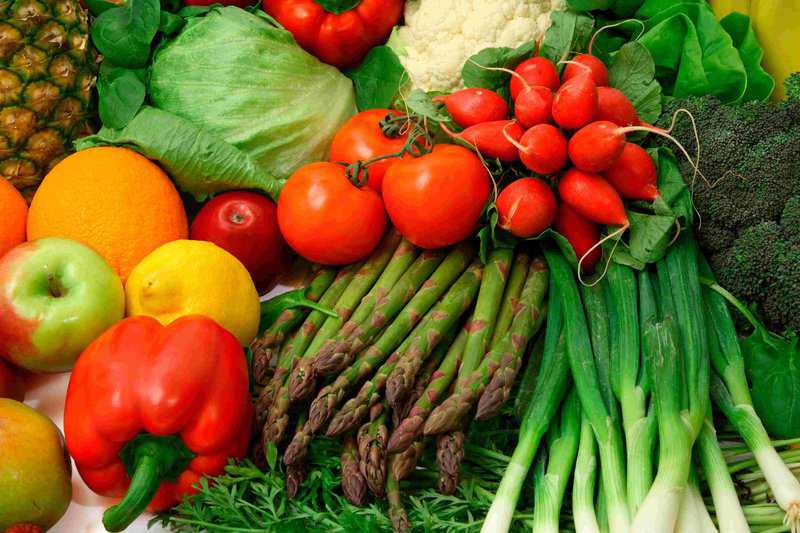
Great sources of copper include cashews, dried adzuki beans, soybeans, chickpeas, lentils, mushrooms, and sesame seeds. For iodine, opt for sea fish, shellfish, and seaweed. Selenium is abundant in shellfish, seafood, nuts, and mushrooms.
Iron ensures proper oxygen delivery to body cells. When hair follicles lack oxygen, they weaken and dry out.
Boost your iron intake with animal liver, beef, egg yolks, Swiss chard, Romaine lettuce, spinach, beans, tofu, and wheat bran.
Manganese activates enzymes that help your body use vitamins essential for healthy hair. Find it in almonds, avocados, broccoli, cabbage, peanuts, pineapples, raspberries, and walnuts.
To avoid zinc deficiency, consume oysters, nuts, spinach, sweet potatoes, chickpeas, and eggs.
2. Vitamin Deficiencies
Vitamins A, B7 (biotin), and C are crucial for healthy hair, skin, and nails. A shortage of these leads to weak, brittle, and dry hair.
Vitamin A acts as a carrier for keratin, the protein in hair. One key sign of deficiency is dry hair, along with a dry, itchy scalp.
Ensure adequate vitamin A by eating eggs, cabbage, liver, oranges, papayas, sweet potatoes, and tomatoes.
Vitamin B7, or biotin, is widely recognized as the primary vitamin for hair health. Many shampoos and conditioners include it. Without enough biotin, hair becomes damaged, dry, and brittle.
Get biotin from foods like carrots, lettuce, tomatoes, Swiss chard, and organ meats such as liver.
Vitamin C deficiency also contributes to dry hair. Incorporate Brussels sprouts, bell peppers, cabbage, cauliflower, guava, lychee, strawberries, spinach, and turnip greens into your diet.
3. Excess Calcium
Too much of a good thing can be harmful.
This principle applies to vitamins and minerals as well. Overconsumption leads to toxicity, which can cause more harm than benefit.
4. Hormonal Changes
Three major factors trigger significant hormonal shifts in the body: pregnancy, birth control pills, and menopause. If you fall into one of these categories, consult a hair care specialist to explore treatments for dry hair.
5. Weather Conditions
Excessive sun exposure in summer can dehydrate hair and strip it of moisture. Similarly, winter takes a toll: moving from cold outdoors to heated indoors leaves hair dry and parched.
6. Improper Hair Care
If you engage in any of these practices, it explains why your hair is dry:
- Using the wrong shampoo
- Skipping proper conditioning
- Brushing hair while still wet
- Applying heat tools like irons or hair dryers daily
- Dyeing hair too frequently
- Neglecting hair protection
How to Address Dry Hair
Start by identifying the root cause of your brittle, dry hair. If you notice unhealthy habits, make positive changes.
If you suspect any of the issues above, consider a hair mineral analysis. This test uses hair samples to assess your body's health, as hair contains all the minerals present in your system. It offers a comprehensive view of your internal well-being.
If you have vitamin or mineral deficits, the analysis will pinpoint what you're lacking. The results guide you toward solutions for unresolved problems and reveal how efficiently your body functions.
Remember, taking multivitamins is only beneficial when you know exactly which vitamins and minerals you need.
Hair mineral analysis is the most effective way to identify your body's mineral deficiencies.
READ 5+ Unusual Ideas How to Keep Bright Hair Colour in Summer