Nearly everyone has been told by their mother to dry their hair before bed, or risk catching a cold. Yet as adults, many of us ignore that advice in favor of saving time on morning styling. We wash our hair at night and hit the pillow with it still wet. Come morning, the mirror often reflects not the effortless 'cool girl' waves seen on runways like the spring-summer Philosophy collection, but a tangled mess reminiscent of a pasta factory explosion. We’ve all used this time-saving trick. So is it truly harmless for our hair?
See this Instagram post from Hair By Sam McKnight (@hairbysammcknight) dated October 12, 2018 at 12:43pm PDT
Celebrity hairstylist Sam McKnight, who works with stars like Kate Moss, Cate Blanchett, and Madonna, frequently uses this technique when aiming for that 'cool girl' look (textured, loose waves) on the runway. He instructs models with naturally straight hair to wash it in the evening, braid it loosely, and sleep on it while still damp. As McKnight explains, the hair dries overnight and develops the desired 'broken' texture of effortless curls. Later, he only needs to touch up a few strands with a curling iron. His alternative method for the same result involves curling all the hair with a wand, then misting the curls and smoothing them by hand to make the waves appear more natural.
See this Instagram post from Hair By Sam McKnight (@hairbysammcknight) dated January 29, 2019 at 11:33am PST
So which method is gentler on hair? Sleeping with damp locks or using heat tools? If you guessed the former, think again. Even Sam McKnight advises against using this trick daily to prevent hair damage.
What are the potential consequences of regularly sleeping with wet hair?
The Effects of Sleeping with Wet Hair on Your Locks
Damage to Your Strands
Every hairstylist will confirm that wet hair is at its most fragile. They advise against even combing it until it's at least half dry. Sleeping with damp strands is therefore ill-advised, particularly if your pillowcases aren't silk. Why does the fabric matter? Silk has a much smoother surface than the standard cotton used in most bedding. On this slippery material, hair is less likely to tangle and break. Moreover, silk doesn't wick away moisture from hair the way cotton does, making it a safer option for sleeping with damp hair. Cotton pillowcases, however, are not recommended for this purpose.
Waking Up to a Disastrous Hairstyle
Sleeping with wet hair raises the chance that it won't dry uniformly overnight, leading to cowlicks at the crown and knotted strands. This not only damages the hair but also ruins your mood—you'll resemble a disheveled housekeeper and likely need to rewash everything in the morning to fix the chaos.
If you absolutely must sleep with damp hair, follow Sam McKnight's advice: start by brushing your hair with a soft-bristle brush, then apply a spray or styling mousse. Braid your hair tightly to ensure even drying. In the morning, undo the braids for a stylish look. However, don't make this a daily habit—cotton pillowcases can dry out your hair, leaving it brittle and weak.
See this Instagram post from Hair By Sam McKnight (@hairbysammcknight) dated September 21, 2018 at 2:32am PDT
The Real Risk of Getting Sick
Mothers are often right, drawing from their own experiences. So their advice deserves attention. During cold weather, doctors—like moms—warn against sleeping with wet hair because it can cause hypothermia, which may then lead to a cold. It would be frustrating to fall ill without even leaving the house. Admittedly, any well-trained physician will point out that the common cold is viral and cannot simply arise from temperature changes. Yet real-world experience suggests hypothermia can indeed contribute to catching a cold. The body's response plays a role: when we warm up, blood vessels dilate; when we cool down, they constrict, potentially hindering the white blood cells that fight viruses.
In other words, a wet head alone won't make you sick. However, if you've already been exposed to a virus, sleeping with damp hair could help a cold take hold. The link may seem tenuous, but it's wiser not to gamble. In summer, feel free to sleep with wet hair every third night—it will dry within an hour. But during winter and spring, when temperatures are low, don't put your health at risk.
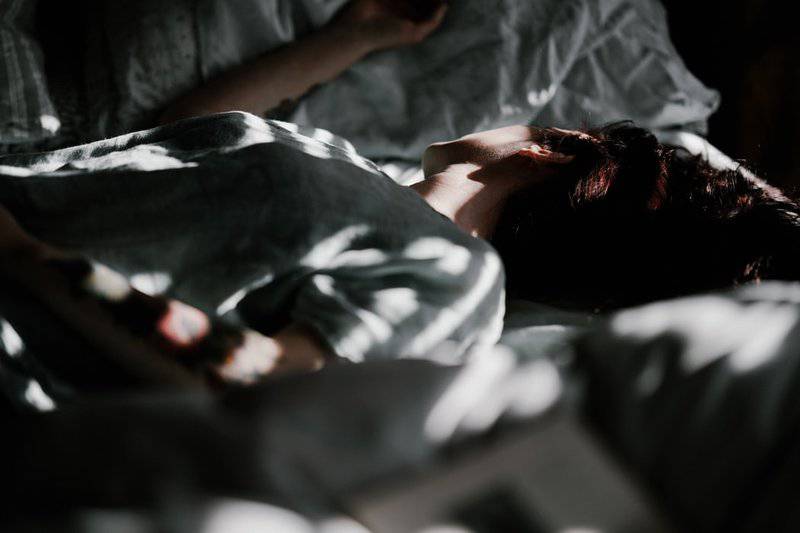
Featured photo from Unsplash.
Explore the Hottest Eyebrow Trends of 2020