According to Wikipedia, the pomelo is a citrus plant species native to southern China, Thailand, Taiwan, the southern regions of Japan, Vietnam, India, Indonesia, Tahiti, and Israel. To enjoy it, peel away the thick skin and remove the bitter white membrane surrounding each segment. Before you take your first bite, let Fury Princess guide you through everything you need to know about this citrus superfood: its health benefits, varieties, and recipes!
Pomelo: a giant citrus fruit with sweet, fiber-rich flesh
photo: discovered.nl
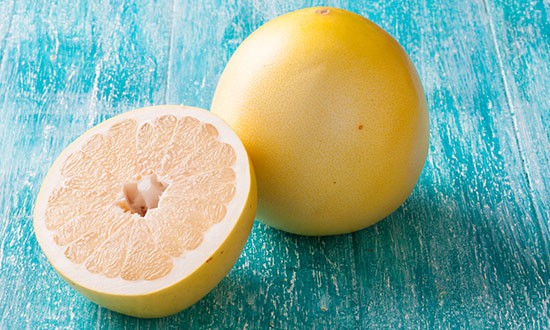
Pomelo is one of the largest citrus fruits, similar to grapefruit but with bigger fibers and a much sweeter taste. It can weigh up to 10 kilograms, and its rind is typically thick.
Peeling it is like peeling an orange: make a shallow cut in the thick skin, then it comes off easily. Split the peeled fruit in half, and using the tip of a knife, gently lift the thick membranes to release the flesh piece by piece.
The segments sit loosely inside their membranous shells, barely attached to the walls. The flesh is firm and dense, so with a little practice you won't crush anything or lose more than a few drops of juice. Also shake out the loose seeds—sometimes there are five or six in each shell.
From my experience, one medium pomelo is enough for three hungry teenagers as an afternoon dessert. For two thoughtful adults, the same portion is more than enough while watching a weekend news program. It adds a pleasant tang to life.
Pomelo is considered low-calorie, though it has more calories than some fruits. One average fruit (about 600 g) contains roughly 231 kcal. Its glycemic index ranges from 72 to 78, but the glycemic load is only four to five—a low value, meaning it doesn't cause sharp blood sugar spikes (similar to watermelon).
Carbohydrates in pomelo come in two forms: natural sugars and fiber. It's rich in fiber—about six grams (25% of the daily recommended intake) per fruit. It also provides protein (4.6 g) and fat (0.6 g).
Pomelo contains vitamins C, A, B6, B1 (thiamine), B3 (niacin), and B2 (riboflavin), along with minerals such as potassium, phosphorus, copper, iron, calcium, magnesium, manganese, and zinc.
Boosts immunity. The main health benefit of pomelo is its massive vitamin C content (619% of the recommended daily dose). As we've known since childhood, vitamin C strengthens the immune system. It helps immune cells and antibodies move and fight off viruses and bacteria, reducing your chances of catching a cold or other infections.
Strengthens bones, cartilage, and blood vessels. Vitamin C is essential for the structure of bones, cartilage, muscles, and blood vessels. It also aids iron absorption and speeds up wound healing. The calcium in pomelo helps protect against osteoporosis. When calcium and vitamin C work together, they are absorbed more effectively than alone.
May help prevent cancer. Recent research (2017) suggests that vitamin C intake could be a good preventive measure for certain cancers. However, more comprehensive data is needed to confirm this.
Supports digestive health. The fiber in pomelo promotes satiety, benefits the digestive tract (preventing constipation), and helps lower blood cholesterol.
Pomelo: a delicious way to boost your health
Contraindications
Pomelo juice can interfere with the proper absorption of certain medications. It blocks the enzyme cytochrome P-450 3A4 (CYP3A4), which breaks down many drugs, including atorvastatin (Lipitor). If you are taking medication, consult your doctor for more details.
People with cardiovascular issues should also be cautious. Drinking large amounts of pomelo juice may cause heart rhythm disturbances. However, moderate consumption of pomelo and grapefruit is generally safe.
Types of Pomelo
White Pomelo. The most common variety we see in stores. Its juicy white flesh is sweet and reminiscent of grapefruit. The rind is thick and yellow-green.
Red Pomelo. This fruit has a thinner, dark green rind. The flesh has a pinkish hue and is slightly smaller than white or pink pomelos. Its taste is sharper, with a hint of sourness and mild bitterness.
Pink Pomelo. With a thin (up to one centimeter) dark green rind, this citrus has sweet and juicy flesh.
Superfoods for the Perfect Face: 9 Products That Help Cleanse Skin and Eliminate Acne
How to Eat Pomelo
Of course, the simplest way is to peel off the rind and white membrane, then enjoy the sweet, juicy segments. But if you want something more special, here are a few easy and interesting recipes.
Pomelo Sorbet
Refreshing pomelo sorbet with mint
Ingredients:
- 1 cup sugar;
- 1 cup fresh mint leaves;
- 1 cup water;
- 2 cups fresh pomelo juice (about 3 pomelos);
- 1 tablespoon fresh lemon juice;
- 3 tablespoons pomelo zest.
Instructions: Place mint leaves, sugar, and water in a small saucepan. Bring to a boil and cook until the sugar dissolves completely. Let the syrup cool, then add lemon juice and pomelo juice. Refrigerate for a couple of hours to chill.
Strain the liquid through a sieve to remove the mint leaves. Stir in the zest, pour into a plastic container, and freeze. Stir the mixture every 30–40 minutes to prevent large ice crystals and ensure a smooth texture.
Pomelo Margarita
Pomelo margarita – a citrusy twist on a classic
Ingredients:
- 45 ml white tequila;
- 20 ml orange liqueur (e.g., Cointreau);
- 45 ml fresh pomelo juice;
- 15 ml fresh lime juice;
- 15 ml simple syrup;
- Pomelo slices for garnish.
Instructions: Fill a cocktail shaker with ice. Add tequila, orange liqueur, pomelo juice, lime juice, and simple syrup. Cover and shake vigorously. Strain into a chilled glass filled with fresh ice. Garnish with a pomelo slice before serving.
Vietnamese Pomelo Salad
Vietnamese salad featuring pomelo, cucumber, and mint
Ingredients:
- 1 medium pomelo;
- 1 cucumber, cut into thin sticks;
- 2–3 teaspoons salt;
- 1 carrot, cut into thin sticks;
- 3 thinly sliced shallots;
- 1 minced garlic clove;
- 3/4 cup chopped fresh mint leaves;
- 1/4 cup chopped roasted peanuts.
For the dressing:
- 2 tablespoons fish sauce;
- 1 ½ tablespoons fresh lime juice;
- 1 tablespoon water;
- 2 tablespoons sugar;
- 2 teaspoons chili sauce.
Instructions: Peel the pomelo, remove the membranes, and cut the flesh into small pieces. Set aside. Salt the cucumber and let it sit for a few minutes to release excess water.
In a small bowl, mix all dressing ingredients.
Thinly slice the shallots. Heat a pan and fry the shallots with garlic until caramelized (about three minutes). Let cool slightly, then combine with the carrot.
In a large bowl, toss together the carrot mixture, cucumber, pomelo, mint, peanuts, and dressing. Mix well and serve immediately.
Follow our Instagram page for the latest GoSeekNest news!
Featured image on Unsplash.com
Photos: perchancetocook.com, thecookierookie.com, orange-lantern.com.