Today, January 22, the World Health Organization is convening an emergency committee to address the rapidly spreading novel coronavirus in China. Currently, over 470 cases have been reported, with infections confirmed in several other nations, including the United States. In this article from "GoSeekNest," I’ll cover:
Essential Information About the Mysterious Illness and How to Stay Safe
Also, who is most vulnerable? And is it safe to order packages from China right now? Read on for details.
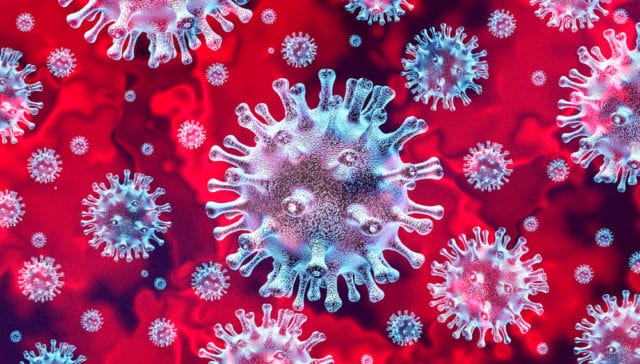
What Is This Virus?
Image credit: depositphotos.com
Coronaviruses represent a broad family of 39 known viruses. They can infect humans, birds, cats, dogs, cattle, rabbits, and pigs. Their molecular shells are adorned with spike-like, club-shaped projections resembling a crown—hence the name. These viruses target the gastrointestinal tract, nervous system, and respiratory system, causing bronchitis and pneumonia. Previously, only six of these viruses were known to infect humans, but the strain detected in China does not belong to any of these.
Where Did It Originate?
The first case of pneumonia with an unknown cause was documented in Wuhan, China, on December 12, 2019. Within less than a month, infections rose to 60, prompting Chinese authorities to acknowledge the issue. On December 31, WHO and the global community learned of an outbreak of an unidentified illness in a city of 11 million. The source was traced to a local seafood market that also sold chickens, snakes, and rabbits. Most patients were involved in trade at this location. The market was closed on January 1, 2020.
Image credit: depositphotos.com
Doctors could not determine which animal triggered the pneumonia outbreak, but by January 9, WHO had begun discussing a novel coronavirus affecting humans. At that time, seven patients were in critical condition. On January 11, China reported its first death from the virus, and two days later, the first case outside China was confirmed—a Chinese woman who had traveled from Wuhan to Thailand. On January 16, Japan recorded its first coronavirus case, and on the 17th, another patient—a 69-year-old with pneumonia—died in Wuhan.
READ In Search of Desire: How to Rekindle Passion in Bed
This situation prompted Asian governments to screen arrivals from China at airports for signs of illness. The United States joined Singapore, Japan, Thailand, Taiwan, and South Korea in implementing enhanced screening. Enhanced controls are now in place at airports in Los Angeles, New York, and San Francisco. Nonetheless, on January 20, reports emerged of a third death and 100 new coronavirus cases. Of the 473 infected individuals, 440 are from Wuhan.
On January 21, the first U.S. case was confirmed—a man from Washington who had recently visited China. Individuals suspected of having the mysterious pneumonia were also hospitalized in Shanghai, Beijing, Taiwan, Singapore, Vietnam, and South Korea. To date, 17 deaths have been confirmed, and 14 healthcare workers who had contact with a single patient from Wuhan have been infected. This confirmed person-to-person transmission via respiratory droplets.
In response, Chinese authorities fear a new surge in cases on January 25, as the country celebrates the Chinese New Year. Hundreds of millions of residents travel in crowded trains, buses, and planes to visit relatives. No doctor can predict the fatality rate of the new coronavirus, but the similar severe acute respiratory syndrome (SARS), caused by another coronavirus, can kill up to 10% of patients. Given that antibiotics are ineffective against this pneumonia, the outlook may be grim.
Symptoms, Risk Groups, and Preventive Measures
Those most at risk include children and the elderly, whose immune systems are more vulnerable. Additionally, travelers to countries where the coronavirus has been identified face higher risk. Symptoms often mimic a common cold or SARS:
- Headache;
- Dizziness;
- Weakness;
- Runny nose;
- Cough;
- Sore throat;
- Fever and elevated temperature.
Depending on disease severity, symptoms may also include shortness of breath, bronchitis, pneumonia, nausea, vomiting, and diarrhea. Since no vaccine or specific treatment exists for this formidable illness from China, care focuses on managing symptoms. Patients are advised to rest in bed, stay hydrated, and get plenty of rest.
To reduce the risk of infection, WHO recommends following the same guidelines as for influenza:
- Avoid contact with sick individuals;
- Do not touch your eyes, mouth, or nose;
- Wash hands frequently with soap and hot water for 20 seconds;
- Sanitize objects and surfaces you touch;
- Use alcohol-based hand sanitizers;
- Cover your mouth and nose with a tissue when coughing or sneezing;
- Avoid raw or undercooked meat and eggs;
- Steer clear of wild animals, and wash hands after contact with pets;
- Perform wet cleaning regularly;
- Refrain from traveling to high-risk areas.
Experts also advise temporarily halting orders from Aliexpress. Since the virus spreads via respiratory droplets, there is a risk that electronics, food, and clothing from China could be contaminated. This delivery risk may be especially high for children, who often put objects in their mouths. Until more is known, doctors recommend caution.
Featured image from medicalnewstoday.com
January Horoscope for the Zodiac Signs.