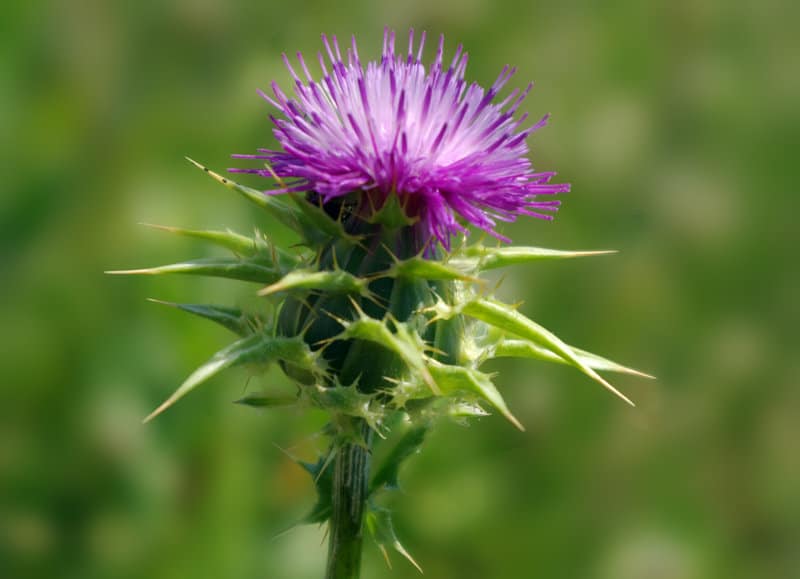
by Dena Schmidt; NaturalHealth365
Researchers at the University of California, Irvine have revealed that silibinin — a powerful flavonoid extracted from milk thistle — demonstrates remarkable effectiveness in battling human liver cancer.
Both silibinin and silymarin, two of milk thistle's most biologically active constituents, have long been recognized for defending liver tissue against harm caused by alcohol consumption and pharmaceutical toxins. Recent findings now position silibinin as a potential defender against several malignancies, with liver cancer chief among them.
Liver cancer diagnoses in the U.S. have tripled since 1980
During the investigation, human cellular samples received varying concentrations of the milk thistle-derived silibinin. The compound's notable cancer-fighting properties were tied to multiple biological mechanisms. These encompassed halting the division cycle of malignant cells, slowing tumor cell multiplication, and triggering programmed cell death (apoptosis) within cancerous tissue.
Encouraging results have also emerged for silibinin in addressing malignancies of the breast, prostate, lungs, colon, bladder, and ovaries. Historically, milk thistle has been associated with safeguarding against nonalcoholic fatty liver disease, metabolic disturbances, and infection by the hepatitis C virus. Consider this: the liver stands as the body's largest internal organ, essential to virtually every physiological function. It carries out more than 500 vital tasks, including the neutralization of harmful substances.
Tragically, liver cancer diagnoses continue climbing across America (driven primarily by unhealthy lifestyle patterns), with approximately 40,000 fresh cases emerging annually. This figure represents three times the number documented in 1980. The silibinin component of milk thistle holds genuine potential for curbing this troubling escalation.
Milk thistle counterbalances the damage inflicted by modern Western eating habits
As the liver labors to cleanse the body of toxins, milk thistle appears to guard hepatic cells against oxidative stress, refined sweeteners, harmful lipids, and additional substances notorious for compromising liver wellness.
The so-called 'Standard American Diet' (SAD) delivers an oversupply of processed sugars, dangerous additives such as MSG, detrimental fats packed with synthetic hormones and chemicals, along with numerous ultra-processed offerings that barely qualify as edible. These inferior dietary choices bear substantial responsibility for the nationwide surge in hepatic complications.
Long before a formal liver diagnosis occurs, poor nutrition readily sparks metabolic syndrome — a cluster of conditions encompassing excessive adiposity (obesity), disrupted glucose regulation (prediabetes and diabetes), elevated blood pressure, and heightened circulating lipids. Collectively, these ailments progressively undermine cardiovascular integrity and contribute to numerous cancer varieties.
Should metabolic syndrome go unaddressed, it frequently progresses to nonalcoholic fatty liver disease and overall hepatic deterioration — a direct pathway toward elevated liver cancer susceptibility.
Incorporating milk thistle may help prevent liver cancer while strengthening hepatic function
Milk thistle and its constituent compounds deliver layered defense for the liver against diverse forms of assault. Supplementing with milk thistle enables the liver to perform its duties more effectively and recover from toxic exposures such as junk food and alcoholic beverages.
Much of the contemporary liver research has relied on animal subjects or laboratory cell cultures, making precise human dosing recommendations difficult to establish. Nevertheless, numerous holistic practitioners typically suggest a milk thistle supplement intake of 420 mg daily, split across multiple administrations.
Existing clinical evidence suggests this quantity remains well-tolerated for a minimum of 41 months. Notably, research protocols have also explored substantially larger milk thistle quantities.
Closing remark: Individuals managing hepatic concerns or those seeking preventive liver support may benefit from consulting a qualified healthcare provider regarding the inclusion of milk thistle in their supplement regimen.
Sources: LifeExtension.com; WJNET.com; LifeExtension.com
READ We are living the Age of Aluminium. Most Women With Early Onset Breast Cancer Don't Need Chemotherapy
READ Human Consciousness A Result of An Ancient Virus, Say Searches