As we transition into the colder months (the ones that make you shiver), the impact of dry winter air on our skin becomes all too apparent. Battling flaky winter skin is a challenge, and even slathering on heavy creams or hydrating serums often leaves your complexion feeling parched and lackluster. Fortunately, there's a solution!
Face oil, meet skin. Skin, meet face oil.
The Complete Guide to Face Oils
What Exactly Are Face Oils?
Face oils have a long history, with women using them for centuries. Think of them as beauty elixirs—they unlock soft, dewy, and supple skin. Their primary role is to nourish the outermost layer of the skin while forming a protective barrier that prevents moisture loss.
Unlike moisturizers, face oils are not humectants and do not provide lasting hydration. However, their ingredients help repair visible signs of skin damage and give the skin an extra boost of moisture. So don't swap your daily lotions or creams for face oils; instead, treat them as a valuable addition to your skincare routine, especially during winter. It's perfectly fine to use them year-round if you have dry skin, but oily skin types should limit use to fall or winter when skin tends to be slightly drier.
Face oils are also multitaskers. Besides delivering moisture to your face in winter, they work wonders on other areas. You can apply them to dry hair ends, use them as cuticle oil, or save some for summer to mix with body lotion and soothe sunburns.
What Benefits Do Face Oils Offer?
Face oils make skin soft and smooth, and depending on the type you choose, they can even out skin tone, reduce the appearance of fine lines and wrinkles, improve elasticity, and brighten your complexion. To see real results, consider your skin type and main concerns before selecting an oil. The way you apply face oils also affects their performance, so it's crucial to master the correct application method.
Image: Pinterest
How Should You Use Face Oils?
Face oils often come in elegant glass dropper bottles that catch your eye on store shelves. Remember the #1 rule of layering: apply products from thinnest to thickest consistency.
The best time to apply face oil is at night, when your skin enters “repair” mode. Save the oil for the final step of your routine—add a few drops to your skin and let the ingredients work their magic overnight! The next morning, you'll wake up to plumper-looking skin. Instead of rubbing the oil in, pat or dab it onto your skin to enhance absorption.
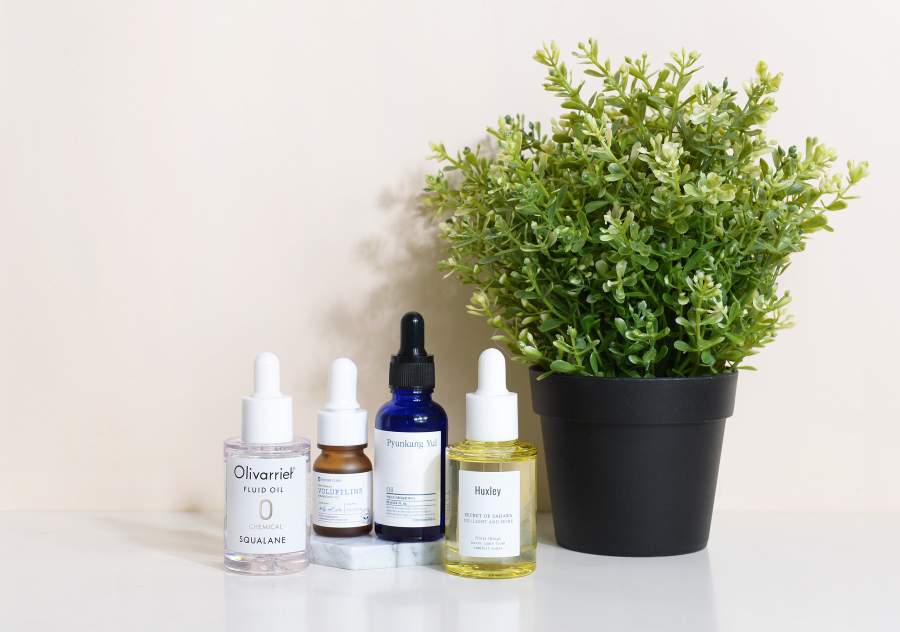
If you have dry skin, you can use face oil twice daily, every day. You can also mix a few drops with your moisturizer for an extra moisture boost. TOSOWOONG’s Volufiline 100% Botanic Oil is ideal for dehydrated skin and also helps combat signs of aging.
For oily and combination skin, the approach is different—use face oils sparingly, limiting to once per day or only on days when your skin feels tight and dehydrated. Pyunkang Yul’s Oil is a reliable choice, and it's paraben-free!
Will Face Oils Clog My Pores?
Face oils offer plenty of benefits your skin will love, but choosing the wrong oil for your skin type can lead to irritation. Regardless of your skin type, steer clear of mineral oils, as they are comedogenic and pore-clogging.
Oily skin types should also avoid coconut oil, as it can be too heavy for skin that already produces excess sebum. Coconut oil is so thick that it cannot penetrate the skin and just sits on the surface, hindering skin from breathing and ultimately clogging pores! Instead, opt for non-comedogenic oils like jojoba, geranium, argan, sunflower, tea tree, or rosehip oil—all have lightweight, non-greasy formulas and help reduce excess sebum production.
Where Should You Start?
Feeling confused about which oil to try? If you're new to face oils and overwhelmed by the vast selection, begin with some of YesStyle’s bestselling oils:
TOSOWOONG – Volufiline 100% Botanic Oil
Pyunkang Yul – Oil
Huxley – Oil Light And More
Olivarrier – Fluid Oil
“Orange Peel” On the Legs and the But: How to Get Rid of Cellulite
Discover Ancient Greek Beauty Secrets