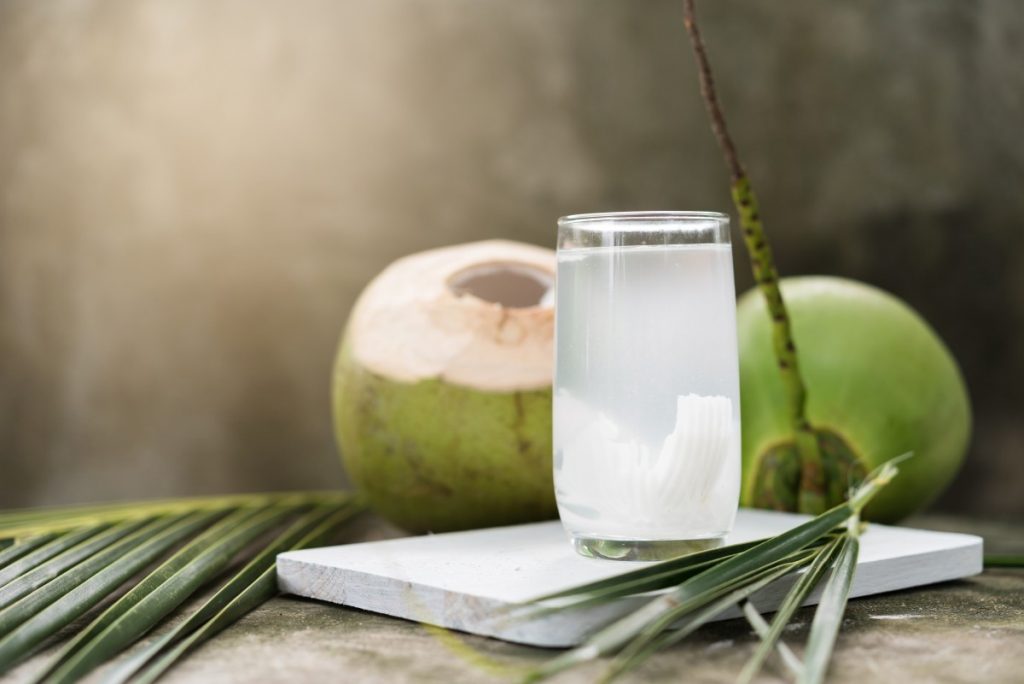
Coconut water is often hailed as a near-mythical beverage, promising everything from immortality to cures for serious illnesses like cancer. But how much of this is fact, and what are its real capabilities?
Understanding Coconut Water
Fresh coconut water served in a glass
According to Wikipedia, coconut water is the “liquid endosperm of young coconut palm fruits. As the fruit matures, oil droplets from copra enter the endosperm, turning the liquid into coconut milk, which then thickens and solidifies.” It is frequently mistaken for coconut milk, which is derived from the flesh of mature coconuts (similar to coconut oil). In contrast, coconut water is only found inside green, unripe nuts.
This beverage is refreshing, with a mildly sweet taste and a subtle nutty undertone. It contains easily digestible carbohydrates and electrolytes such as sodium and potassium, making it a low-calorie option ideal for athletes. For perspective, consider a typical sports drink: 30 ml contains 6.25 kcal, 1.75 grams of sugar, 3.75 mg of potassium, and 13.75 mg of sodium. In comparison, 30 ml of coconut water offers 5.45 kcal, 1.3 grams of sugar, 61 mg of potassium, and 5.45 mg of sodium—meaning less sugar, fewer calories, and higher potassium and sodium levels.
Coconut Water Nutritional Profile:
- Vitamins: C, B1, B2, B3 (PP), B4, B5, B6, B9;
- Macroelements: calcium, potassium, sodium, magnesium, sulfur, phosphorus;
- Trace elements: iron, zinc, copper, manganese, selenium;
- Proteins;
- Fats: saturated fatty acids, monounsaturated fatty acids (omega-9), polyunsaturated fatty acids (linoleic and omega-6);
- Easily digestible carbohydrates;
- Dietary fiber;
- Ash;
- Essential amino acids: arginine, valine, tryptophan, phenylalanine, threonine, methionine, lysine, leucine, isoleucine, histidine.
Coconut Water and Blood Plasma
Pouring coconut water
Human blood consists of plasma and suspended formed elements—red blood cells, along with a small number of white blood cells and platelets. Red blood cells give blood its characteristic red hue.
Plasma is the liquid component of blood, comprising water and dissolved substances such as proteins (albumin, globulins, and fibrinogen) and other compounds. About 90% of plasma is water, with inorganic substances making up roughly 2-3%, including cations (Na+, K+, Mg2+, Ca2+) and anions (HCO3–, Cl–, PO43−, SO42−).
The notion that coconut water could substitute for blood plasma emerged during World War II due to its isotonic properties. When saline was scarce, coconut water was administered intravenously to patients, a practice also used during the Vietnam War. However, these were emergency measures. In reality, coconut water more closely resembles the fluid inside red blood cells. Its high calcium and magnesium content makes it unsuitable for individuals with kidney failure or severe burns.
Consequently, modern medical professionals advise against this practice, though it undeniably saved many lives in the past.
Health Benefits
Rehydrating with coconut water
Antioxidant Properties
Coconut water contains antioxidants that help shield cells from damage. Animal studies involving toxin exposure have shown that these antioxidants can neutralize free radicals, preventing harm.
For instance, rats on a high-fructose diet treated with coconut water exhibited reduced free radical activity, along with lower blood pressure, triglycerides, and insulin levels.
However, similar human studies have yet to be conducted.
Natural Isotonic Beverage
As noted, coconut water's composition is excellent for active individuals, aiding in restoring sodium and potassium balance (electrolyte balance). However, it contains less sodium—the primary electrolyte lost through sweat—and fewer carbohydrates than artificial sports drinks. Therefore, it is better suited for consumption after exercise rather than during. With its high water content (94%), it effectively quenches thirst without causing nausea while partially replenishing electrolytes lost through sweat.
Aids Post-Exercise Recovery
Post-workout recovery with coconut water
Intense training can deplete magnesium levels, leading to cramps, restless leg syndrome, and muscle spasms.
The abundant calcium and magnesium in coconut water not only strengthen bones but also support normal muscle function and faster recovery. Magnesium acts as a transporter, helping to deliver calcium and potassium to muscle tissues.
Contains Cytokinins
Cytokinins are plant hormones that promote growth. These compounds are believed to slow aging and offer anti-cancer benefits, though research remains insufficient.
Cytokinins are a class of plant hormones from the 6-aminopurine series that stimulate cell division (cytokinesis). This ability underpins their roles in plant development, such as maintaining the apical shoot meristem. Additionally, cytokinins facilitate nutrient transport into cells, inhibit lateral root growth, and delay leaf aging.
Supports Heart Health and Lowers Blood Pressure
Consuming coconut water can reduce blood triglycerides and cholesterol. While studies on rats have shown these effects, translating them to humans suggests that a 68 kg adult would need to drink 2.7 liters of coconut water daily to achieve similar results.
Regarding blood pressure, coconut water improved systolic blood pressure in 71% of study participants. Its high potassium content helps lower blood pressure in individuals with elevated or normal levels.
Systolic blood pressure, the top number, indicates arterial pressure when the heart contracts and pushes blood out. It depends on heart contraction strength, vessel resistance, and contraction frequency.
Another notable benefit is its potential to prevent blood clot formation.
Helps Prevent Kidney Stones
Coconut water for kidney health
Proper kidney function requires adequate fluid intake. While plain water works well, one study suggests coconut water may be even more effective.
It discourages crystal adhesion to the kidneys and urinary tract and reduces crystal formation in urine.
Additionally, coconut water benefits skin and hair when used both internally and externally as a home cosmetic. A simple and safe method is to apply a small amount to a cotton pad and wipe it over the face.
Where to Enjoy the Best Coconut Water
Tropical paradise with fresh coconuts
The ideal way to experience coconut water is where coconuts grow naturally, allowing you to enjoy a young nut freshly picked from the tree.
Koh Samui in Thailand, originally known as a coconut island, is famous for its coconut sweets, French dairy products, rum made from coconut sugar, and coconut oil-based cosmetics (Tropicana).
Many tropical destinations offer excellent opportunities to taste fresh young coconuts while enjoying a vacation: the Philippines, India (especially the coast), Malaysia, Thailand, Indonesia (Bali), the Seychelles (particularly Mahe), and the Maldives—there are plenty of choices!
Featured image from unsplash.com
Follow GoSeekNest on Pinterest and Instagram