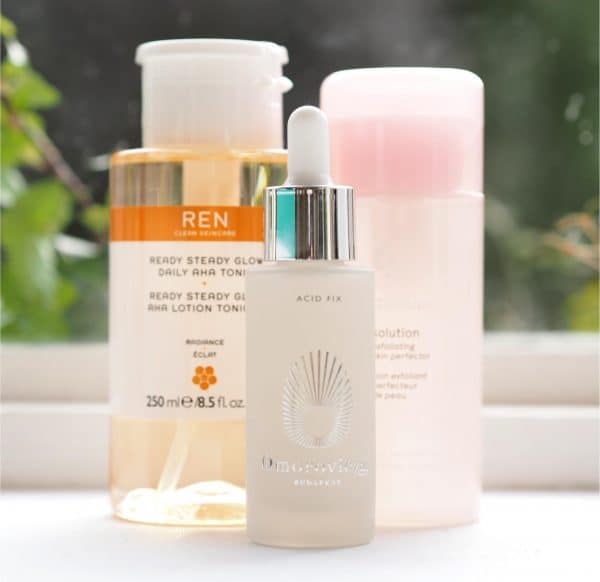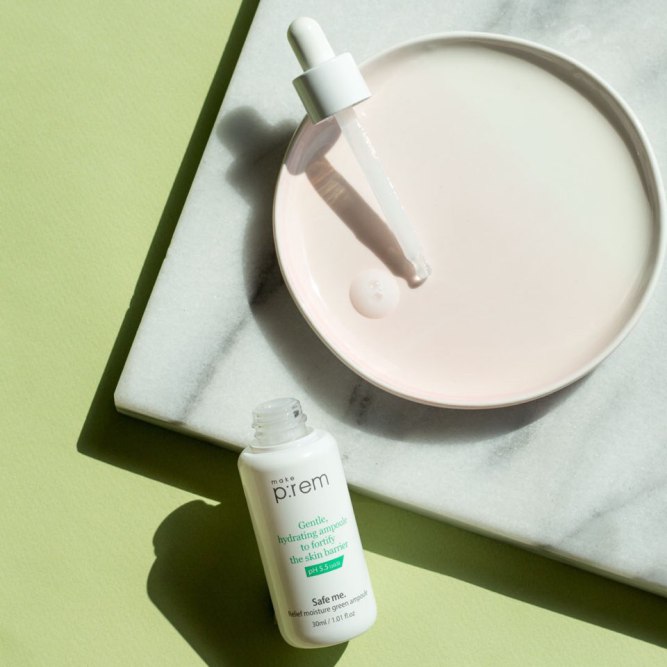
Have you ever felt like your red, irritated skin was out to get you? I certainly have. As someone with extremely sensitive skin, maintaining a calm complexion can be a total nightmare. There are moments when it gets so aggravated that even my trusted products sting upon contact. This issue, dear readers, comes from my unhealthy addiction to exfoliation. There’s a thin line between silky-smooth skin and over-exfoliation, and unfortunately, I tend to cross it. The official term for this particular problem? A compromised moisture barrier.
Not sure what a moisture barrier even is, let alone how to avoid damaging it? Lucky for you, I have all the details — and you’ll be thrilled to learn that keeping irritation and dryness in check is actually quite simple. Keep reading to find out everything you need to know, plus how a lesser-known ingredient, Green Propolis, can perform miracles to leave your skin hydrated and healthy.
Understanding Your Skin's Moisture Barrier
To break it down, we need to discuss the biology of your skin. Your skin consists of multiple layers. The outermost one is called the stratum corneum. This layer is also known as your moisture barrier. Its job is to shield your skin from harmful bacteria, environmental pollutants, water loss, and other irritants. A healthy barrier is composed of a blend of lipids such as cholesterol, fatty acids, and ceramides, which help keep the skin hydrated and balanced.
How to Tell If Your Moisture Barrier Is Compromised
This is where understanding pH and your skin becomes crucial. Typically, skin with a healthy moisture barrier has a pH between 4.2 and 5.6, making it more acidic. This pH range is ideal because it protects the skin from harmful bacteria that could cause damage. The primary indicator of a damaged moisture barrier is that your skin’s pH is off balance. Of course, not everyone can test their skin’s pH. However, there are several symptoms that can signal it needs some extra care. Classic signs include dryness, flakiness, itching, tightness, redness, and even breakouts.
If your skin suddenly feels drier and more reactive than usual, it could be due to a damaged barrier. If you’re experiencing irritation you’ve never encountered before, that might be a clue that your skin is out of equilibrium. This imbalance can even trigger or worsen conditions like eczema, psoriasis, and dermatitis. So it’s essential to pay attention to your skin and recognize when it needs assistance.
Steps to Restore Your Barrier
Repairing your moisture barrier is surprisingly straightforward — it just requires time and the right combination of products. Remember, the barrier consists of lipids, cholesterol, fatty acids, and ceramides. So to restore it, you need to provide it with what it craves. Look for products rich in these ingredients, and they will gradually but surely repair your barrier and bring your skin back to its healthy state. You should also steer clear of any form of exfoliation and harsh cleansing agents like sodium lauryl sulfate (SLS). These will only weaken your skin further and make recovery more difficult.
Green Propolis: The Game-Changing Ingredient for Barrier Repair
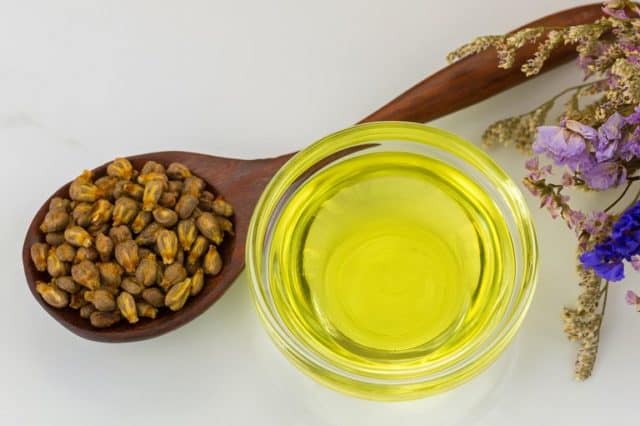
Consider adding Green Propolis to your skincare routine. This remarkable ingredient comes from bees in Brazil that collect resin from the young plant tissue of a specific shrub, Baccharis dracunculifolia, which contains high levels of chlorophyll. This ultra-potent ingredient is loaded with antioxidants and flavonoids, which shield the skin from environmental stress and provide instant soothing relief from irritation. The new Make P:rem Moisture Green Ampoule is packed with Green Propolis to calm and revitalize the skin like nothing else. This repairing ingredient is also anti-inflammatory and antiseptic, meaning it both soothes the skin and fights acne-causing bacteria. This serum also has a gentle, low pH of 5.5, so it won’t disturb your skin’s natural balance. This means you can hydrate, soothe, and repair your skin without any irritation.
Curious about Green Propolis or your moisture barrier? Share your thoughts below!