Whether you're a fan of natural skincare or stick to conventional cosmetics, it's important to acknowledge the benefits of natural oils. These oils are key ingredients in many skincare formulations. Among them, grape seed oil is particularly noteworthy because it suits all skin types.
Exploring Grape Seed Oil
Derived from grape seeds, this oil can address various skin issues and may even substitute for some of your regular beauty items. In this article, you'll discover how to apply it and the advantages it offers.
Understanding Grape Seed Oil
Source: hips.hearstapps.com
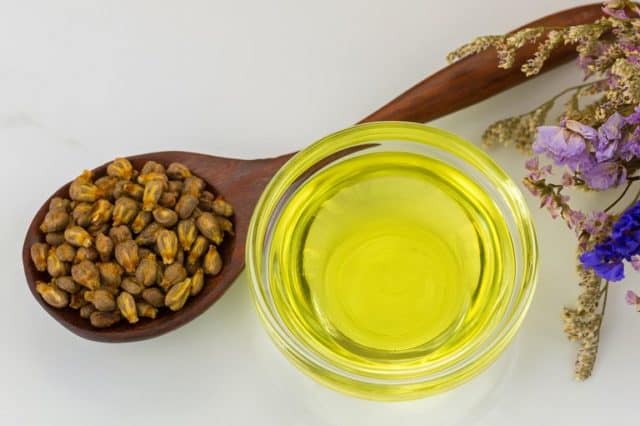
Grape seeds are a byproduct of wine production. While multiple methods exist for extracting oil from them, cold-pressing is the preferred technique for cosmetic use.
Cold-pressed oils retain greater efficacy because they undergo no heating, distillation, or processing. This method helps maintain their antioxidant, anti-inflammatory, and antimicrobial qualities.
Advantages for Your Skin
Image credit: hips.hearstapps.com
Rich in vitamins, acids, and beneficial fats, grape seed oil offers multiple skin benefits:
- Combats acne. Linoleic acid and omega-6 fatty acids in the oil help prevent pore blockages. Skin prone to acne lacks linoleic acid, causing sebum to thicken and obstruct pores. Thanks to its anti-inflammatory and antimicrobial effects, grape seed oil works well as a carrier for tea tree oil. Additionally, vitamin E in the oil can diminish the visibility of acne scars.
- Shields against free radicals. Antioxidants like vitamin C, vitamin E, and proantrocyanidin help counteract environmental damage and the effects of free radicals—unstable molecules that harm body cells.
- Hydrates the skin. Linoleic acid incorporates into cell membranes, reinforcing the skin barrier and providing moisture and softness. Vitamin E restores depleted lipids—natural fats that support the protective barrier and lock in moisture.
- Soothes inflammation. Linoleic acid’s anti-inflammatory qualities can alleviate swelling in both the epidermal (top) and dermal (middle) skin layers. Furthermore, phytosterols present in grape seeds help regulate the skin’s inflammatory reactions.
- Reduces wrinkles. Polyphenols in grape oil combat early signs of aging, enhancing skin elasticity.
Incorporating Grape Seed Oil into Your Routine
Source: hips.hearstapps.com
Thanks to its lightweight consistency, grape seed oil fits seamlessly into your daily skincare regimen. It’s also versatile—use it as a carrier for essential oils, or mix it into lotions, creams, or serums.
Always perform a patch test first. Apply a small amount to the inside of your elbow; if no redness or irritation appears within 24 hours, it’s safe to use.
How often you use it depends on the severity of your concerns and your goals. Begin by mixing a few drops into your daily moisturizer. Later, you can incorporate it into your night cream, lotion, or apply it directly to hair, perhaps combined with an essential oil.
Share the benefits of grape seed oil with your friends!