Combined social media engagement and shares
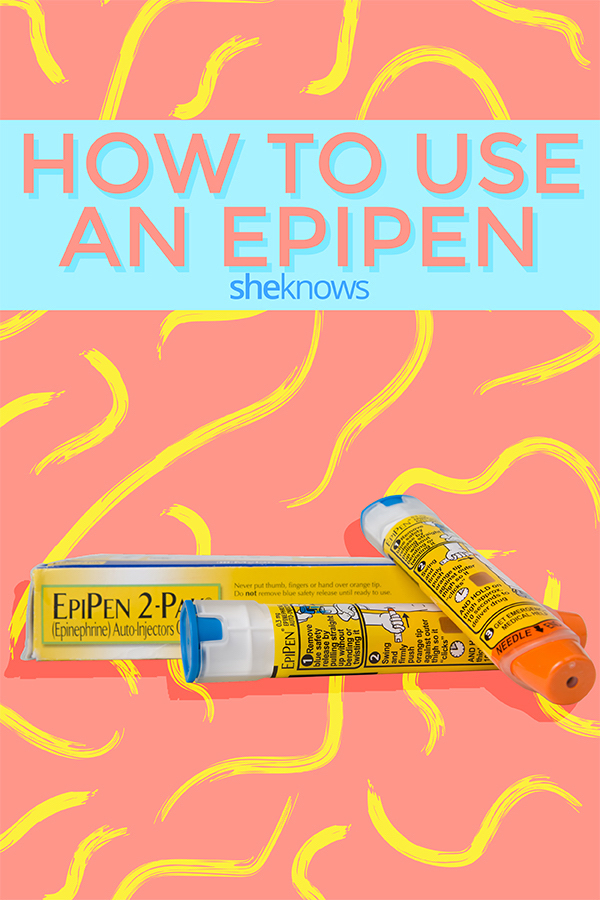
When faced with a life-threatening allergic reaction—for yourself or a loved one—do you know the proper response? If you’ve already received a diagnosis and keep an EpiPen ready, are you confident in how to operate it? This guide explains how EpiPens function, the right moments to deploy them, and, most crucially, the correct technique for administration.
Mastering the EpiPen: A Practical Guide
Understanding the EpiPen Device
We consulted Tonya Winders, CEO and president of the Allergy & Asthma Network, along with Dr. Purvi Parikh, an allergist and immunologist at the same organization, to gain insight into severe allergies and EpiPen mechanics.
Let’s start with the device itself. An EpiPen is an auto-injector that allows patients to self-administer epinephrine (also called adrenaline). It enables the user—or a caregiver—to deliver the medication swiftly without needing to measure a dose or fill a syringe—a critical advantage in emergencies where every second counts.
Related: The Reality of Semen Allergies and Their Impact on Conception
How does epinephrine work? Winders explains: “During a life-threatening allergic reaction, epinephrine counteracts symptoms by narrowing blood vessels, which restores normal blood pressure, and by accelerating heart rate to enhance circulation. Since breathing is often compromised, adrenaline relaxes airway muscles, making it easier to breathe.”
Recognizing When to Administer
Dr. Parikh highlights several symptoms that warrant immediate EpiPen use: any skin reaction—like hives, itching, or swelling—combined with vomiting, dizziness, wheezing, or shortness of breath. This constellation of symptoms defines anaphylaxis, a medical emergency that can be fatal if untreated.
If you’re uncertain, it’s safer to err on the side of caution. “When in doubt, we always advise using the EpiPen, because the risk of delaying treatment far outweighs the downside of an unnecessary injection,” she notes.
Food allergies are the most frequent trigger for anaphylaxis. Other common causes include insect stings and medications. However, Parikh warns that any allergy can escalate to anaphylaxis if the reaction is intense enough.
Related: Do Your Allergies Really Shift Every Seven Years?
Step-by-Step Administration Instructions
First, note that every EpiPen carries printed instructions on its body, and each package includes a practice trainer—this lets you rehearse without actually piercing your thigh (it emits a loud click but no needle emerges). Below are detailed steps from Winders (keep in mind other epinephrine auto-injectors exist, so always follow their specific directions precisely).
- Take the auto-injector out of its protective case. Verify that the expiration date hasn’t passed and the liquid inside appears clear.
- According to the device’s guidance, remove the safety cap(s). Keep your hand and fingers clear of the needle end.
- Grip the injector in your fist, with the needle end (typically red or orange) pointed away from your thumb. Press the needle end firmly against the outer thigh (upper leg). Avoid injecting into the buttocks or any other body part. The needle can penetrate clothing if needed.
- Push down firmly to release the needle and deliver epinephrine into the outer thigh. Hold the leg steady during the injection.
- After injection, follow the device’s timing instructions—usually a few seconds—until all the medication is administered.
- Remove the device and massage the injection site for 10 seconds.
- Some injectors retract the needle back into the case after use; others leave it exposed. If the needle remains out, carefully reinsert the injector—needle first—into its carrying case. Don’t worry if liquid remains inside; the device is engineered to deliver the correct dose.
- Never attempt to reuse the same pen for another injection.
- Call 911 right away. Inform the dispatcher that you’ve administered epinephrine for a suspected anaphylactic reaction. Arrange transportation to an emergency department for further care.
- Do not discard the auto-injector yourself. Hand it to the emergency medical team and indicate where the injection was given.
Consequences of Improper Use
Correct usage of an EpiPen is vital. Winders states: “Epinephrine is a life-saving medication. If it isn’t delivered or the dose is insufficient, it cannot help the patient.” Because anaphylaxis can lead to death, proper technique is non-negotiable.
Related: Could Your Cold Symptoms Actually Be Allergies?
Although recent FDA reports indicate a slight increase in mechanical failures of the EpiPen itself, such incidents remain extremely uncommon.
“While we discuss device failures, this is a life-saving medication, and the device is reliable with very few exceptions,” Winders emphasizes. “It remains crucial for individuals at risk of anaphylaxis to carry their auto-injector at all times.”
No one wishes to endure a severe allergic reaction, but it’s essential to become familiar with your emergency medication—including EpiPens—to recognize warning signs and have a response plan ready. Always consult your own physician and be prepared to summon emergency services if needed; that action could mean the difference between survival and tragedy.
Photo credit: Getty Images / Design by Ashley Britton for SheKnows



%22%20%2F%3E%0A%20%20%20%20%20%20%3Cstop%20offset%3D%22100%25%22%20stop-color%3D%22hsl(325%2055%25%2077%25)%22%20%2F%3E%0A%20%20%20%20%3C%2FlinearGradient%3E%0A%20%20%3C%2Fdefs%3E%0A%20%20%3Crect%20width%3D%221200%22%20height%3D%22750%22%20fill%3D%22url(%23bg)%22%20%2F%3E%0A%20%20%3Ctext%20x%3D%22600%22%20y%3D%22286.5%22%20text-anchor%3D%22middle%22%20fill%3D%22hsl(274%2052%25%2036%25)%22%20font-family%3D%22Inter%2C%20ui-sans-serif%2C%20system-ui%2C%20sans-serif%22%20font-size%3D%2224%22%20font-weight%3D%22700%22%20letter-spacing%3D%220.22em%22%3ELIFESTYLE%3C%2Ftext%3E%0A%20%20%3Ctext%20text-anchor%3D%22middle%22%20fill%3D%22hsl(243%2038%25%2020%25)%22%20font-family%3D%22Georgia%2C%20'Times%20New%20Roman'%2C%20serif%22%20font-size%3D%2250%22%20font-weight%3D%22700%22%3E%3Ctspan%20x%3D%22600%22%20y%3D%22351.5%22%3EStephen%20Hawking%20Reveals%20His%3C%2Ftspan%3E%3Ctspan%20x%3D%22600%22%20y%3D%22410.5%22%3ETheory%20on%20What%20Existed%20Prior%20to%3C%2Ftspan%3E%3Ctspan%20x%3D%22600%22%20y%3D%22469.5%22%3Ethe%20Big%20Bang%3C%2Ftspan%3E%3C%2Ftext%3E%0A%3C%2Fsvg%3E)