by Lori Alton; NaturalHealth365
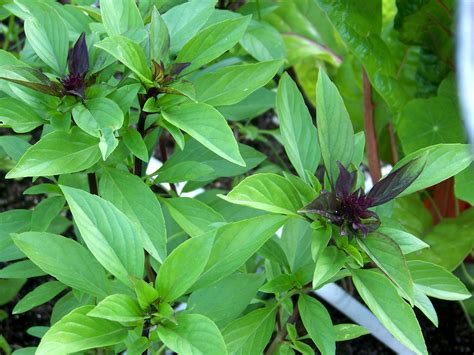
For millennia, tulsi (the Sanskrit name for holy basil) has occupied a place of honor in traditional Indian Ayurvedic medicine, where practitioners have long celebrated its curative potential. Modern scientists, meanwhile, are now turning their attention to Ocimum sanctum — tulsi's botanical name — for its capacity to buffer the body against persistent stress and block the proliferation of cancer cells.
Today's discussion centers on the broad therapeutic value of this remarkable botanical.
Tulsi stands out as a premier daily-use adaptogen
By definition, adaptogens reinforce immune defenses, optimize physiological performance under pressure, and help shield the body from illnesses including cancer. With its antioxidant, anti-inflammatory, and immunity-strengthening properties, holy basil checks every box.
A quick note of clarification: don't mistake holy basil for sweet basil (Ocimum basilicum), the aromatic Mediterranean culinary herb stocked in supermarkets. Holy basil — also referred to as "Asian basil" — is native to India and contains a distinct set of active compounds and characteristics.
Tulsi operates at microscopic and biochemical scales to combat disease
Laboratory research on cells has demonstrated tulsi's ability to mend tissues harmed by oxidative stress and even to restore DNA damaged by radiation — qualities that lend it chemopreventive value. One of its key constituents, (E)-beta-caryophyllene, commonly abbreviated BCP, functions as a potent inflammation fighter.
Scientists note that tulsi operates much like prescription anti-inflammatory medications, dialing down production of the pro-inflammatory enzyme COX-2 to ease pain and swelling, yet it accomplishes this without the adverse reactions associated with pharmaceutical options.
Beyond that, tulsi can help ease anxiety, depression, and sleep disturbances triggered by stress. The University of Maryland Medical Center describes this calming botanical as a useful intervention for post-traumatic stress disorder, and numerous holistic physicians frequently prescribe it for adrenal support.
Studies validate tulsi's stress-buffering benefits
The damaging impact of unrelenting stress has been well documented by researchers. Extended stress erodes the nervous system, weakens immune defenses, and may trigger increased hunger and weight accumulation. When it comes to mitigating stress, tulsi may well represent the pinnacle of calming botanicals.
Tulsi has been documented to lower concentrations of stress hormones, particularly corticosterone and cortisol. Reduced corticosterone levels support sharper cognitive performance and may lower the likelihood of age-related neurological decline.
A 2012 investigation showed that tulsi boosted levels of dopamine and 5-hydroxytryptamine (serotonin) in rats exposed to noise-induced stress. The research team reported tulsi to be 39 percent more effective than placebo in addressing stress symptoms — a statistically meaningful finding.
In a 2005 report appearing in the Journal of Ethnopharmacology, researchers administered a tulsi extract to rats over 7 days before exposing them to noise stress. The findings revealed that treated animals did not undergo the typical noise-induced drop in brain acetylcholine or the rise in acetylcholinesterase, illustrating the protective capacity of this plant.
Scientists urge deeper investigation of tulsi's promising anticancer actions
Tulsi contains a wealth of robust antioxidants — eugenol, apigenin, luteolin, rosmarinic acid, and beta-sitosterol among them. Notably, studies show tulsi can both halt the multiplication of cancer cells and initiate programmed cell death within malignant growths.
In a Journal of Ethnopharmacology study, tulsi seed oil produced a marked decrease in the size and frequency of chemically induced tumors in mice. The treatment enhanced the function of natural antioxidants such as superoxide dismutase and glutathione, prompting researchers to attribute the oil's chemopreventive effects to its powerful antioxidant profile.
A recent paper in Nutrition and Cancer reported that multiple tulsi components — eugenol, rosmarinic acid, luteolin, beta-sitosterol, and carnosic acid — blocked chemically induced cancers of the skin, liver, mouth, and lungs. Tulsi's multifaceted anticancer arsenal includes ramping up antioxidant defenses, modifying gene expression patterns, triggering apoptosis, cutting off the blood supply to tumors, and halting metastasis — a truly formidable set of cancer-combating capabilities.
Two tulsi flavonoids, orintin and vicenin, were additionally shown to guard against the tumor-promoting consequences of radiation exposure while shielding cellular DNA from harm. Not surprisingly, the research team advocated for further studies to confirm tulsi's role in cancer prevention and therapy.
What's the best way to use tulsi?
Tulsi is sold in capsule form. Choose a standardized preparation that lists eugenol, caryophyllene, and triterpenoic acids among its components. Some holistic health practitioners caution against purchasing tulsi from China due to potential heavy metal contamination.
Holistic health practitioners suggest 400 mg of a standardized extract each day, though it's wise to speak with your doctor first, since tulsi has blood-thinning properties and may interact with certain drugs or supplements.
You can also steep tulsi root to make tea, or incorporate the tangy, mildly peppery leaves into soups, salads, or casseroles for a flavor boost. The leaves pack a robust taste, so a bit of trial and error may be needed to keep the flavor balanced.
READ Irina Shayk showed a picture of her mother in her youth and proved to everyone that her beauty is real!
Calming and adaptogenic, tulsi can lift depression, anxiety, and sleeplessness while offering cancer-protective benefits. This healing plant, long cherished in traditional medicine, is finally earning recognition as a modern stress-buster and chemopreventive agent.
Sources: Adrenaladvice.com; Medicinehunter.com; NIH.gov; NIH.gov; NIH.gov