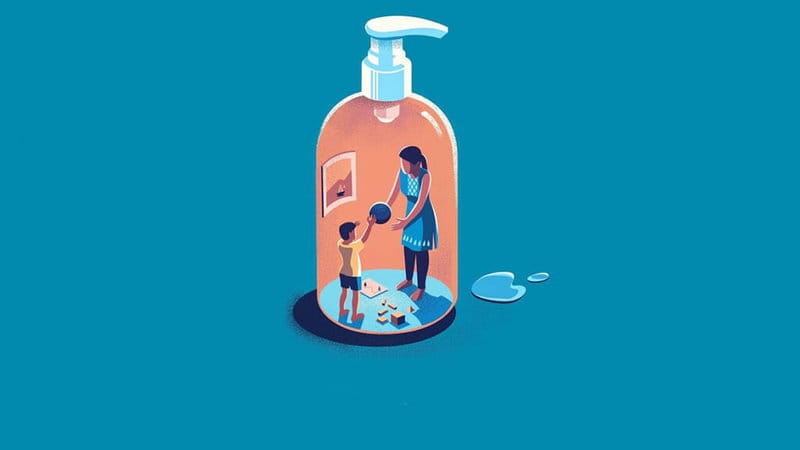
The headlines are uplifting. The coronavirus emergency is winding down; stores and parks are reopening around the world. Workers are returning to their jobs and trying to resume everyday routines. Yet for some, this shift feels impossible. "I'm scared to live" has become one of the most frequent complaints brought to physicians today. So what explains this widespread dread of simply existing?
The threat of catching coronavirus hasn't vanished. Economic instability continues to mount. We've suddenly been thrust into an unfamiliar reality that demands constant adjustment: wearing masks even in sweltering weather, keeping significant distance from strangers, securing permits just to run errands, and vigilantly avoiding contact with your face. Heaven forbid you sneeze inside a shop, because the "epidemiological squad" — embodied by pension-aged grandmothers queued at the register — will practically descend upon you with pitchforks blazing.
Begin by confronting the truth: this crisis is far from finished. In some respects, it's only just starting. The world's rules have grown far more complex, and there's no going back. For certain people, that translates into hunting for fresh employment; others will need to retrain entirely; some have lost family members to the pandemic, while for others, lockdown culminated in marital breakdown.
Managing Coronavirus Anxiety: Practical Self-Help Strategies
Important questions
Your personal world may now feel shattered. The initial move is admitting that reality. Once you do, you can begin moving forward. Where to begin? Start by posing a few questions to yourself.
"What do I want?"
The past couple of months may have offered you a rare chance to truly hear your inner voice and recognize that your current life doesn't align with your desires.
"What exactly am I afraid of?"
Beneath the phrase "I'm afraid to live," there's usually a specific dread lurking. It could be terror of failure, a sensation that existence is pointless, anxiety about imperfect performance, or worry about being judged. Try answering yourself truthfully: what precisely frightens you?
"What can I change?"
We have no power over how aggressive the coronavirus is, so COVID-19 stays highly transmissible — that's simply a fact. But we can pick up books, exercise, phone our relatives, master fresh skills, submit applications for new positions, or… simply pause. Absolutely, occasionally doing nothing is essential in order to alter something. If you feel lost and unsure how to carry on, grant yourself a brief interlude. If you can, try a short digital detox — spend that time in quiet, away from social media and television. That may be precisely when the answers you've been seeking arrive on their own.
How to deal with excessive anxiety
Below are several straightforward nutrition and lifestyle pointers to help your brain shake off feelings of dread and uncertainty:
15+ FOODS TO HELP MANAGE STRESS, DEPRESSION AND ANXIETY
HOLY BASIL WORKS TO REDUCE STRESS AND DEFEAT CANCER
FIGHT INSOMNIA OR HOW TO MAKE HONEY REMEDIES TO HELP YOU FALL ASLEEP NATURALLY
POWERFUL 15 GOOD HABITS THAT WILL IMPROVE YOUR LIFE THIS YEAR
HOW TO LIVE SIMPLE LIFE RIGHT WHERE YOU ARE!
Move around
Physical activity is the simplest method to "jolt" your brain awake. Even a brisk twenty-minute stroll enhances whole-body circulation and delivers a small dose of dopamine, giving you drive to tackle tasks. Seize that opportunity and take action — it'll ignite the dopamine feedback loop and divert your mind from worry.
Make a decision
We frequently stall on choices, terrified they might be wrong. Yet confronting the fallout of a poor decision beats the torment of doing nothing and remaining suspended in uncertainty.
Just get started
Yogis have a famous saying: the hardest part of yoga is unrolling the mat — meaning, simply beginning. This applies to anything that triggers fear. Sometimes you just have to dive in without obsessing over whether the outcome will satisfy you or whether you'll do it well. After all, a small effort beats no effort at all. A disappointing outcome is a lesson that helps you sidestep the same missteps going forward.
Use the principle of "two things a day"
Pick out two modest tasks to accomplish each day. Baking a cake, helping a youngster with schoolwork, doing your nails, or polishing up your CV are perfect examples. Steer clear of attempting everything at once — that path leads straight to frustration. Two manageable tasks, on the other hand, leave you feeling capable and motivated for the next day's agenda.
Contact a specialist
There are times when the words "I'm afraid to live" mask deeper troubles. These could include suicidal thoughts tied to depression, a "don't live" mindset absorbed in childhood, social anxiety disorder, or other issues. In such cases, guidance from a psychiatrist — and occasionally a psychotherapist — is essential. Don't hesitate to reach out for expert assistance when you need it.