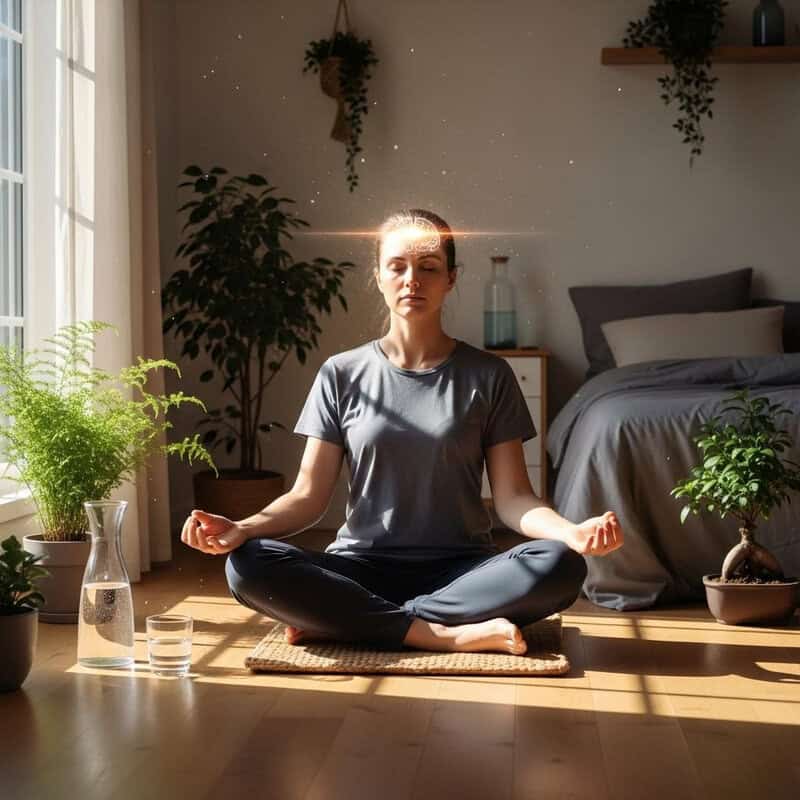
Once viewed as an unconventional spiritual ritual, meditation has surged into popular culture due to its remarkable influence on contemporary life. Across workplaces and university campuses alike, growing numbers of individuals are embracing meditation to elevate their health, alleviate everyday stress, and sharpen their performance. This article examines how weaving meditation into your daily rhythm can trigger meaningful lifestyle shifts, nurturing sharper focus, steadier emotions, and stronger inner resilience.
No matter if you're just starting out or aiming to refine an existing practice, you'll encounter actionable insights and research-backed advantages. By the conclusion, you'll grasp why meditation is revered for its life-changing potential and how it can serve as a foundation for a more conscious, balanced existence. For additional details, visit Mindful.org.
The Benefits of Meditation
Meditation nurtures calm, sharper thinking, and emotional stability for enduring personal wellness. | Generated by Google Gemini
Meditation delivers a wide array of research-supported advantages, establishing it as a vital resource for personal development and wellness. Consistent practice can notably lower stress levels by encouraging relaxation and reducing cortisol along with other stress hormones. Additionally, it sharpens cognitive function, enabling improved concentration and more deliberate choices throughout each day.
Beyond this, meditation cultivates emotional equilibrium, empowering you to face difficulties with heightened composure and adaptability. The positive effects also reach better sleep patterns, deeper self-knowledge, and even enhanced immune function. Adopting meditation genuinely elevates every dimension of your daily existence. To explore the scientific foundations of meditation's merits further, visit Harvard Health Publishing.
Creating a Dedicated Meditation Space
A peaceful home meditation nook featuring warm lighting, comfortable pillows, and soothing organic touches. | Generated by Google Gemini
Setting aside a specific area for meditation plays a crucial role in nurturing a steady and pleasurable routine. Select a peaceful corner in your residence where interruptions are minimal. Build the atmosphere using soothing features like gentle illumination, plush cushions, aromatic elements, or tranquil melodies. Individual flourishes such as greenery or meaningful keepsakes can also lend warmth to the setting.
Sticking to a regular schedule matters greatly—aim to practice meditation in one fixed location and at a consistent hour each day to strengthen your habit. A serene setting reduces potential disturbances and communicates to your brain that the moment has come to release tension and concentrate. For additional advice on designing your personal meditation corner, visit Chopra.
Choosing Your Meditation Technique
Explore a range of meditation methods, including mindfulness, breath focus, guided visualization, and mantra repetition. | Generated by Google Gemini
A broad spectrum of meditation methods awaits exploration, each presenting its own distinct rewards. Mindfulness practice centers on acknowledging the here and now, whereas guided sessions employ recorded narration to walk you through relaxation and imagery exercises. Breath-centered techniques highlight monitoring your inhalation and exhalation to stabilize focus and quiet mental chatter.
Additional approaches, including loving-kindness and mantra-based meditation, address varied objectives and tastes. Trying out different styles helps you identify one that matches your individual aims, whether you're pursuing anxiety relief, emotional recovery, or sharper concentration. When a method resonates with you, the practice becomes more rewarding and sustainable. For an extensive guide to meditation styles, visit Headspace.
Establishing a Consistent Practice
Build a steady meditation routine through achievable targets, helpful prompts, and regular tracking for sustained development. | Generated by Google Gemini
Regularity forms the foundation of any meditation practice that yields meaningful change. Begin with attainable targets, such as sitting for five to ten minutes each day, and slowly extend your sessions as you feel at ease. Leverage prompts—through phone alerts or calendar notifications—to transform meditation into an unbreakable element of your schedule.
Documenting your journey in a notebook or through meditation applications can fuel drive and deliver feelings of achievement. Bear in mind that occasional skipped sessions are perfectly fine; just resume your practice without self-criticism. Eventually, daily meditation will feel automatic, revealing its complete spectrum of rewards. For additional methods on forming an enduring habit, visit The New York Times Meditation Guide.
Integrating Mindfulness into Daily Life
Embedding mindfulness into everyday activities boosts awareness, eases tension, and elevates overall health. | Generated by Google Gemini
Extending meditation principles past your formal sessions can dramatically uplift your everyday experience. By infusing mindfulness into routine tasks—like dining, strolling, or tackling job responsibilities—you develop heightened attentiveness and presence across your entire day. Modest gestures such as tasting your food without screen interference, tuning into your breathing while walking, or devoting complete focus to a project can diminish anxiety and enhance overall wellness.
These moments of presence enable you to react with intention rather than impulse, nurturing emotional stability and inner fortitude. As months pass, weaving mindfulness into ordinary habits produces a more peaceful and satisfying existence. For actionable approaches to embed mindfulness into your daily schedule, visit PositivePsychology.com.
Overcoming Common Challenges
Conquering typical meditation hurdles using practical solutions for restlessness, busy schedules, and flagging enthusiasm. | Generated by Google Gemini
Numerous individuals face hurdles during their meditation path, including agitation, tight schedules, or waning enthusiasm. To counter restlessness, experiment with briefer intervals or add light stretching prior to sitting. When time proves scarce, keep in mind that even a handful of dedicated minutes holds value—try practicing during lunch breaks or just before sleep.
Drive levels may rise and fall, so maintain achievable benchmarks and acknowledge minor victories along the way. Participating in a community or leveraging guided meditation platforms can supply encouragement and fresh ideas. The essential approach involves meeting obstacles with gentleness and self-kindness, recognizing that perseverance paves the way to enduring change. For extra support in navigating meditation struggles, visit Mindful.org: Getting Started with Mindfulness.
Conclusion
Adopt meditation to achieve equilibrium, inner strength, and long-term contentment via consistent mindful practice. | Generated by Google Gemini
Meditation presents a potent route toward an existence marked by equilibrium, strength, and deep satisfaction. Through appreciating its advantages, carving out a personal area, selecting fitting methods, and embedding mindfulness into ordinary life, anyone can undergo substantial personal growth.
Working through typical difficulties accompanies the process, and steady commitment unlocks enduring benefits. Launch your meditation routine now, and grant yourself room to flourish and develop. For further help and resources, browse platforms like Calm or Mindful.org to support your next move.