The connection between diet and acne is significant. Today, countless external products exist to maintain healthy skin or address existing issues. However, skin diseases, a decline in appearance, and breakouts can all stem from nutritional imbalances—either too little or too much of certain nutrients, or deficiencies in macro- and micronutrients. Moreover, many conditions affecting the endocrine, digestive, immune, and other systems involve metabolic disruptions that often show up as skin imperfections. The worst scenario is when people resort to restrictive diets, which cut out or limit essential substances for skin health.
We have established that acne requires a holistic approach. Alongside medical consultations, nutrition plays a pivotal role. Let's hear from a nutritionist about what, when, and how to eat, and whether food can truly make us healthier and more beautiful.
The Influence of Diet on Hormonal Balance
The human body operates through complex biochemical reactions. When discussing hormones, I emphasize not just a list of healthy foods but also daily routines and meal timing—if the goal is a healthy, attractive body, smooth skin, and a positive mood. Modern life often prioritizes work over sleep, surrounds us with stress, and leaves no time for proper meals, pushing us toward fast food to stay nourished and on schedule. This lifestyle keeps us in a constant state of stress, elevating cortisol levels, which disrupts eating habits and leads to stress-induced overeating. To restore hormonal balance, follow several rules: go to sleep before 11:00 PM, finish your last meal three hours before bedtime, eat a hearty breakfast within an hour of waking, have three main meals (more frequent eating only if medically advised), and finish lunch by 3:00 PM. Adopting this routine can dramatically improve your overall health.
The Role of Vitamins and Minerals in Acne Management
A nutritionally dense food is one that delivers the highest amount of vitamins, minerals, antioxidants, and bioflavonoids per gram. If you can assess the nutritional value of foods, you can determine whether they benefit your body. For acne—or simply for overall health—choose nutrient-rich options: whole grains over crushed, chopped, or processed ones; fresh berries instead of dried fruit; dark chocolate rather than cakes and sweets; whole meat instead of sausages; tomatoes rather than ketchup, and so on. Always opt for the original form of a food over its processed version.
The Importance of Proteins, Fats, and Carbohydrates for Problematic Skin
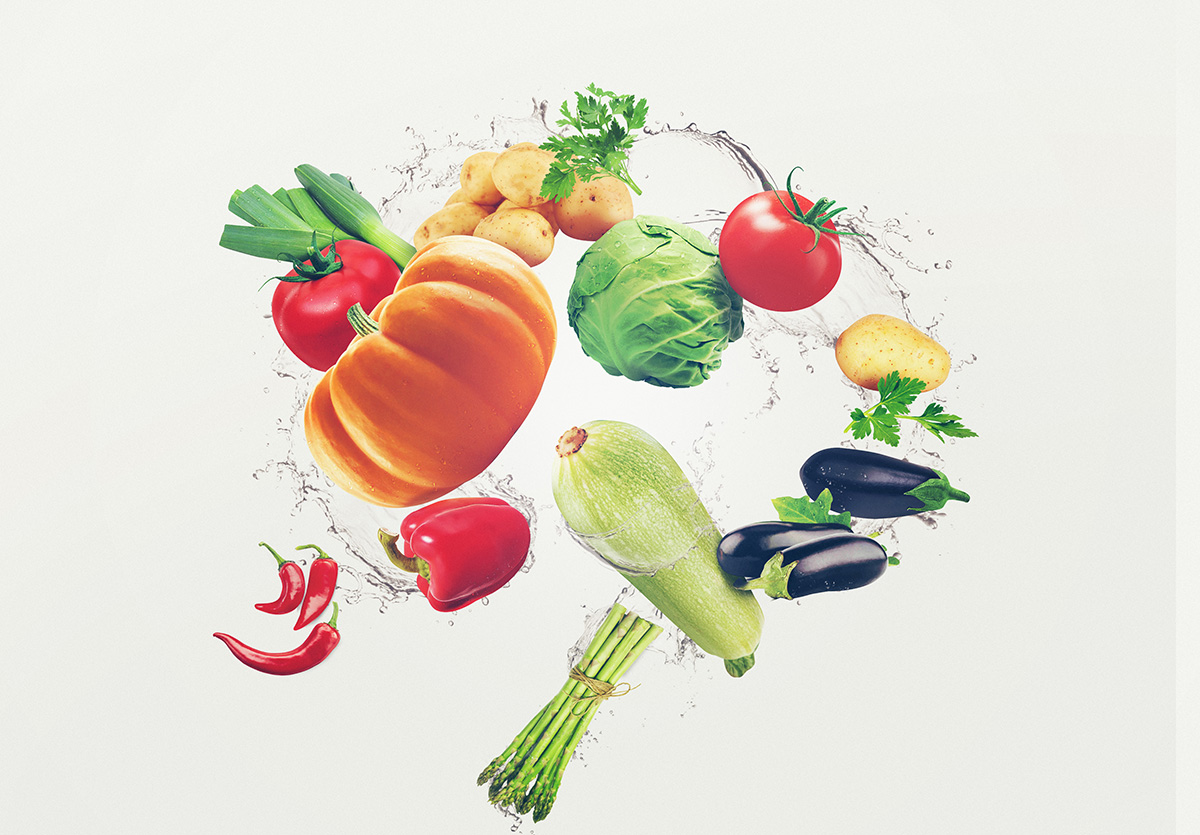
Every skin issue has an internal root cause, often linked to deficiencies in micro- and macronutrients or vitamins. For skin problems, focus on a balanced diet—not restrictive diets. Any diet involves limitations, which create deficits and imbalances in valuable substances. So what does a balanced diet mean? Every body requires proteins, fats, and carbohydrates. Cutting back on any macronutrient disrupts a complex biochemical chain, leading to malfunctions that can cause disease. Abundance is key. If we don't consume enough protein, we'll try to compensate with carbohydrates, triggering sugar cravings. A lack of fat—or an imbalance—fuels inflammation, making acne worse. Balance means about 1 gram of protein per kilogram of body weight daily, with each meal containing protein, fat, and carbohydrates. Keep your diet diverse: let your plate be colorful (red, yellow, green peppers, tomatoes, dark leafy greens like broccoli, white cabbage, asparagus). With acne, be wary of foods that promote inflammation, especially an imbalance between omega-3 and omega-6 fatty acids. When your diet includes plenty of vegetable oils, nuts, and butter (omega-6 sources) but little to no fish (omega-3 sources), pro-inflammatory processes kick in. Make sure to eat fatty fish at least four times a week.
Discover which celebrities have undergone rib removal surgery in pursuit of an ideal physique!
How Gut Microbiota Connects to Diet
The bacteria in our gut essentially dictate our food cravings. To cultivate a healthy microbiome, you must consciously adopt a balanced diet. I've already covered the principles; here I want to highlight that beneficial gut bacteria thrive on prebiotics. You can consume them by eating sauerkraut, barrel-fermented cucumbers and tomatoes (without added sugar), kimchi, or any fermented foods at least two to three times per week. Natural prebiotics also include bananas, persimmons, and berries. Including these regularly in your diet will significantly improve your gut microbiota, which inevitably enhances overall health, since a healthy gut maximizes the absorption of micronutrients and vitamins.
Eating Habits That Matter for Acne
Anything that spikes insulin or triggers inflammation will worsen acne. Let's zoom in on insulin: every meal raises insulin, so we should minimize meals to three times a day (four is acceptable). For snacks, choose fats and proteins. Avoid drinking tea, coffee, or chicory with your main meal; enjoy these beverages without sugar or milk at least 30 minutes after eating. Always eat a solid breakfast within the first hour after waking. Include fatty fish (mackerel, herring, sturgeon, halibut) in your diet. For sweets, opt for fruits and natural chocolate, and consume them immediately after a meal—preferably after breakfast or lunch.
On Specialized “Anti-Acne Diets”
I prefer to talk about a balanced diet. This approach resolves skin issues and delivers a wealth of vitality and energy. Jackpot!
First Priority: What to Eliminate
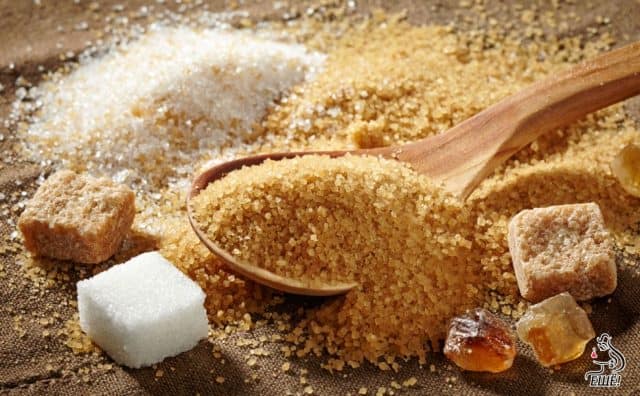
When acne appears, cut out confectionery, refined oils, processed foods (sausages, ready meals), alcohol, carbonated drinks, juices, and fresh juices (any liquid sugar). Add more fresh vegetables, favor whole grain cereals, and include fatty fish, avocados, and nuts in your diet.
Foods That Help Combat Acne
In today's marketing-driven world, the benefits of many foods are exaggerated. It's a mistake to focus on a single product and eat it daily while ignoring the rest of your grocery basket. Acne can be managed through balance, maximum variety on your plate, regular consumption of nutrient-dense foods, and adherence to proper sleep and meal schedules.
Balanced eating for clearer skin
Five Common Diet Myths About Acne
Myth: You can’t eat sweets. Sugar does aggravate acne, but if you choose a healthy alternative, any fruit is allowed (up to 100 grams per day). Many vegetables are naturally sweet. Even chocolate is permissible if it contains at least 85% cocoa and ideally no added sugar—but remember moderation (not a whole bar, but 20 grams after a meal).
Myth: Fatty foods are forbidden. Fat is necessary even with acne, but you must pick the right sources: fatty fish, avocados, nuts. Minimize all liquid oils; chew fats like coconut, sesame seeds, and flaxseeds as much as possible.
Myth: Milk is off-limits. Actually, cow's milk should be avoided because it contains insulin-like growth factor. However, goat's milk or plant-based milks are acceptable in small amounts—just don't mix them with coffee, tea, or chicory, as that combination blocks the absorption of iron, zinc, magnesium, and other beneficial elements.
Myth: Bread and pasta are prohibited. If you read labels carefully, you can find many acceptable options. The key is that the ingredients include whole grains, with no sugar, refined oils, or additives. Whole-wheat pasta cooked al dente provides the complex carbohydrates we need.
Myth: You need huge amounts of vegetables and greens. In reality, 300 grams total per day is enough to meet your vegetable needs—and that's not a lot. Excessive fiber intake can cause discomfort like flatulence and bloating.