Two FASHION staffers weigh in on the dubious motives behind the magazine’s revamped Swimsuit edition
By FASHION Staff
Date February 9, 2018
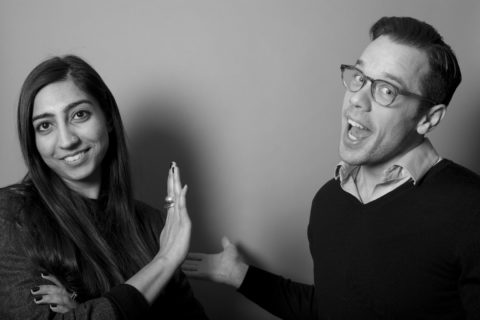
Our office isn’t exactly overflowing with men – surprising, we know. But we do have a couple (literally, two). So when a question about male conduct pops up, it’s only fair to let one of them represent his gender and offer perspective. Last time we debated Justin Timberlake’s alleged Time’s Up hypocrisy; today we’re dissecting Sports Illustrated’s supposedly woke Swimsuit Issue. Two colleagues – Greg Hudson from the men’s side and Pahull Bains from the women’s – hash it out.
Greg Hudson: This lands at a crucial moment for my 15‑year‑old self: the yearly Sports Illustrated Swimsuit Issue will hit newsstands soon. It was a magazine that let me ogle scantily clad women without overwhelming guilt. But increasingly, it feels like a throwback to another era. Not necessarily because of how it portrays women, but because it’s essentially PG‑13. And these days, there isn’t much appetite for that.
Yet SI is also trying to appear thoroughly contemporary. A recent Vanity Fair piece explored how the new edition responds to the #MeToo movement. (I say “responds,” but the content was set long before any #activism kicked off.) That includes, I gather, involving more female creatives and letting models have greater input into the process? I’m certain these tweaks won’t change the magazine’s overall vibe, but I wonder if such gestures actually resonate with women. You’re a woman – what’s your take? I assume you’re concerned about the publication’s integrity, right? You’re a huge fan of the Swimsuit Issue, aren’t you?
Pahull Bains: Absolutely! I pore over every page, all 36 words of it. So, short answer: no, these efforts don’t resonate with women – not when they come across as more self‑congratulatory than genuinely meaningful. This is basically them signaling, “We get it, we’re super self‑aware, the post‑#MeToo era matters to us, thank you very much.” They’re not just offering naked bodies; they’re offering naked bodies emblazoned with weighty words – truth, mother, human. (Just in case we forgot women are human too.) But instead of a shallow attempt to weave models’ voices into the narrative through these images, how about – stay with me – actually letting them speak? (Now, I haven’t read this year’s Sports Illustrated Swimsuit because it isn’t out yet, but based on past issues, there’s barely a word from the women in any of these “stories.” Last year’s edition featured Olympic athletes Simone Biles and Aly Raisman in all their strong, toned, powerful glory, but not a single quote from either. Worse, there was a whole sidebar about the shoot location and what the team did, ate, and saw there.) Basically, it all reads like a perfunctory attempt to prove their, as you might say, “wokeness.”
GH: I agree it seems more like spin than substance, but you raise a good point: what’s the actual purpose? Are there some cultural products where #MeToo simply doesn’t fit? That goes back to who the Swimsuit issue is for. The audience is overwhelmingly male. Its goal is to be sexy – not lurid or pornographic – and so it walks that fine line between appreciation and objectification that all sexy photos walk. I think SI’s images are beautiful and respectful, celebrating women of various backgrounds and, recently, different body types too. But is that the ideal setting for feminist messaging? Will any guy flipping through these photos think, “Hmm, that’s a valid point. Women are complex, nuanced beings, and I should treat them with the same respect I automatically give my male colleagues?” I doubt it.
But maybe that’s not the point. Since this issue is mainly aimed at men, the messaging seems directed at guys too, but #MeToo and #TimesUp aren’t just about teaching men; they’re about gender equality. So if this issue has genuinely given more opportunities to female photographers and production teams, then regardless of how performative it looks, it’s still doing something. It represents real change, even if it’s all behind the scenes. It’s easy to write off the whole thing as sexist – all those half‑naked bodies posed for the male gaze – but if women are making it, that counts for something.
I don’t think letting subjects speak more is the answer. Not because women should only be seen and not heard, but because, with exceptions, models and athletes – and this applies to both genders – aren’t always fountains of piercing insight. Plus, would anyone even read what they say? This isn’t Playboy – you can’t claim to buy the Swimsuit Issue for the articles.
PB: How can this magazine claim to celebrate women and their voices when, according to Vanity Fair, this was the first shoot where “models were as much participants as objects”? (So much to unpack there.) Look, be what you are. If you’re a magazine that sells copies solely through images of half‑naked women and doesn’t care about the actual women those bodies belong to, then own it. (“Own it” is, incidentally, one of the phrases painted on a model’s body in this shoot.) But don’t try to inject a semblance of social and cultural awareness into a publication that clearly has none. A couple of issues with what you said: it’s pretty patronizing to claim that models and athletes aren’t sources of insight. Especially now, when pop‑culture and sports icons like Colin Kaepernick or Meryl Streep have successfully derailed many of Donald Trump’s workdays (though, to be fair, that doesn’t take much). But I certainly don’t think only deeply insightful or thought‑provoking statements deserve to be printed next to a model’s face or body. If you’re featuring talented and accomplished women, especially if they’re not professional models, ask them a damn question – about anything. Also, you said the magazine celebrates women of different backgrounds. But celebrates what exactly? Let’s be clear: it celebrates their bodies, and nothing else.
To your point about giving more opportunities to women – yes, I was genuinely surprised to learn the editor of this issue is a woman and her core team is all female. I wasn’t surprised, though, to find that in the magazine’s 54‑year history, this is the first time a female photographer was hired to shoot the nude spread. It’s long overdue, but it’s definitely a positive and encouraging sign. And I think that’s a much more truthful, organic way for magazines like Sports Illustrated to reckon with the post‑#MeToo era: by hiring more women, by creating safe spaces for women to be naked and vulnerable, by letting women control the narrative they project to the world – even if the end goal is a sexy photo for a man to obsess over.
GH: I think we’re in agreement.
But I’ll push back on what you pushed back on: I clearly said exceptions exist among models and athletes. There have always been, and still are, celebrities from all industries who stand up and speak out. But one reason Kaepernick was treated so unfairly is that he’s in the minority among athletes. Exceptions exist, but they get attention precisely because they’re not the norm. Both models and athletes have dedicated their lives to perfecting their bodies for their jobs. Activism and debate haven’t been part of their training. Maybe they stay quiet out of fear of saying the wrong thing, or because they don’t feel equipped, or because they don’t think it’s their job, or they worry about backlash. But you know what they have been trained for? Answering questions in bland, inoffensive ways. “We left it all on the field.” “We gave it 110%, but we also got lucky.” The exception proves the rule here. God bless all celebrities who speak out and join the debate, whether they feel equipped or not. But nobody should blame them for not being great orators on top of their otherworldly discipline, talent, and (for models) appearance.
Still, you’re probably right. Just having them say anything at least reminds “readers” that they’re more than just bodies. They don’t have to say something political or woke – the fact that they’re talking at all counts. And I suppose, in the end, that’s all we should expect from media like this. Just do something. But when you do something, maybe you don’t need to make a show of it.
PB: Amen, brother.