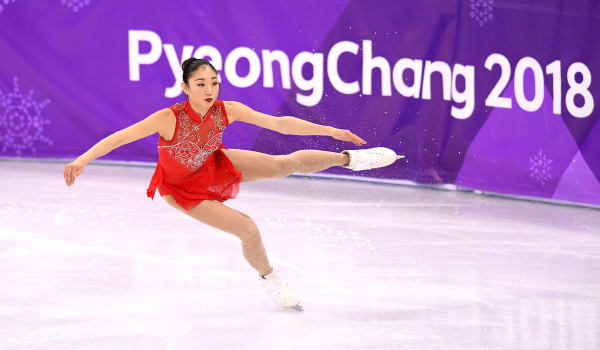
by Elizabeth Yuko Olympic figure skater Mirai Nagasu wasn't menstruating when she executed her groundbreaking triple axel at the 2018 Pyeongchang Games, but she insists it wouldn't have made a difference. In a Cosmopolitan interview, she disclosed that she was on her period while traveling to the Olympics, yet even if it persisted during competition, it wouldn't have held her back.
"It's truly no big deal—you just pop a tampon in," she told the publication, adding that skating while menstruating often improves how she feels. "Periods sometimes bring cramps, but I find that exercise helps relieve them."
Nagasu joins a growing list of athletes willing to discuss how menstruation influences—or, in her case, doesn't influence—their performance. But is this a topic she ought to address, or is it a valuable contribution to the broader dialogue about menstruation? As with most matters involving ovaries, vaginas, and uteruses, the answer is nuanced.
Related: What Aly Raisman Wants You To Know About Periods & Speaking Out Against Abuse
On one side, women are frequently defined by their menstrual cycles—and the mental, physical, and emotional effects—and speaking about it could empower those who use it to discredit us (for instance, arguing that we're unfit for leadership or piloting aircraft). If someone with severe menstrual pain describes how debilitating it is, others might conclude they can't function. And for many who menstruate, that may hold some truth. After all, research shows period pain can rival the intensity of a heart attack.
Additionally, no athlete—or any professional—wants attention diverted from their skills and achievements to a routine biological process.
Yet on the other side, a significant stigma surrounding periods persists, and it will only fade when people—especially those with influence, like athletes—speak openly. This creates what's known as the period paradox: the delicate balance between normalizing menstruation, preventing it from being used against us, and ensuring it's recognized as a legitimate health issue deserving of study and funding.
Related: Awesome Olympian Talks About Her Period on a Live Broadcast
For many, periods are considered too unappealing to mention in polite conversation—a situation as unfortunate as feeling compelled to hide a tampon up a sleeve while heading to the restroom at work. Many menstruators see no alternative, fearing that colleagues will judge them or their work once they know it's that time of the month. This is a core part of the problem.
So when athletes like Nagasu, gymnast Aly Raisman, and Chinese swimmer Fu Yuanhui speak candidly about their periods—whether they find it trivial or it somehow affects their performance—it benefits everyone. Those who menstruate realize others share similar experiences (or lack thereof), and those who don't menstruate grow more accustomed to hearing it discussed as a normal, healthy bodily function. Because that's exactly what it is.
sheknows.com