The coronavirus originating in Wuhan has already resulted in more than three thousand fatalities, caused stock markets to plummet, and disrupted the delivery of goods. The death rate from Covid-19-induced pneumonia has surpassed that of seasonal influenza. In response, sales of Albert Camus's novel "The Plague" have surged across Europe. Social media and news outlets are circulating memes that draw parallels between the coronavirus and the Black Death, the second major plague pandemic. How reasonable is this comparison? Medieval historian Ken Mondschein weighs in.
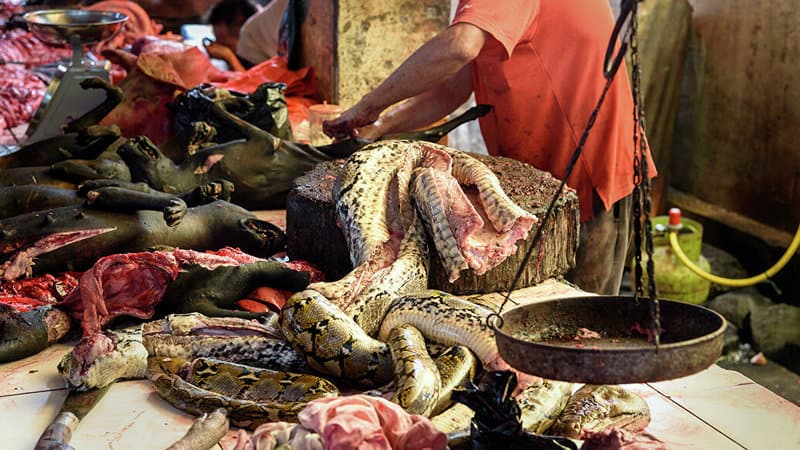
There are indeed some commonalities. Just as in the past, the disease emerged from the East, and humans contracted it from animals—rats in the Middle Ages, and likely bats today. Globalization, as during the Black Death, has facilitated the spread. In medieval times, Mongolian armies and Italian merchants carried the plague along the Silk Road. Today, the coronavirus travels with global travelers. The virus has also sparked xenophobia, with outsiders blamed for the crisis—similar to the anti-Semitic pogroms that occurred in plague-stricken medieval Europe.
Yet, the coronavirus differs fundamentally from the plague, and not merely because it is a virus rather than a bacterium. Covid-19 spreads from person to person, a trait shared only with the pneumonic form of the plague. Crucially, the coronavirus is treatable: the mortality rate for the pneumonia it causes is approximately 3.4%, primarily affecting the elderly or those with weakened immune systems or underlying conditions. In contrast, plague mortality ranges from 50% for the bubonic form to 100% for advanced pneumonic cases.
Mondschein also examines the economic fallout. Survivors of the Black Death saw improved conditions: vast tracts of land became available, boosting food supplies. Skilled workers in England, who previously earned a penny a day, began making four pence. Conversely, the historian predicts the coronavirus will have the opposite effect on today's economy. To protect shareholder value, corporations will reduce wages. Employees shifted to remote work face the risk of permanent job loss.
The ultimate outcome, according to Mondschein, will be declining wages, economic instability, and a growing chasm between the wealthy and the poor. However, the virus has slowed China's economy, leading to a sharp drop in harmful emissions.
Featured image on unsplash.com
DON’T MISS The Planet Is Threatened By Coronavirus. Learn How To Reduce The Risks Of Infection