The 2019-nCoV coronavirus has secured its place in medical history as one of the most severe viruses ever recorded, having taken at least 106 lives according to the most recent figures (as of January 29, 2020). The pneumonia triggered by the virus has infected more than 4,000 individuals. Medical professionals confirm that human-to-human transmission is occurring.
Currently, Wuhan, the Chinese city at the epicenter of the outbreaks, is under complete lockdown. City entry points have been sealed with earth and tunnels, and security personnel in hazmat suits monitor all access routes. Panic has gripped locals as food supplies dwindle.
Authorities have set up green corridors to bring provisions into the quarantined city. The scenario remains dire, and most concerning is that despite the isolation measures, the coronavirus's reach continues to expand swiftly.
How the Virus Transmits
The pathogen that emerged in Wuhan, located in Hubei Province, belongs to the coronavirus family and induces pneumonia upon infection.
According to physicians, this coronavirus infection—classified as severe acute respiratory syndrome—jumps from animals to humans. For instance, in 2012, the virus spread to people from dromedary camels, resulting in 858 deaths and 2,494 total infections.
"Drawing from prior outbreaks, it's reasonable to suspect that if this is a novel coronavirus, it likely originated from an animal and then moved to humans," stated Professor Jonathan Ball, a virologist at the University of Nottingham.
Currently, no definitive animal source for the coronavirus in China has been identified. Initially, reports indicated that infected individuals had worked at the South China Seafood Wholesale Market in Wuhan.
Beyond seafood, the market also sold chickens, bats, rabbits, and snakes—all of which are under suspicion.
Source: ria.ru
Chinese virologists, while studying the virus's characteristics, have hypothesized that snakes could be the origin of the coronavirus, which has killed at least 106 people between December 12, 2019, and January 28, 2020. Researchers have also determined that pathogens similar to this new virus frequently originate from bats. However, further analysis revealed that one segment of the virus's genome differed markedly from bat-derived strains. This suggests an intermediate host between bats and humans acquired the virus first.
Could snakes be that link? They prey on bats, and it's plausible that reptiles became infected this way. The virus may have then mutated within their bodies before jumping to humans. Chinese scientists emphasize that this mutation process did not occur over the past month alone; it could have spanned several years.
The virus passes from an infected individual to a healthy one exclusively through airborne droplets.
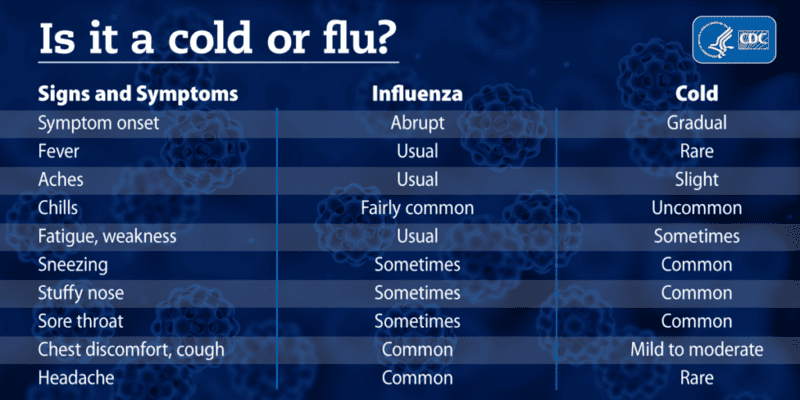
Typical Symptoms of Coronavirus Infection
- Elevated temperature and fever;
- Sneezing;
- Head pain;
- Dry cough;
- Irregular, labored breathing and shortness of breath;
- Diarrhea and stomach discomfort.
Potential Complications
- Pneumonia;
- Kidney failure;
- Severe acute respiratory syndrome (SARS).
Ways to Lower Infection Risk
- Steer clear of both wild and domestic animals;
- Refrain from consuming raw meat and eggs, or any foods not thoroughly cooked;
- Avoid direct contact with individuals exhibiting clear cold or flu symptoms;
- Wash hands meticulously and use alcohol-based sanitizers;
- Limit use of public transit and avoid crowded spaces;
- When sneezing or coughing, cover your mouth with your hands or a tissue.
Current Geographic Spread of the Coronavirus
Although Wuhan is under quarantine, the lethal virus has spread well beyond Hubei Province. Alarmingly, its reach has not stopped at China's borders; it is now actively moving into other nations worldwide.
Countries next in line include France, the United States, Canada, Thailand, South Korea, Japan, and Australia.
In Canada, several individuals have been hospitalized due to suspected infection with the new coronavirus. Health officials remain vigilant.
"Five or six people are being monitored. One suspected case was ruled out, but doctors continue to observe other patients," said Canadian Health Minister Patty Hajdu.
However, Hajdu added that the risk of contracting coronavirus in Canada remains low.
"There are a few cases requiring further investigation, which is actually a positive sign. It shows our system is functioning, with doctors nationwide collaborating and following protocol," the minister added.
People from Vancouver and Quebec City sought hospital care for suspected infection, but these turned out to be false alarms.
According to the South China Morning Post, the virus has already appeared in Hong Kong, where six infections have been confirmed. Two patients are Hong Kong residents; the others are from mainland China. An emergency has been declared in the region.
In Macau, a Chinese administrative region, five coronavirus cases have been recorded.
Taiwan News reports that in Taiwan, four individuals with suspected coronavirus have been hospitalized. One is an 11-year-old girl who arrived from China in early January.
Global Threat: Coronavirus. Photo credit: taiwannews.com
Meanwhile, according to the Bangkok Post, authorities in Thailand have confirmed five human coronavirus infections. Among them is a 33-year-old woman who came from China. She arrived in Bangkok from Wuhan on January 21, and a few days later developed fever and a cough. She sought medical help and was immediately hospitalized.
The tourist destination of Phuket has not escaped the coronavirus; three individuals arriving from Wuhan have been hospitalized with suspected infection. Phuket News reports that thermal scanners detected elevated body temperatures upon their arrival at the airport.
Japan has reported two cases of the virus. Japanese authorities have stated they are prepared to evacuate all their citizens from Wuhan. Prime Minister Shinzo Abe confirmed plans to arrange charter flights to bring back all Japanese nationals in the outbreak's epicenter.
South Korea and Vietnam have each reported two coronavirus cases. Singapore has three, and Nepal has one.
The virus has now reached another continent. In the United States, one case each has been recorded in Illinois, Washington, and California.
In Europe, specifically France, three people have been infected: two in Paris and one in Bordeaux. A Chinese couple who arrived in Paris on January 18 sought medical help due to poor health. Initially, they were not diagnosed with coronavirus, but a week later the infection was confirmed.
In Bordeaux, a 40-year-old Chinese man working in the wine industry was also hospitalized. He had flown in from Wuhan as well.
In Russia, over 100 infectious disease cases have been detected among individuals who recently visited China. However, doctors caution against alarm, as none have been confirmed as coronavirus. Russia's Chief State Sanitary Doctor, Anna Popova, reported:
"To date, we have identified more than 100 people showing clinical signs of an infectious disease who also have a history of visiting China. Each was promptly identified, isolated, placed in a hospital ward, and fully examined. In every case, the cause of the infectious disease was determined," the doctor reassured Russian residents.
A report surfaced online about a coronavirus infection in a Kiev, Ukraine resident. However, doctors later clarified that the patient did not carry the same virus strain responsible for deaths in China.
In the latest developments, the coronavirus has reached China's capital, Beijing. The first fatality there involved a 50-year-old man who had been in Wuhan on January 8. He received the dire diagnosis on January 22, and his condition deteriorated over five days, leading to his death.
The deadly virus has also claimed medical professionals. On January 25, 62-year-old otolaryngologist Liang Udong died in China. His first symptoms appeared on January 16, and within nine days, he was gone.
Global Threat: Coronavirus Spreads and How to Minimize Infection Risks
Last Friday, January 24, construction began on a second specialized hospital for coronavirus patients in Wuhan. The facility will occupy 25,000 square meters and accommodate 1,000 beds. Plans call for completion in record time—by February 1—with the hospital operational on February 2.
The first wing of a hospital for coronavirus patients was erected in just 16 hours.
This is not the first time Chinese builders have achieved rapid construction. In 2003, during the height of the SARS outbreak, Xiaotangshan Hospital was built in record time in Beijing. That hospital also held 1,000 patients and treated infected individuals from across China for about two months.
Factories producing gauze masks and protective suits have shifted to enhanced operations.
Statistics as of 01/28/2020, 19:00
Confirmed:
- 4,473 disease cases
- 107 deaths
- 63 recovered patients
One coronavirus case has been confirmed in Bavaria, Germany.
Regardless of the outcome, one fact remains clear: China continues to be the birthplace of dangerous new infections, even 60 years after the Asian flu pandemic (which killed two million people) and nearly two decades after the SARS epidemic.
Yes, the country has strengthened controls on exotic animal sales and successfully identified infectious diseases. However, traditional markets—where almost anything from birds to snakes can be purchased—remain popular and pose a serious potential threat to human health.
Featured image on flickr.com
DON’T MISS Biohacking: What Is It And Its Basic Principles. Do Celebrities Use Biohacking?