Italian Woman, 104, Beats Coronavirus After Surviving Spanish Flu
Ada Zanusso, a resident of a nursing home in Biella, northern Italy, became ill on March 17 — just eight days after the government imposed a nationwide lockdown. Having lived through the 1918 Spanish influenza pandemic, she has now overcome COVID-19 as well. Her doctor, Carla Furno Marchese, states that Zanusso has nearly fully recovered from the illness.
Cornelia Ras, 107, Also Triumphs Over Coronavirus
Ada's recovery is remarkable, but the current record-holder is 107-year-old Cornelia Ras from the Netherlands. She fell ill on March 17, the day after her birthday, at a church gathering that later led to 40 other infections. Ras no longer requires any medication and is now completely healthy.
Modified Parainfluenza Virus Thwarts Coronavirus Infection
In an innovative approach, U.S. scientists have taken the parainfluenza-5 virus — harmless to humans — and used it to develop a vaccine for Middle East respiratory syndrome (MERS). Tests were performed on genetically altered mice, since rodents are not naturally susceptible to MERS. While this vaccine does not target COVID-19, researchers believe the technique could be adapted to fight other coronaviruses, including SARS-CoV-2.
Fresh Evidence Supports Blood Transfusion Therapy for COVID-19
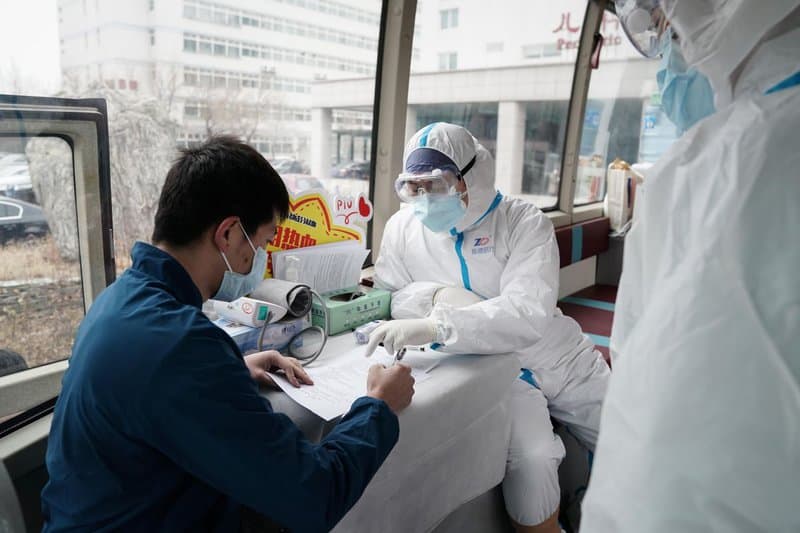
Earlier proposals suggested that transfusing plasma from recovered coronavirus patients into critically ill individuals might help, as antibodies could combat the disease. That theory now has stronger backing, thanks to two Chinese research teams. One group in Wuhan gave plasma from recovered patients to ten severe cases, resulting in lower viral loads and reduced symptoms. The second team in Shenzhen administered transfusions to five critically ill patients, who were then taken off ventilators after ten days of treatment.
Image credit: theverge.com — This week's positive coronavirus news
Microneedle Patch Vaccine Triggers SARS-CoV-2 Antibodies in Mice
Researchers at the University of Pittsburgh Medical School (USA) have reported successful preclinical trials of a SARS-CoV-2 vaccine. The vaccine was delivered to rodents via a patch equipped with tiny microneedles. It prompted the mice to produce SARS-CoV-2-specific antibodies in amounts sufficient to block the virus within two weeks. An added advantage: the candidate vaccine, called PittCoVacc, can be stored at room temperature, greatly simplifying transport and storage.
Arthritis Drug to Be Tested on Severe COVID-19 Patients
Gene tech plans to evaluate tocilizumab (Actemra), an arthritis medication, in patients with severe COVID-19. Although the drug does not treat the virus itself, it may significantly alleviate symptoms. The first six participants from the United States and Spain have already been enrolled in the trials.
Ivermectin Shows Potential Against Coronavirus
Ivermectin, commonly used to control parasites in humans, pigs, cattle, horses, and sheep, may also fight COVID-19. A new study by researchers at Monash University and the Royal Hospital in Melbourne found that the drug can block coronavirus replication. Already approved by the Food and Drug Administration as an antiparasitic, ivermectin also possesses broad-spectrum antiviral activity. The study results indicate that a single dose can stop viral reproduction within 24–48 hours. If taken early in the infection, the disease may remain mild, and the person would be far less contagious to others.
IBM's AI Searches for Coronavirus Treatments
IBM is deploying its artificial intelligence to help scientists discover new drugs for COVID-19. The company has offered its computing power to aid the pandemic fight. By posing the right questions, AI with machine learning can rapidly extract relevant information from a growing database of 13,335 documents — a list that expands daily. "To systematize the identification of new treatments for COVID-19, we also provide free access to the functional genomics platform for the pandemic period," wrote Dario Gilles, head of IBM Research, in a blog post.
Squirrels Take Over California Public Park
During the quarantine, squirrels have claimed a public park in Santa Monica, California, as their own — a sight captured on video. Nature always finds a way to persist, even in the most challenging times. Stay hopeful!