Authored by Alanna Ketler, Collective Evolution
For decades, doctors, nutritionists, and experts worldwide have praised fish as a superfood. Many individuals who avoid meat and other animal products take pride in what they believe is a health-conscious choice to include fish in their diet. However, like many heavily marketed items, there may be a hidden catch.
It is true that fish provides essential omega-3 fatty acids, crucial for brain function—hence the term 'brain food.' But the reality is that farmed fish, especially salmon and tilapia, may be causing more harm than benefit. With increasing awareness, numerous experts now describe farmed fish as among the most toxic foods on the planet.
What Makes Fish Farms a Concern?
Modern fisheries grapple with overfishing, chemical contamination, and genetic mutations caused by toxic substances. Nicholas Daniel's documentary 'Fillet-Oh-Fish' scrutinizes global fish farming practices, using exclusive insider footage to reveal operational methods. The film's producers state: "Due to intensive farming and worldwide pollution, the fish we consume has become a lethal chemical mixture."
Sadly, the aquaculture industry frequently markets itself as a sustainable answer to ocean overfishing. In truth, fish farms are creating more issues than they resolve, and profit appears to outweigh genuine sustainability or environmental care for these corporations. Farmed salmon stands as one of the globe's most toxic foods.
The documentary begins in Norway, highlighting the chemicals employed in fish farms. Kurt Oddekalv, a well-known Norwegian environmental activist, asserts that salmon farming poses a catastrophe for both human health and the ecosystem.
Beneath the salmon farms in Norwegian fjords lies a waste layer approximately 15 meters thick, swarming with bacteria, pharmaceuticals, and pesticides. Since these farms are in open water, the entire seabed has been devastated, and the resulting pollution is uncontained. A single salmon farm can house up to 2 million fish in a relatively compact area, leading to rampant disease due to overcrowding.
To combat diseases, numerous pesticides are applied—and consuming this fish inevitably means ingesting those chemicals.
Toxicologist Jerome Ruzzin has validated several of Oddekalv's assertions. After testing various food groups sold in Norway for toxins, he discovered that farmed salmon harbors the highest toxin levels by a significant margin—five times more toxic than any other tested food. In a study where mice were fed farmed salmon, they became obese, accumulating fat around internal organs, and also developed diabetes.
Recently, research has revealed that diabetes stems from far more than sugar alone—specifically from toxic chemicals and air pollutants in our food. In this context, salmon raised in such conditions will inevitably carry far more toxins than wild-caught salmon.
Interestingly, the documentary notes that the primary source of toxin exposure for the fish is not pesticides or antibiotics, but the standard dry pellet feed. This feed contains a host of additional toxic compounds, such as dioxins and PCBs—leaving these fish with little chance of avoiding contamination.
The litany of problems in the farmed fish industry is seemingly endless, and for those interested in deeper exploration, I strongly recommend watching the documentary.
What Actions Can We Take?
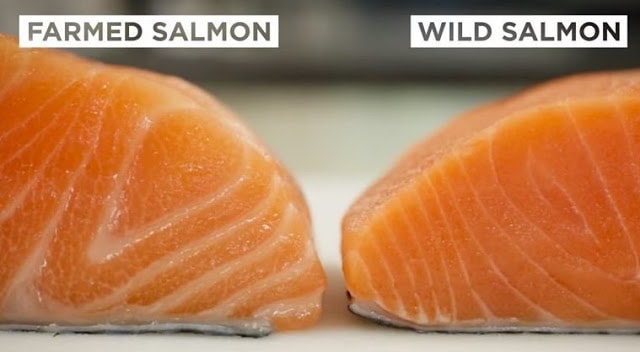
Avoid farmed fish entirely! That is the most impactful step for protecting your health and curbing the industry's pollution of oceans and the environment. If you have not chosen to eliminate animal products and still wish to eat fish, opt for wild Atlantic salmon, Alaskan salmon (which cannot be farmed), or take up fishing yourself. Distinguish farmed from wild by color: farmed fish is typically very pale pink, while wild-caught salmon is a deep red.
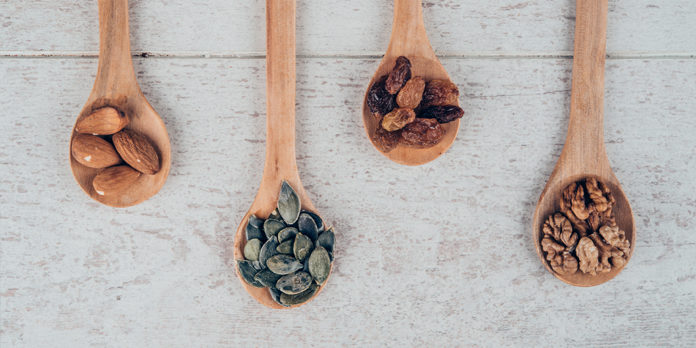
Wild salmon can be costly, making sardines and anchovies a viable alternative due to their nutritional benefits and sustainability. However, numerous plant-based options can supply the brain with essential nutrients without toxic risks: walnuts, Brussels sprouts, chia seeds, hemp seeds, and flax seeds—always choose organic varieties.
Skimping on cost by buying cheaper fish is not worth the risk. When dining out or eating sushi, always inquire whether the fish is farmed and its origin. The sole way to halt this industry is to stop supporting it—and frankly, such practices should be outlawed. As awareness of this serious issue expands, it is likely only a matter of time before that happens.