Once the New Year festivities wind down, many start contemplating dieting to shed pounds by spring. However, not every eating regimen is harmless to the body. Physicians and nutrition specialists have weighed the pros and cons of the most widespread diets. Today in "GoSeekNest" magazine, I’ll cover:
The top and bottom dietary plans for 2020
Discover which regimen professionals label as among the most hazardous and the reasoning behind it.
Mediterranean eating pattern
Image credit: everydayhealth.com
Key traits of a sound diet include palatability, equilibrium, simplicity to follow, no age limits, and health advantages. Specialists agree that the Mediterranean diet satisfies all these requirements. For three consecutive years, it has held the number one spot among best diets, essentially serving as a model of balanced nutrition.
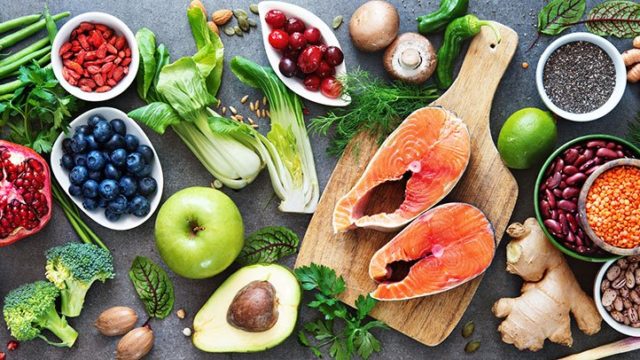
This plan emphasizes vegetables and beneficial unsaturated fats, particularly omega-3s. Meanwhile, red meat and sugar are nearly eliminated. All ingredients in the Mediterranean diet are readily available at supermarkets. Take broccoli, for instance—it provides merely 30 calories while ranking among the most nutritious vegetables. Its dietary fiber and antioxidants combat free radicals and toxins, potentially extending lifespan.
Extra virgin olive oil replaces butter, shielding the heart and lowering the chance of repeat heart attacks in those susceptible to cardiovascular issues. Whole grains like barley, brown rice, and quinoa deliver ample protein to maintain muscle tone. Their low calorie count also aids weight reduction.
Image credit: depositphotos.com
Raspberries, strawberries, and especially blueberries contain numerous antioxidants and phytonutrients that can reduce harmful blood cholesterol and may even prevent cancer. These berries are beneficial both fresh and frozen. Eating a handful of nuts weekly—almonds, for example—lowers the risk of heart disease and weight gain because they effectively curb hunger. Nuts are packed with dietary fiber, monounsaturated fats, and protein.
Including salmon in meals twice weekly supplies omega-3 fatty acids, safeguarding the heart and blood vessels. Beans (black, white, and spotted) offer protein and dietary fiber, satisfying hunger well, promoting weight loss and muscle gain, with zero fat. Eggs provide choline, which helps prevent memory decline and shields the liver from fat accumulation.
Spinach is another Mediterranean diet staple—a source of iron essential for oxygenating muscles and generating energy. Walnuts contain tryptophan, which boosts serotonin production, the mood hormone. They digest slowly, keeping hunger at bay for longer. Asparagus is rich in B vitamins involved in synthesizing dopamine, serotonin, and norepinephrine, supporting good mood and strong memory.
Unsurprisingly, doctors have endorsed the Mediterranean diet as optimal for tackling obesity, heart disease, cancer, diabetes, hypertension, memory loss, and bone weakness. Scientific evidence also shows it extends lifespan.
DASH diet
Image credit: flipboard.com
Following the Mediterranean plan is the well-researched and proven DASH diet. Physicians consider it safe and sensible. It is frequently prescribed for individuals with high blood pressure. The foundation consists of plenty of vegetables and fruits along with low-fat dairy. Foods high in fat and salt are limited.
Adhering to DASH for just a few weeks not only leads to weight loss but also alleviates hypertension, reduces blood cholesterol, and prevents diabetes, cardiovascular disease, and stroke. It was designed for lifelong adherence, meaning you won’t go hungry. With permitted foods, creating a varied menu is simple—the key is following basic guidelines: eat five small meals daily, drink up to two liters of water, cut back on sweets, salt, baked goods, canned foods, smoked items, and fatty fare. Avoid alcohol and tobacco.
Flexitarian diet
Image credit: dreamstime.com
Doctors rank this diet in second place alongside DASH. Flexitarianism encourages whole grains, vegetables, fruits, and plant-based proteins. Essentially, it’s a vegetarian regimen that occasionally permits meat or fish, offering flexibility.
This approach promotes weight loss and prevents diabetes, cardiovascular disease, and cancer. No strict restrictions or rigid rules apply. Simply minimize meat and keep daily calories at 1,500 or less (300 for breakfast, 400 for lunch, 500 for dinner, plus 150-calorie snacks). Following this plan, you can shed roughly 500 grams weekly.
MIND diet
Image credit: jumpic.com
Experts place this diet third, blending elements of Mediterranean and DASH plans. Its goal is to keep both body and brain (mind) in shape. Evidence shows that following it helps prevent Alzheimer’s disease and memory loss. The MIND diet restricts sugar, cheese, red meat, smoked foods, fried items, and desserts.
Instead, it incorporates vegetables rich in vitamin E, folic acid, flavonoids, and carotenoids—which enhance brain function—along with dried fruits, nuts, berries to preserve memory, legumes high in protein and antioxidants, boiled or stewed chicken, turkey, fish, and whole grains (brown rice, oatmeal, whole grain bread and pasta).
Weight Watchers Diet
Image credit: weightwatchers.com
It ranks fourth among the best diets but tops the list for weight loss. Joining the program and gaining support from peers requires a fee, though some information is available free online. The diet centers on assigning "points" to all foods, compiled in a single table. Points are calculated individually based on goals, age, gender, height, and lifestyle.
Nutritionists note that this plan positively affects the cardiovascular system by lowering bad cholesterol, prevents diabetes by reducing blood glucose, supplies all necessary nutrients, satisfies hunger, and facilitates gradual weight loss while maintaining results.
Keto diet
Image credit: bhub.com.ua
Despite a massive global following and a third-place ranking for rapid weight loss, doctors label keto as one of the unhealthiest eating plans. It triggers a metabolic state called ketosis, where fat is burned instead of carbohydrates. Carbs are limited to 5% daily, while the diet consists of fats (80%) and proteins (15%).
A drastic carb reduction (only 20 grams per day, equivalent to one apple or banana) leads to headaches, nausea, vomiting, constipation, kidney stones, fatigue, apathy, dizziness, drowsiness, and reduced attention and activity. Body temperature may rise, with chills or fever possible. High intake of proteins, fats, and dairy fosters cardiovascular and other chronic diseases.
The ketogenic diet excludes most fruits, legumes, grains, and starchy vegetables—essentially all wholesome foods rich in vitamins and minerals. It is very hard to sustain and should only be considered as a starting point for weight loss.
HMR Program and Atkins Diet
Image credit: flipboard.com
The HMR (Health Management Resources) diet helps shed pounds quickly but is listed by doctors among the most dangerous. It involves low-calorie shakes, fruits, and vegetables, with mandatory active physical activity.
As for the Atkins diet, it closely resembles ketogenic and Dukan plans by drastically cutting carbohydrates, resulting in rapid weight loss. However, drawbacks abound: headaches, nausea, constipation, heart and kidney diseases, diabetes, gallbladder issues, bone and immunity problems, and infertility risk.
Why are the most effective diets for weight loss also the most hazardous? Because they rely on foolish and unreasonable measures. They are far from optimal—just fast. Severe food restrictions and cutting out healthy foods mean that once the diet ends, lost kilograms return, but compromised health does not. So, pursuing quick results requires readiness for harsh consequences. Lose weight gradually and correctly so the new eating pattern doesn't harm your overall body condition.