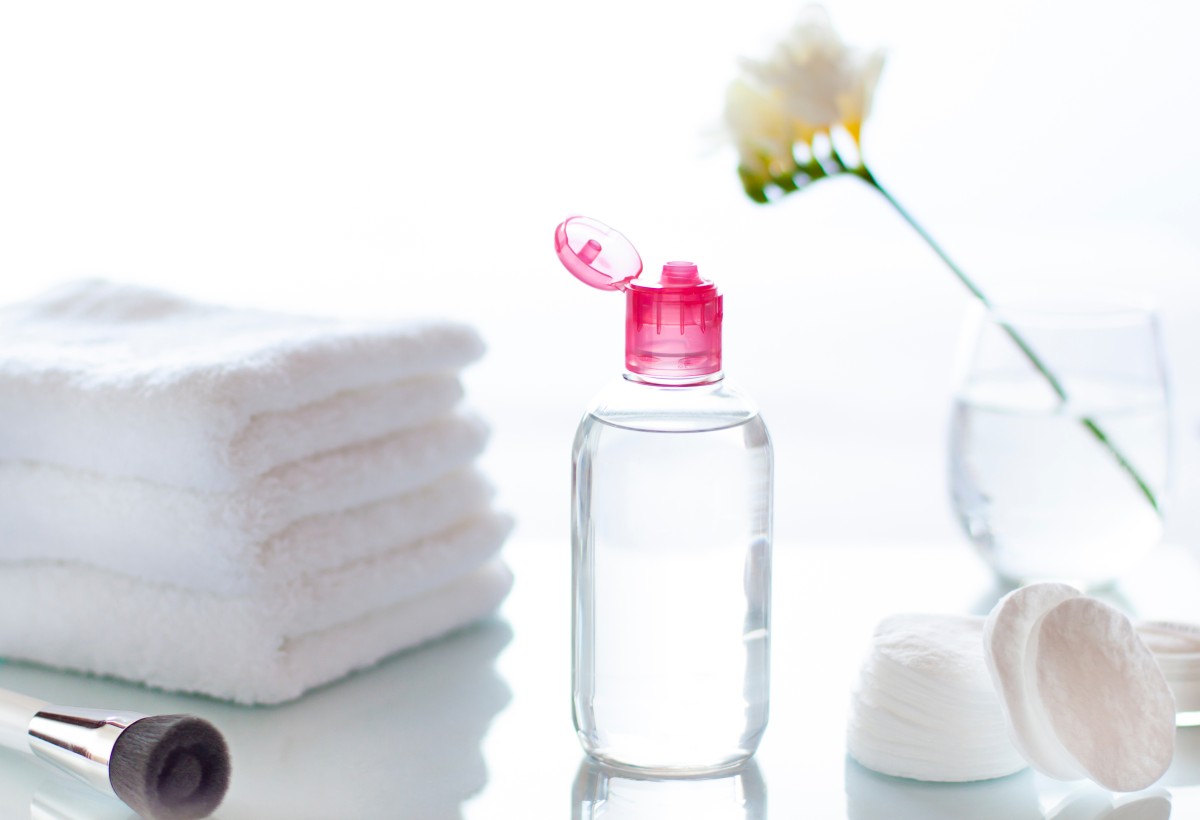
Micellar water currently stands as the top choice for removing makeup. It proves essential both at home and in any environment, even during outdoor excursions. This solution benefits individuals with sensitive skin who struggle with cleansing using hard tap water. Brands advertise that no further cleansing is necessary after application, yet a number of dermatologists hold a different view. The online debate over this contentious issue remains heated, with each side firmly defending its stance.
We have previously explained the proper method for using micellar water on the face, but the question of whether it requires rinsing remains unresolved—let's explore this further. We decided to investigate this matter thoroughly and examine expert opinions. Here is the conclusion we reached.
Theoretical Background
Micellar water contains active components known as micelles—microscopic oil-based compounds. Each of these molecules features a hydrophilic (water-attracting) head and a hydrophobic tail. The head prefers water, while the tail favors fats. What function do they serve? Simply put, they act as a link between two substances that do not mix—oil and water. The tails of micelles draw toward one another and toward various oils, functioning like a magnet to lift cosmetics and impurities from the skin's surface.
An adequate concentration of micelles in the cleansing formula enables effortless removal of any makeup and eliminates even the tiniest residues of dirt. However, because these particles contain not only water but also oils, a surfactant is required to wash them away. After all, fat does not dissolve in water.
READ Hyaluronic Hydrolate – The Perfect Moisturizer For Any Skin Type
Surfactants include ingredients such as amino acids, soap, or alcohol. Manufacturers incorporate them into micellar water to break down the fatty layer on the skin's surface. The issue, though, is that repeated exposure of facial skin to a cleanser containing surfactants (which are present in nearly all detergents, from household to cosmetic products) can compromise the epidermis's barrier function. This, in turn, may result in dryness, redness, flaking, and other forms of skin irritation.
The ongoing debate: is rinsing micellar water necessary?
Is Rinsing Micellar Water Necessary?
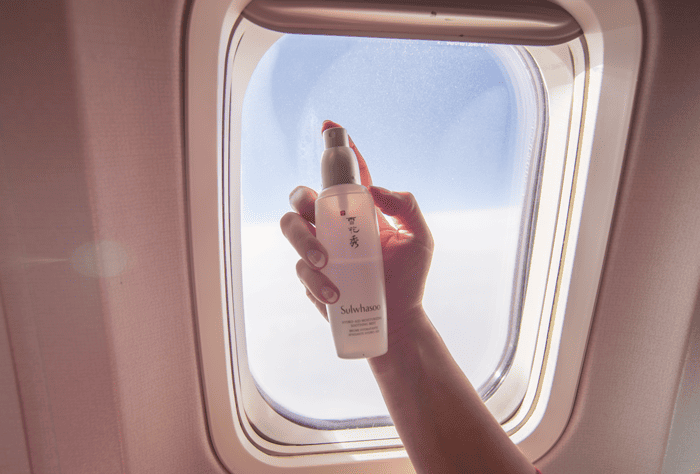
Based on the theory, the logical conclusion is clear: in most instances, micellar water should still be rinsed off. Numerous dermatologists and cosmetologists emphasize this point. Naturally, if you are in an emergency situation—such as traveling, waiting for a flight at the airport, or experiencing a water outage at home—and you do not remove the residual micelles with water, no immediate harm will come to your skin. However, consistently skipping this step in your beauty regimen raises the likelihood of adverse effects like dryness and irritation, particularly for skin prone to blemishes.
Experts further advise washing with a gel or foam after using micellar water if you experience any discomfort. This sensation is likely familiar to most people. Many of us instinctively want to cleanse our face again after any makeup remover, and that reaction is perfectly normal.
Finally, always attempt to rinse off micellar water that contains surfactants. If your cleansing product consists solely of water and plant extracts, then rinsing your face is not required. After such a cleanse, you can even skip applying lotion or toner because the skin's lipid barrier remains intact, and the pH level stays stable.
Subscribe to our “Instagram“ and don’t miss the most useful materials from GoSeekNest!