Colostrum is widely regarded as nature’s most fundamental and powerful immune enhancer.
Newborns depend on it. Mothers—whether human, bovine, or other mammals—produce it. But does it make sense to take it as a supplement? Or perhaps as a fresh, superfood ingredient sourced from a nearby grassfed dairy farm? Let’s take a closer look at this well-known immunity booster and determine if it justifies its price tag.
Understanding Colostrum
Colostrum refers to the initial milk secreted by mammals following childbirth. Its production begins a few weeks before delivery, when the mammary glands of the pregnant female start generating it in minimal quantities. This substance is rich in antibodies and various immune-supporting factors that protect the newborn from illness.
Similar to breastmilk, colostrum exhibits a certain flexibility in responding to the infant’s needs and can even shift over time. However, it’s important to note that the window for colostrum production is brief. Both cows and humans produce it for merely 3–4 days!
For newborns, colostrum qualifies as a genuine superfood. Scientific research indicates it provides numerous advantages that no alternative can replicate. It contains a variety of beneficial enzymes, antibodies, and growth factors specifically designed for the infant. Among these is lactoferrin, a versatile protein that plays a crucial role in the human immune system. It possesses strong antibacterial, antiviral, and antifungal properties, but it is rapidly destroyed by heat.
Interestingly, some of these advantageous compounds do not persist in mammalian milk during the remainder of lactation. Because of this, certain individuals view colostrum as a superfood supplement. (1)
Caprine or Bovine Colostrum
Although most colostrum available commercially comes from cows, some companies and farms also provide goat colostrum. As with fluid milk and other dairy items, some people tolerate milk from particular animals better than others.
If you have difficulty with bovine milk—whether from A1 or A2 cows—consider looking for supplements based on goat milk.
Fresh Colostrum Offers the Greatest Benefits
Given the delicate nature of many of colostrum’s most valuable components, if you decide to try it, keep in mind that fresh and raw forms are optimal. However, be prepared to pay a premium—fresh colostrum comes at a high cost! Additionally, sourcing fresh colostrum is quite challenging, and it is only available during specific times of the year.
Cows produce limited amounts, and only for a short duration. Responsible farmers understand that they can only remove a small portion from the calves without causing harm. Fresh frozen colostrum is also a viable option if you have a condition that might benefit from it.
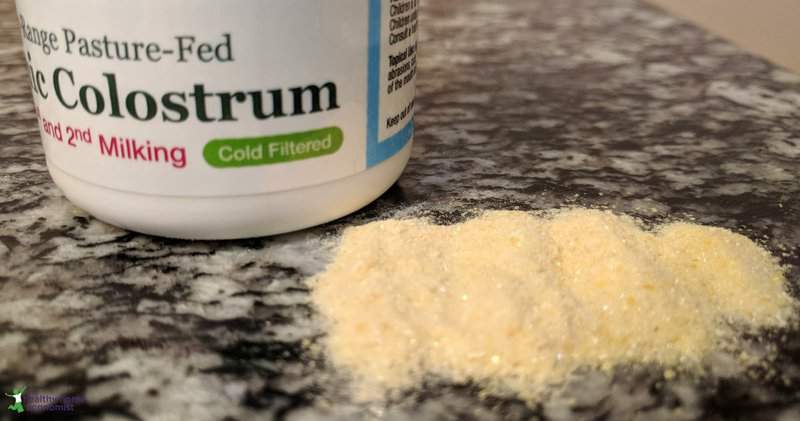
Regardless of the form, nearly all types of high-quality colostrum—whether fresh, frozen, or dried and powdered—are costly. Anticipate spending between $50 and $100 per pound for premium supplements. (2)
Which Conditions Might Colostrum Help?
Some studies suggest that colostrum could be beneficial for addressing several health issues. One area that appears particularly promising is restoring digestive health, for instance after antibiotic use or other disruptions. This includes alleviating diarrhea and other gastrointestinal discomfort. (3, 4)
However, overall research on colostrum and its supplements yields mixed results. The mostly small-scale studies present conflicting findings and only modest benefits. Occasionally, one shows promise, but far more investigation is necessary. (5)
It’s worth noting that many companies assert that studies back their health claims for colostrum, yet when you search for supporting research, the studies often don’t align with what the companies suggest! (6) This is a frequent trap to watch for in supplement marketing.
From a clinical standpoint, respected practitioners like Chris Kresser also report unimpressive outcomes. (7)
Potential Downsides of Taking Colostrum
Several researchers have raised legitimate concerns about certain components of colostrum. Substances that benefit newborns might actually cause issues for older children and adults.
Research in this area is limited, but some scientists point out that a mature digestive system neutralizes many of the growth factors and other beneficial elements in colostrum before they can be absorbed. Perhaps this explains why nature wisely provides this food only for a short period and exclusively for newborn mammals with immature digestive systems!
Adults with compromised immune or digestive function—the very individuals who might benefit most from colostrum—also face the highest potential risk. This could explain why many researchers have observed poor clinical results with colostrum for most patients. The beneficial compounds never reach the small intestine, where they could be absorbed into the body.
How Colostrum Is Processed
As with any supplement or superfood, it’s essential not only to assess the quality of the primary ingredient but also to examine any additives in the final product. Keep in mind that some brands advertise themselves as “soy free,” but that doesn’t guarantee the animals weren’t fed soy—or even genetically modified soy!
Given that research confirms soy isoflavones readily transfer into milk, meat, and eggs, if you are sensitive to soy, don’t rely on soy-free labels unless the company also provides transparency about its animal feeding practices. Colostrum from pastured animals that have not received antibiotics or growth hormones is always the best choice.
Colostrum supplements come with several challenges. Many beneficial components in colostrum do not tolerate drying, processing, powdering, handling, or storage well, similar to probiotics and whey protein powder. Even if a company carefully collects and processes the colostrum, there is no guarantee that during storage or shipping it won’t be exposed to conditions that degrade its quality. Let the buyer beware!
For this reason, when it comes to supplements sensitive to light, temperature, and age, I only purchase them during appropriate seasons (neither too hot nor too cold) from companies that ensure proper storage, handling, and shipping.
Colostrum’s Bioavailability
Colostrum has another potential drawback mentioned earlier. Many of its components do not survive digestion in older children and adults. Some manufacturers claim to offer products that overcome this issue through proprietary technology, such as this brand:
Sovereign Laboratories’ proprietary in-house Liposomal Delivery (LD) system is an applied coating which allows colostrum to readily dissolve in liquids and ensures the colostrum will bypass digestion, be transported through the bowel wall, circulate throughout the body, reaching organs and cells while remaining bioavailable and healing at the cellular level. (7)
Evaluating the validity of such claims goes beyond the scope or expertise of this article. However, as noted earlier, buyer beware—especially for specialty colostrum supplements that come with even higher price tags. Carefully consider the fact that mature digestive systems prevent many compounds in colostrum from passing through digestive defenses.
Recommended Dosage
A typical suggested dosage of colostrum powder for children aged 12 and older is 1/2 teaspoon (1.5 grams) once daily. Taking it on an empty stomach and allowing the powder to dissolve in the mouth before swallowing appears to yield the best results. Therefore, if you use capsule form, it seems preferable to open them and empty the powder directly onto the tongue rather than swallowing the capsules whole.
Note that some brands recommend higher amounts. The liposomal delivery (LD) brand discussed earlier suggests a serving of 5 grams (about 2 teaspoons) per day. Always follow the manufacturer’s instructions and consult a trusted healthcare practitioner if you have any doubts.
Hyper-Immune Bovine Colostrum (HIBC)
Not wanting to miss out on a potentially profitable market, pharmaceutical companies have entered the colostrum arena by developing a drug known as hyperimmune bovine colostrum (HIBC).
The FDA has granted HIBC orphan drug status, which provides special designation for biological products used to treat rare diseases or conditions. The manufacturing process works as follows:
[HIBC] is produced by cows that have received vaccinations against specific disease-causing organisms. The vaccinations cause the cows to develop antibodies to fight those specific organisms. The antibodies pass into the colostrum. Hyperimmune bovine colostrum has been used in clinical trials for treating AIDS-related diarrhea, diarrhea associated with graft versus host disease following bone marrow transplant, and rotavirus diarrhea in children. (8)
Should You Take Colostrum?
Ultimately, the decision to take colostrum as a supplement rests with you. The risk of toxicity is minimal to nonexistent if it comes from pastured animals. However, its effectiveness remains unproven, which raises questions about whether the expense is warranted.
Personally, I’m uncertain about how I feel regarding this particular pharmaceutical product. I believe the late Jerry Brunetti of the Weston A. Price Foundation Honorary Board used it in his battle with cancer, with what appeared to be at least short-term success. Rami Nagel, author of the popular book Cure Tooth Decay, was also a proponent. For certain disease conditions, I would consider trying HIBC before turning to more synthetic, toxic, side-effect-ridden pharmaceuticals, especially if other options were unavailable.
Given the high costs of colostrum, the limited significant research supporting its benefits, and the availability of other known, tested, beneficial supplements and superfoods, I won’t be purchasing it anytime soon. But what about you?
Have you tried colostrum or know someone who has? What were the outcomes?
John Moody is the director of Steader, an author, speaker, farmer, homesteader, and Real Food activist. Most importantly, he is husband to an amazing wife and five awesome kids. John speaks nationally at a wide range of events, along with writing for numerous publications and consulting for farmers, homesteaders, and food businesses. He has two books forthcoming.