Today, we invite you to descend beneath the tropical islands and continents, where researchers continue to unearth extraordinary phenomena. Explore the planet's depths to comprehend the immense mazes concealed under Earth's sprawling forests and deserts.
In the Footsteps of Jules Verne
On a sweltering April morning, two British speleologists—Frank and Cooke—ventured into the caverns lying deep beneath the tropical forests of Borneo. Hundreds of uncharted caves await archaeologists beneath this island. The pair aimed to etch their names in history through remarkable discoveries of unexplored underground cavities. They first reached the Caves of the Winds, then delved into the Clearwater cave system.
Source: nationalgeographic.com
Beneath the island lie two labyrinth systems whose merger could form a "super system" of caverns—the largest on Earth. Clearwater's underground expanse stretches 225 kilometers. Some caves are carved by turbulent rivers, while others contain chambers vast enough to accommodate a jetliner. Borneo is a realm of dreams, a blend of Disneyland and Neverland—a thrilling destination. Yet any avid traveler will wonder: do unexplored territories still exist on our planet?
The 7 Most Enigmatic Caves Worldwide
Numerous expeditions target caves, as Earth's cavities and ocean depths rank among its most mysterious places. However, not all underground mazes are accessible to solo explorers.
Karst Sinkholes of Papua New Guinea
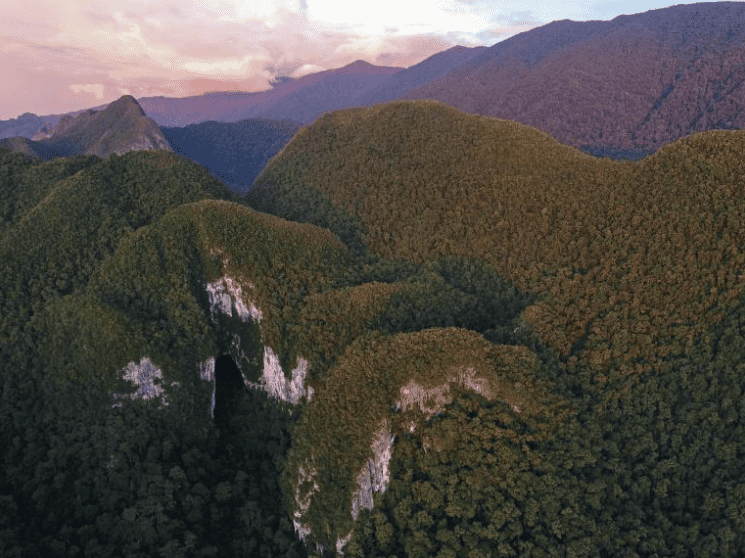
Papua New Guinea, an island nation in Oceania, immediately comes to mind. In 2014, France funded a speleological expedition to its caves. Scientists were particularly drawn to the Nakanai mountain range, renowned for its karst formations. These caves gained such fame that Hollywood director James Cameron made a film titled Sanctum, though the 2010 thriller about lost speleologists actually depicts Mexico's Swallow Cave, not Papua New Guinea's caverns.
Source: pinterest.com
Papua New Guinea's caves and karst craters lie hidden within untouched equatorial forests. In 2014, a French team explored formations like Nare, Kawakuna, Vovo, and Muruk. Surprisingly, locals remain unaware of the natural masterpieces beneath their feet. Archaeologists were most astonished by Vara Kalap, a spillway in one karst crater with a volume of about 5 cubic meters—imagine a stream filling 500 aluminum buckets. Yet this pales compared to other spillways in the region, which can reach 20 cubic meters.
Cave depths often exceed 100 meters. Descending into a karst sinkhole, you will likely encounter vast underground halls. However, solo travel here is deadly: a brief tropical storm can transform a karst cavity into a trap from which escape is nearly impossible.
Thailand's Caves
Thailand, an exotic nation, is famed for its distinctive architecture, unusual cuisine, and vibrant cultural customs. Another hallmark is the limestone cave Nam Lod. Archaeologists there uncovered a human skeleton over 20,000 years old. The caves preserve ancient dwellings and campsites, making them a popular tourist destination.
Source: ancient-origins.net
"Nam Lod" translates to "water that passes through," a fitting description of the scene before visitors. The dark cave astounds with limestone formations up to 20 meters tall. To prevent getting lost, tourists receive lanterns, as natural light never penetrates. Unlike Papua New Guinea's karst wonders, Thailand offers safe guided tours. The excursion includes both walking and water segments, showcasing stalagmites and stalactites—nature's sculptures. Groups consist of three people plus a guide, costing around $20.
Borneo's Hot Caves
Returning to the enigmatic island of Borneo—also known as Kalimantan, the world's third-largest—snails and frogs seek shade along trails, while birds shriek in the rising heat. One of Borneo's marvels is its "hot" caves, where temperatures range from 25 to 30°C.
The site of interest is Gunung Mulu National Park, a Malaysian tourist asset. Borneo boasts 12 national parks; Gunung Mulu lies amidst rainforests and jungles, yet offers safe access to curious travelers. The park spans 750 square kilometers. Reaching it requires either a 100-kilometer river journey or a one-hour flight.
Due to its remoteness, the park attracts few tourists, but those who come are rewarded: Gunung Mulu features stunning grottoes, and some forest-hidden caves await discovery. One of the world's largest grottoes, Sarawak Chamber, could easily hold 50 passenger planes.
Source: nationalgeographic.com
Deer Cave
Still within Gunung Mulu National Park on Borneo, we find the planet's largest cavity: Deer Cave. Once a refuge for hunted deer, it lends its name to this wonder. Imagine fitting five St. Paul's Cathedrals inside!
The entrance rises 152 meters high. A massive bat colony (27 species for zoology enthusiasts) inhabits the ceiling, while thick guano piles teem with cockroaches, crabs, worms, and microbes. British cavers discovered Deer Cave stretches nearly 2.5 kilometers, ending in a breathtaking area called the Garden of Eden. This cave is a recent find, opened in 1978, with tourist routes gaining popularity since 1984.
Source: somosadictosaviajar.com
Vietnam's Son Doong Cave
Many discoveries occur by chance. In 1991, a local man from Quang Binh province, Ho Han, stumbled upon Son Doong Cave while seeking shelter from rain. Initially frightened by strange noises from its depths, he returned 18 years later as a guide for British researchers. Their speleological expedition uncovered a natural city deep underground.
The cave's labyrinths stretch 9 kilometers, with arches reaching 200 meters high. Previously, we compared caves to airplanes or cathedrals; here, one could fit a New York City block, complete with skyscrapers!
Source: en.newsg24.com
The cave's interior hosts tropical forests and turbulent rivers. Active life thrives here, with unique organisms. Visiting Son Doong is costly—a rare excursion costs $3,000—but the week-long tour is unforgettable.
China's "Musical" Cave
This cave, though silent, earned the poetic name "Reed Flute Cave" due to abundant bamboo used for flutes.
Located near Guilin province, the cave is over 1,300 years old, with a half-kilometer labyrinth. Once, an ocean covered this area; when waters receded, cavities formed.
This "musical" labyrinth is a paradise for speleologists and geologists. Many stalactites and stalagmites bear names like "Dragon Pagoda," "Fruit Mountain," and "Dawn in the Lion Grove." Unlike Borneo's wild caves, this site offers lighting, walkways, and affordable access—just $18 for a visit.
Source: globaltravelerusa.com
The World's Deepest Cave: Krubera-Voronya
Located in Abkhazia, this natural formation holds depth records. Although newer discoveries surpass it, Krubera-Voronya's depth remains staggering at nearly 2,200 meters. The entrance sits at 2.2 kilometers above sea level.
The cave resembles a dungeon with numerous passages, shafts, halls, and drops. Some vertical drops reach 150 meters, making visits dangerous and requiring professional speleologists.
Source: geologypage.com
Rainbow and Frozen Water
Minneapolis hosts one of the most unusual caves. First, its natural light creates a rainbow effect, earning it the name "Rainbow Cave." Second, its main feature is a frozen waterfall.
Minneapolis lies in Minnesota, northern USA. Nearby, Niagara Cave—discovered near Niagara Falls—features an icy underground waterfall that attracts couples worldwide. An adult ticket costs only $14.
Source: pinterest.com
Thus, planet Earth remains a "blank spot" on the map, much like in Columbus's era. We cannot fathom how many places remain hidden or how many mysterious discoveries await us.
Quick Test: The First Animal You See Tells About Your Personality.