Garments steeped in the past have long captivated buyers through their rare charm and one-of-a-kind appeal. Still, before diving in, it's worth understanding what actually qualifies as vintage attire, how it stands apart from retro-inspired pieces, and why it isn't simply old castoffs.
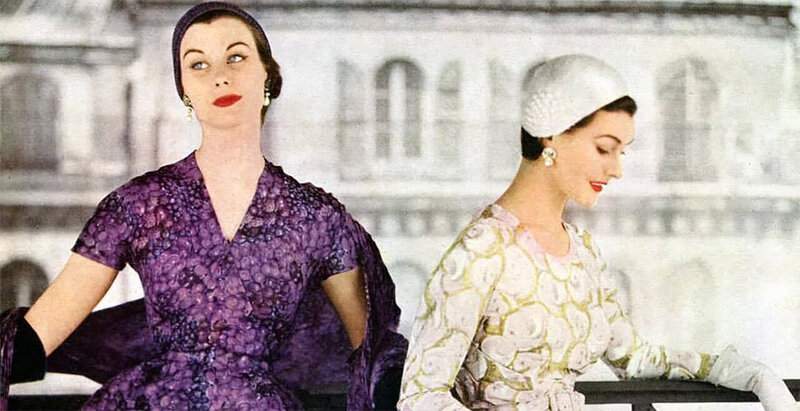
To start, a genuine vintage piece is always distinctive. The core rule: it must have been a defining trend of its moment and embody the aesthetic of its time. Equally important, vintage is tied to a recognized label carrying a documented production legacy. Additionally, collectors draw a firm line between vintage and true antiques. Most fashion scholars date the vintage era from the Victorian period through the 1980s.
Today, owning vintage pieces has become a marker of affluence and refined taste. Style enthusiasts worldwide are willing to part with staggering sums for rare garments and accessories. Naturally, trends keep shifting. What felt laughable and outlandish just years ago can suddenly become a prized possession. Yet unless you're a dedicated collector, does splurging on vintage truly make sense?
Picture yourself wearing such a creation to a formal gala or upscale dinner. The item checks every vintage box, yet it might feel out of place in everyday modern life. That said, if collecting runs in your blood and owning a piece like this is a long-held ambition, let's explore vintage wardrobe options that could still feel relevant in today's world.
DON'T MISS HILARIOUSLY SARCASTIC VINTAGE PICS