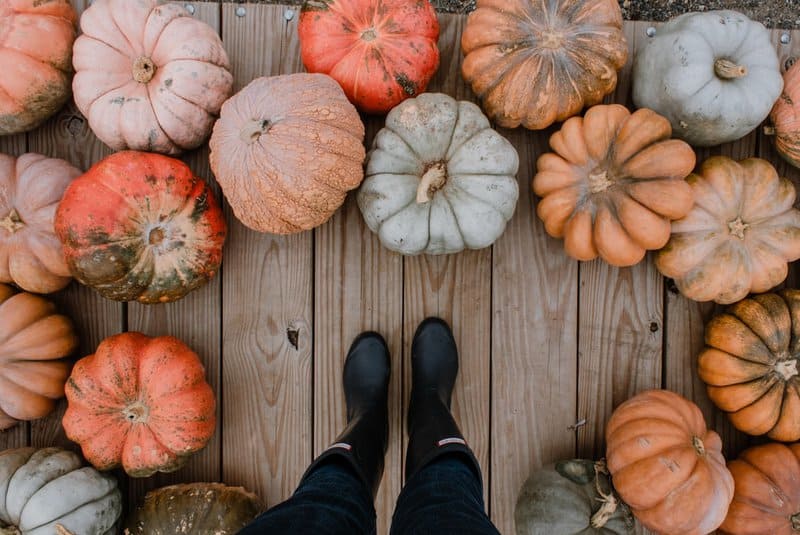
The Hidden Health Powers of Pumpkin: Plus Delicious Smoothie Recipes to Try. How well do we really understand pumpkin? Familiar since childhood as sweet porridge or roasted seeds, it never quite claimed the spotlight at the dinner table. Today, however, we have every reason to rethink our stance and give this vegetable another chance. Loaded with nutrients yet surprisingly low in calories, it makes a perfect match for athletes and anyone hoping to slim down.
Pumpkin (lat. Cucurbita) belongs to a genus of herbaceous plants within the Pumpkin family (Cucurbitaceae). The edible fruit—commonly referred to as a pumpkin—typically features a tough outer rind and an abundance of flat seeds encased in thick, fleshy pulp, with no protein content.
So, what exactly can pumpkin do for your well-being?
Vitamin A and additional nutrients
Pumpkin supplies potassium, copper, iron, manganese, modest amounts of magnesium, phosphorus, zinc, and folate, along with vitamins E, B2, and C. It also boasts an impressive reserve of vitamin A, a nutrient essential for maintaining healthy skin and supporting sharp vision. A single cup of cooked pumpkin delivers roughly 245% of your daily vitamin A requirement, while adding only 49 calories to your day—thanks to its 94% water content!
Pumpkin seeds
Don't overlook the seeds—they bring their own impressive nutritional profile. Inside, you'll discover iron, zinc, copper, phosphorus, magnesium, manganese, tryptophan, fiber, protein, and carbohydrates. On top of that, they're loaded with antioxidants and a healthy dose of polyunsaturated fatty acids, potassium, vitamin B2 (riboflavin), and folate.
Thanks to their magnesium, zinc, fatty acids, and antioxidant content, pumpkin seeds act as powerful antioxidants that bolster cardiovascular wellness. They help stabilize blood sugar, balance cholesterol and blood pressure, support prostate and bladder function, deliver plenty of fiber, and even enhance sleep quality.
Just remember to enjoy this snack in moderation—a 100-gram serving carries 446 calories.
May lower the risk of chronic illness
With its abundant antioxidants, pumpkin can serve as a trustworthy guardian for your health. Alpha-carotene, beta-carotene, and beta-cryptoxanthin work together to neutralize free radicals, shielding healthy cells from damage.
Boosts immune defenses
Vitamins A, C, and E, paired with iron and folate, work in harmony to fortify your immune system, helping your body fend off viruses and infections.
Supports healthy vision
The high beta-carotene content—converted into vitamin A inside your body—offers dependable protection for your eyes. Research shows that vitamin A deficiency remains one of the leading causes of blindness worldwide.
Pumpkin also ranks among the top sources of lutein and zeaxanthin, two compounds linked to a reduced risk of age-related macular degeneration and cataracts.
Promotes radiant skin
Pumpkin is bursting with skin-loving nutrients. Its carotenoids act much like a natural sunscreen, while vitamin C plays a key role in collagen production—the protein responsible for keeping skin firm, supple, and healthy.
Supports cardiovascular wellness
The potassium, vitamin C, and fiber found in pumpkin all contribute to heart and blood vessel health. Potassium helps bring blood pressure down, lowering your stroke risk.
The same antioxidants that keep your arteries clean also stop "bad" cholesterol from oxidizing, preventing dangerous blockages in your blood vessels.
Pumpkin for active lifestyles
With benefits ranging from immune support and better sleep to lower blood pressure and diet-friendly calories, pumpkin is a dream ingredient for anyone who trains regularly or watches what they eat.
Vitamins C and E speed up muscle recovery, so a refreshing pumpkin smoothie is just what you need to bounce back after a tough workout. Vitamin E (tocopherol) helps regulate muscle function, delays fatigue, and plays a vital role in protein metabolism within your muscles.
When to avoid pumpkin
For all its virtues, pumpkin isn't suited to every situation.
Avoid it during flare-ups of gastrointestinal conditions, diabetes, or gastritis. People taking lithium should also steer clear, as it may trigger serious side effects. Pregnant women should check with their doctor before adding it to their diet.
READ Pumpkin Bars with Cream Cheese Frosting Recipe
Tasty recipes to try
Banana-Pumpkin Smoothie
A creamy pumpkin smoothie recipe
Ingredients:
- ½ cup cooked or roasted pumpkin;
- ½ banana;
- ½ cup almond or coconut milk;
- 1 scoop vanilla protein powder (optional);
- 1 tablespoon honey;
- ½ teaspoon vanilla extract or a small pinch of vanillin;
- 1 tablespoon chia seeds;
- 1 tablespoon unsalted almonds;
- ½ cup ice;
- cinnamon and ginger for garnish.
Preparation. Combine every ingredient in a blender and process until silky smooth. Top with a sprinkle of cinnamon and ginger before serving.
Coffee, Spinach, and Pumpkin Smoothie
A wholesome pumpkin smoothie recipe
Ingredients:
- 1 cup pumpkin puree (cook or roast, then blend smooth);
- 1 cup cold coffee;
- 1 frozen banana, peeled and sliced;
- 1 cup almond milk;
- 1 teaspoon ground cinnamon;
- ½ teaspoon ground nutmeg;
- 2 cups fresh spinach (optional).
Preparation. Toss everything into a blender and blend until creamy. Sweeten with honey or maple syrup if desired.
Oatmeal, Banana, and Cream Cheese Pumpkin Smoothie
A filling pumpkin smoothie recipe
Ingredients:
- 1 cup almond milk—or any milk of your choice;
- ½ cup mashed pumpkin (boiled or baked, then pureed);
- 1 small frozen banana, cut into chunks;
- ¼ cup quick-cooking oats;
- 30 g cream cheese;
- ¼ teaspoon ground cinnamon;
- a pinch of nutmeg;
- a pinch of ginger;
- 1 tablespoon crushed cookies for topping (optional).
Preparation. Place all ingredients except the cookie crumbs into a blender and blend until velvety. Scatter the crumbs on top before serving.
Images credit: unsplash.com
Follow our Instagram page so you never miss the most useful info from "GoSeekNest"