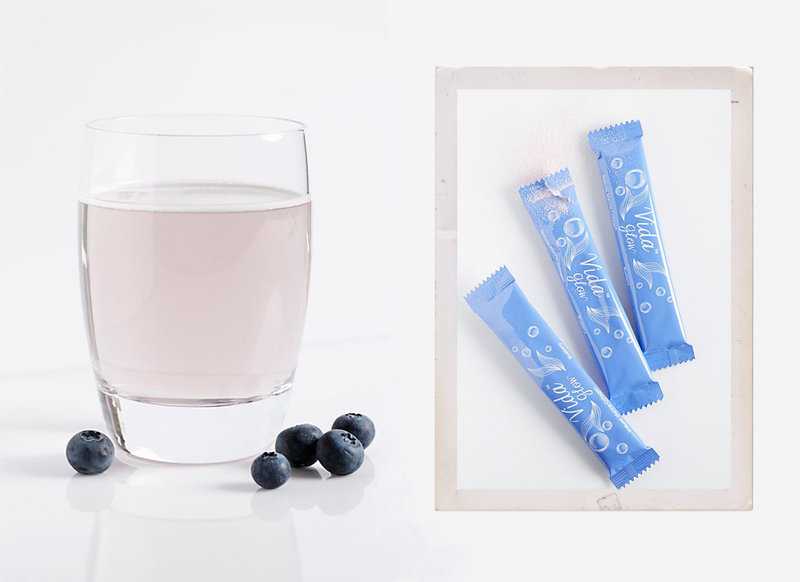
Despite what popular wellness trends might suggest, collagen isn't only about enhancing your looks.
What is collagen?
Collagen plays a vital role in maintaining the overall wellness of the human body—yes, that includes your skin, but there's far more to it than just a radiant complexion!
As the body's most plentiful protein—found in organs, bones, blood vessels, muscles, skin, and more—it serves as the fundamental building block that enables cells to construct other tissues. Sticking with the construction analogy, think of it as the supporting beam that ensures strength, the foundation that provides stability, and that architectural feature that allows tall structures to bend without breaking—in other words, elasticity. It's the complex protein adhesive that binds everything together, and without it, our bodily structures would be in serious trouble.
How does it work?
Our bodies naturally produce 16 types of collagen, with four main types doing most of the heavy lifting. Type I consists of tightly packed fibers that provide structure to your skin, bones, connective tissue, cartilage, and teeth. Type II features more loosely packed fibers that cushion your joints. Type III supports the structure of organs, muscles, and arteries. And Type IV is responsible for filtration (and is also present in your skin).
Now for a bit of science! Collagen begins as procollagen, which originates when two amino acids—glycine and proline—come together. Essentially, vitamin C acts as a matchmaker, introducing glycine and proline, they bond, and create procollagen, which matures into collagen. And they live happily ever after for 25 years.
Why should I care?
Remember that 25-year love story? That's the period when your body naturally produces the collagen it needs. After you hit the quarter-century mark, production starts to decline significantly. Our skin goes from being bouncy, smooth, and resilient to fragile and less elastic. Our hair begins to lose its color and strength. Our joints become less flexible…you get the idea.
Jumped on the Collagen Bandwagon? Here's What You Need to Know
Fortunately, you can still get your collagen fix even after your body decides to slow production. First, consider your diet. Load up on natural sources of nutrients that support collagen production: vitamin C, proline (found in eggs, dairy, asparagus, mushrooms), glycine (from animal protein), and copper (in lentils, cashews, sesame seeds). Avoid sugar and refined carbs, which interfere with collagen's ability to repair itself. You can also boost your intake with collagen powder added to smoothies or coffee, as well as glow-enhancing supplements.
(If you choose ingestible supplements, know that there are two popular types right now: hydrolyzed collagen and gelatin, also known as cooked collagen. Both forms contain types of collagen where large protein structures have been broken down into smaller peptides, making them easier for your body to absorb. The key difference between hydrolyzed and gelatin collagen is that the former doesn't gel when mixed with liquid, while the latter does. Keep this in mind when selecting a product, or your breakfast smoothie might turn into a gelatinous mess.)
When it comes to skincare, you can apply products containing collagen topically, but it won't work the same way as naturally produced or ingested collagen. Since collagen is a large protein with large molecules, it can't penetrate the skin's barrier. Instead, it acts as a humectant, drawing moisture in and locking it into your skin, leaving you super hydrated and glowing.