Beauty ideals have never been fixed or universal. Across different historical periods, societies valued vastly different traits, and what we currently find appealing will inevitably evolve over time.
In ancient Greece, women with joined eyebrows were deemed attractive. During the Renaissance, a high forehead became fashionable, while the 17th century prized aristocratic paleness. Moreover, each culture developed its own distinct standards of beauty. GoSeekNest explains why certain physical features strike us as beautiful today.
The Influence of Film and Television
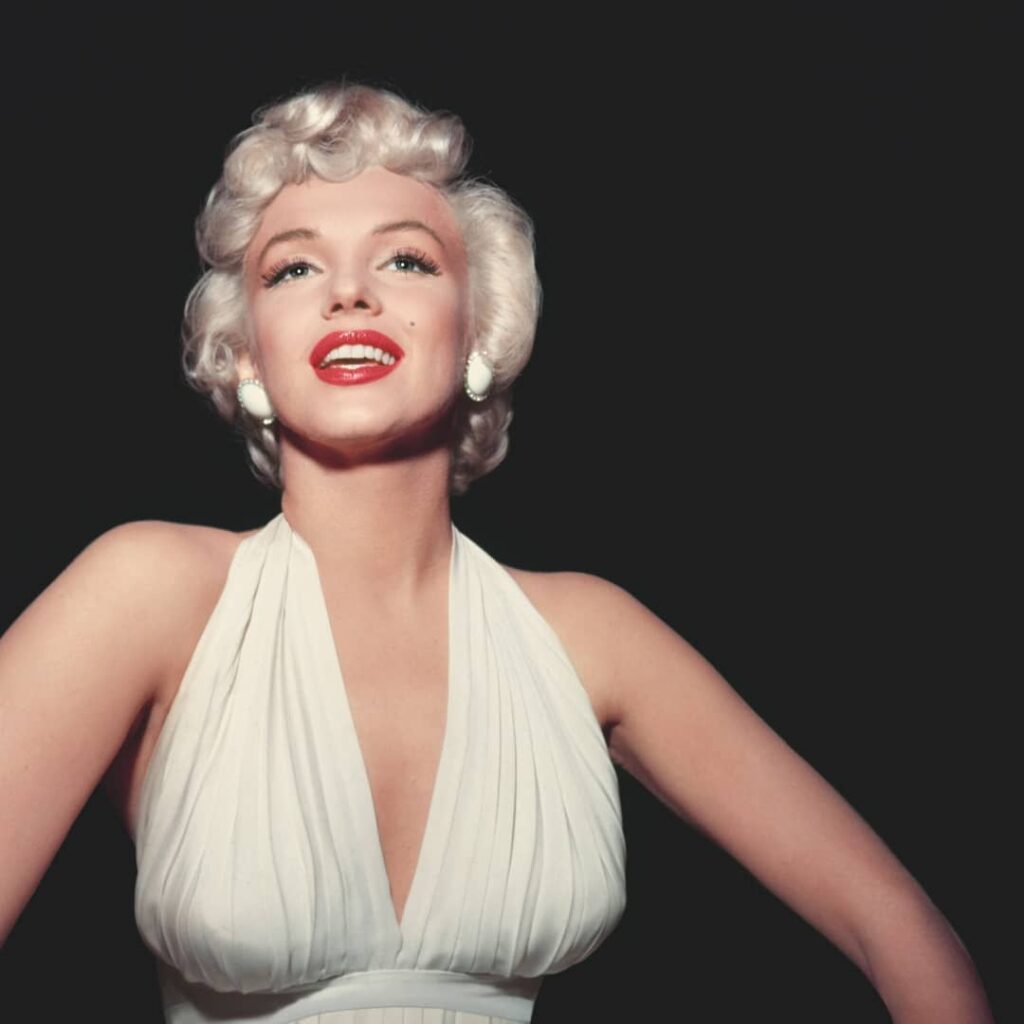
A clear link exists between contemporary beauty ideals and the television industry's widespread appeal. The production of movies and TV shows significantly shaped how much makeup people began to use.
Marilyn Monroe
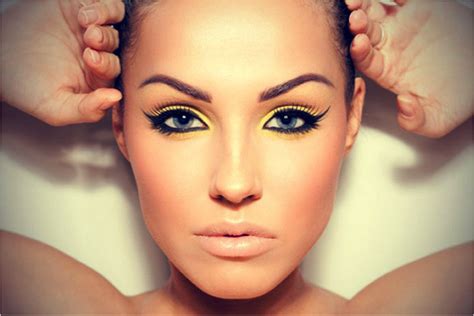
Eyeliner and blush subsequently entered the mainstream. While cosmetics had always played a role in daily life for both men and women, the global obsession with makeup truly took off after fashionable icons appeared on television screens.
Celebrities Shape the Ideal Physique
As the film industry expanded, women started modeling their bodies after popular actresses. Brigitte Bardot, Audrey Hepburn, and Sophia Loren were widely regarded as the ultimate symbols of femininity.
Sophia Loren
Later, the so-called "size zero" trend emerged. During that period, models boasted perfect measurements of 90-60-90 and were tall, which gave them a notably slender appearance.
READ: BLOATED LIPS BEAUTY. WHY DID WOMEN SCRATCH, BITE AND PIERCE THEIR LIPS FOR CENTURIES
In the 1990s, figures like Naomi Campbell, Kate Moss, and Claudia Schiffer rose to fame, popularizing the term "supermodel." Their bodies—simultaneously slim and curvaceous in key areas—were celebrated as the pinnacle of perfection.
Kim Kardashian
Today, women have numerous role models with vastly different body types. The hourglass silhouette—characterized by a narrow waist, wide hips, and a generous bust—remains popular. TV personality Kim Kardashian is the most famous example of this shape.
The Fitness Craze
Women did not always view exercise as essential. It was only in the 1980s that actress Jane Fonda sparked a fitness trend by releasing workout videotapes. That era introduced the fashion for a flat, toned stomach with just a hint of abdominal definition.
The Rise of Photoshop
Photoshop serves many purposes—it aids artists, animators, and designers in creating their work—but most people regard it primarily as a tool for concealing imperfections.
The majority of celebrities use such software. Media personalities retouch their photos, projecting an image of flawless perfection. Photoshop plays a key role in promoting unrealistic beauty standards, transforming a woman's natural appearance into a doll-like ideal.
When you think about it, beauty standards are not entirely negative. For instance, thanks to Jane Fonda, exercise became fashionable, which benefits our health. Additionally, society has recently begun to reconsider conventional norms. Nowadays, personal individuality takes precedence over whether someone conforms to external standards.
Photo: Instagram @kimkardashian, @sophialorendaily, @marilynmonroe
Featured image on politico.com