Throughout history, the concept of attractive female lips has undergone radical transformations—black, red, swollen, thin, or shaped like a figure eight. Yet lips have always remained the most captivating and alluring feature of the face. In pursuit of fashionable colors and shapes, women have resorted to using acid, scratching, biting, and injecting harmful substances. "GoSeekNest" delves into the millennia-long journey of female lips and why the world has been fascinated by extremes. The Bloated Ideal: Why Women Have Scarred, Bitten, and Pierced Their Lips for Centuries.
No Sacrifice Too Great
In ancient civilizations, bold makeup signified high social status, leading both men and women to experiment with lip color and shape. The Sumerians are credited with inventing the prototype of modern lipstick, using natural materials to tint their lips. Any ingredient that could intensify color was employed: fruits, henna, clay, rust, and even insects. Meanwhile, Mesopotamian women preferred a "matte lipstick" finish, grinding precious stones and dusting their lips with the resulting sparkling powder.
The Egyptians were likely the first true lipstick aficionados. They popularized dark, purple, and often nearly black lips. Attractiveness trumped health: the desired shades were achieved using harmful bromine or iron oxide. Fish scales added a glossy sheen to this lipstick.
Universal History Archive / Shutterstock / REX
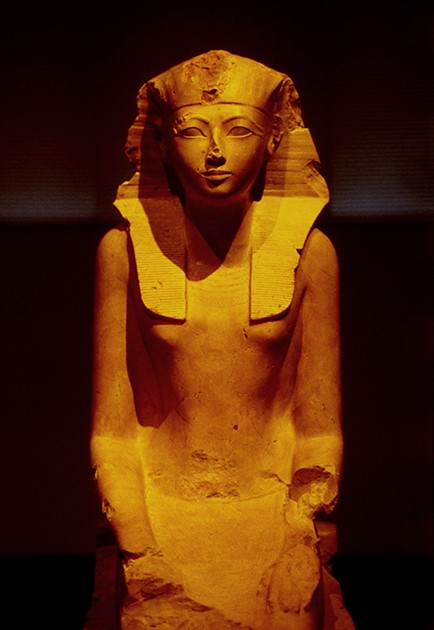
In the 1450s BC, Pharaoh Hatshepsut solved the problem during an expedition to Punt in East Africa. She obtained a safe lip color—carmine—derived from the acid secreted by female cochineal insects. Carmine remained popular for centuries; women applied it to their lips until the early 1900s.
The ancient Greeks, however, opposed bright lips and valued size and shape far more. In their view, the ideal female mouth had a soft semicircular curve, upturned corners, and a plump, square lower lip. Lip paint was reserved for prostitutes, who were legally required to wear dark lipstick.
In Asia, a contrasting labial trend emerged. Japanese aristocrats, sparing no effort, covered their faces with thick makeup and painted two tiny beads where their lips should be.
Lipstick: A Scent to Savor
During the Puritan era, lips had to be concealed, as the church condemned both lipstick and any form of makeup. Scarlet lips were associated with devil worship, and women with painted lips were mistaken for witches, captured, and executed. Thus, the Middle Ages gave rise to a fashion for thin, tightly compressed, nearly invisible lip contours. Yet women were drawn to makeup regardless: balms with secretly added dyes became popular. A simpler method to brighten lips was to bite, prick, and rub them with rough materials.
The term "lipstick" is believed to have been coined in the 16th century by Cardinal Armand Jean du Plessis de Richelieu, a prominent figure in the Roman Catholic Church and French statesman. The Duke de Richelieu adored the scent of apples. To continuously enjoy his favorite aroma, he ordered a fragrant ointment, which he applied to his upper lip. He called this remedy "lipstick"—from the French pomme (apple). Richelieu's invention was colorless, but fashionable women soon began mixing in pigments.
A hundred years later, people were painting their lips much like we do today, and lipstick became as popular among men as women. Courtiers with thick beards and mustaches outlined their mouths with color. Their wives also dared not neglect makeup: a French law allowed a man to divorce his wife if she became less beautiful after marriage than before.
Portrait, 1465 – Rogier van der Weyden
The first perfume company to profit from women's lips was the French brand Guerlain. Guerlain created lipstick from deer fat, beeswax, and castor oil. The mixture was then wrapped in silky paper and sold. However, the beauty world was truly revolutionized in 1915 with the introduction of a metal lipstick container by American businessman Maurice Levy. Levy equipped each tube with a small lever that allowed the lipstick to be pushed in and out, similar to modern mechanisms.
Levy's newly packaged lipstick was available as a familiar stick or liquid gloss, with the most popular item being long-lasting lipstick. Additionally, Levy invented a "natural" lip gloss based on bromic acid. The mixture reacted with the skin, producing a reddish tint. Another innovation that captivated American women in the early 20th century was flavored lipstick, with cherry being the most sought-after.
Everyone Adores You!
During the era of the Gibson Girls (the ideal female image created by American illustrator Charles Dana Gibson, featuring tall, slender women with narrow waists, large busts, and wide hips), lip fashion approached modern standards, and lipstick was a staple in every American's makeup bag. Silent film stars became true style icons, and popular women's magazines urged readers to emulate their looks. Devoted followers flaunted cherry, plum, eggplant, and brown lips.
In the 1920s, fashionistas went wild for the "Cupid's Bow," which involved an exaggeratedly defined upper lip line with a pronounced dip in the center and sharp corners. The lower lip was virtually absent. To achieve this shape, stencils were often used, and Polish entrepreneur Helena Rubinstein even created a special lipstick that supposedly gave lips the coveted arc. This decade also saw the rise of the first wave of feminism: women demanded the right to vote, and lipstick was chosen as their symbol.
Charles Dana Gibson
Another sensational novelty of that era was the "kiss-proof" Rouge Baiser formula, created by French chemist Paul Baudecroux. However, the lipstick didn't catch on; it was quickly pulled from stores due to numerous customer complaints. Outraged women claimed that the product not only resisted smudging during kisses but was also nearly impossible to remove from the lips. The chemist's concept failed, but global giants like Chanel, Guerlain, Elizabeth Arden, and Estée Lauder successfully launched their first lipsticks into mass production.
During World War II, women worked alongside men on the front lines. With metal in short supply, the familiar metal lipstick tubes were replaced with plastic and cardboard versions. Cosmetics themselves were scarce, forcing frontline soldiers to use makeshift means to enhance their beauty. They spared no expense: to boost morale in the army, women were urged to use the brightest red tones. The most popular scarlet shade of the 1940s, released by the Besame brand, was aptly named "American Beauty."
The Grandfather of Fillers!
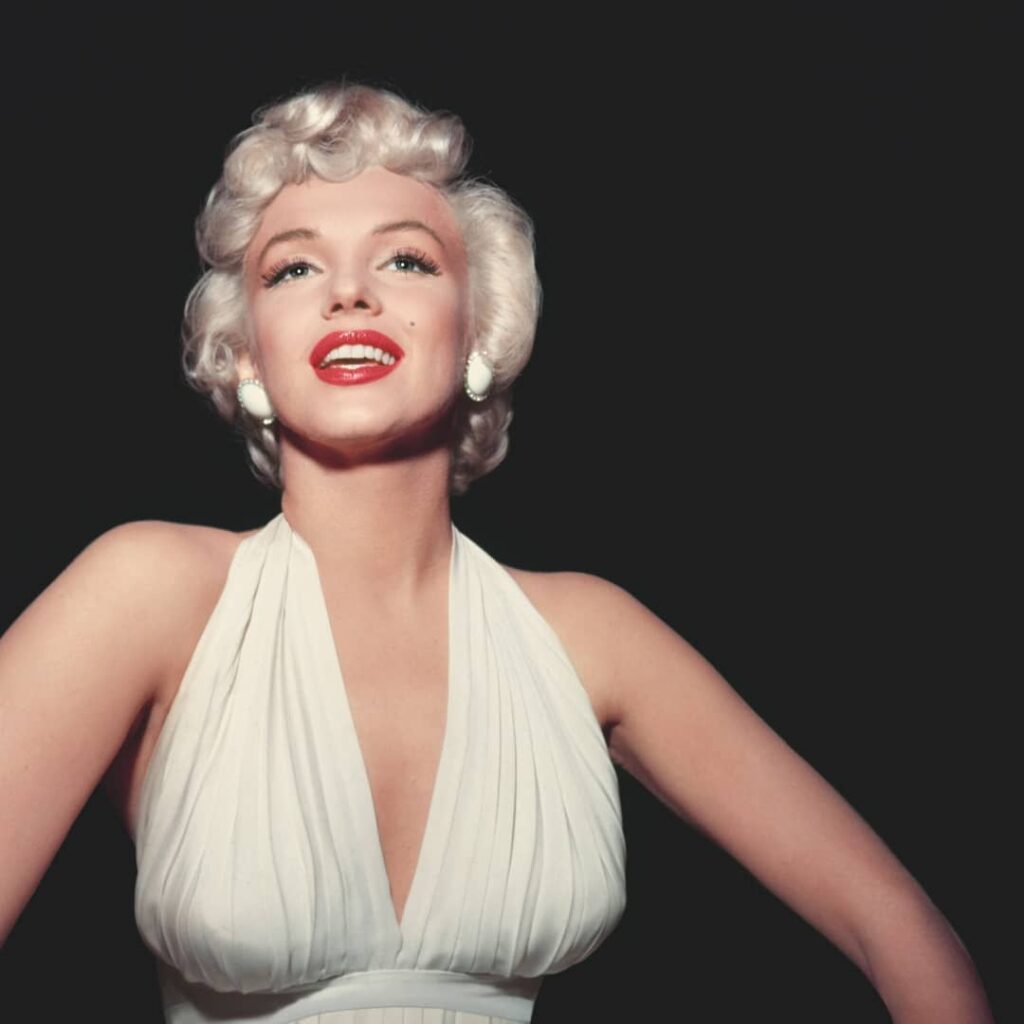
The mid-20th century marked a return to almost ancient Greek beauty standards: lips now dominated the female face—and the larger, the better. The trend was for a perfectly symmetrical, wide mouth; the lower lip finally received as much attention as the upper one. Additionally, the whole world sought to imitate Hollywood actresses. Women diligently copied the bright, bold, sexy looks of Grace Kelly and Marilyn Monroe, with one of the most popular lipstick colors being the rich scarlet "Envious" by Estée Lauder. A U.S. survey revealed that in the 1950s, 60 percent of teenage girls had already painted their lips.
However, with the arrival of Twiggy—the style icon of the 1960s—lip norms were again turned upside down. Now, intricate curves and shape mattered more than fullness. For the model herself, her enormous eyes attracted far more attention than her seemingly perfect lips. Nevertheless, this decade saw women begin to consider artificial lip augmentation, and doctors started experimenting with "fillers," injecting various substances into clients' lips. Silicone entered the scene, providing everyone with the same "duck" lips.
A decade later, cosmetologists even tried using beef collagen. Naturally, the results were highly questionable, and the method was soon abandoned. The real revolution in fake lips occurred only in the 1990s, when Julia Roberts became the sex symbol of the era. Women wanted the same large, expressive lips. Demand was met: scientists finally developed a substance close in structure to natural human collagen.
At the same time, naturalness suddenly came into fashion. People became concerned about environmental issues and demanded cosmetics with natural ingredients. Many women even abandoned decorative makeup in favor of permanent makeup: tattooing gained increasing popularity. As for makeup trends, nothing captures the turbulent 1990s like a dark lip liner contrasting sharply with light lipstick.
However, natural beauty still failed to triumph over the artificial. Fillers became more sophisticated each year, and plump lips grew increasingly attractive. The notorious Kardashian family played a significant role in this. In 2015, the youngest sister, Kylie Jenner, announced to the world that she had gotten new lips. The next day, clinics reported a 70 percent increase in interest in the procedure. According to the American Society of Plastic Surgeons, in 2015, more than 27,000 Americans left cosmetic clinics with enlarged lips—meaning such a procedure was performed approximately every 20 minutes.
Thus, Kim Kardashian gained global fame for her magnificent buttocks, while Kylie became known for her magnificent lips. That same year, the young woman launched her first line, Kylie Lip Kits, which within a few years grew into a cosmetic empire. So, on the lips of millions of women worldwide, the 21-year-old Kylie Jenner made millions of dollars and eventually earned the title of the youngest billionaire in the world.
But even the beloved pumped lips soon bored Instagram enthusiasts. Moreover, the price of fillers has dropped significantly in recent years.
Since trends change rapidly, something radically new is urgently needed.
As we've seen, trends in lip beauty have emerged across different corners of the globe, from Ancient Egypt to modern America. However, one thing is clear: with each passing century, this beauty demanded greater sacrifices. Whether women will have to endure even more severe transformations—perhaps having their lips sewn together or permanently removed—remains a matter of speculation.
Featured image on upnewsinfo.com