by Natasha Longo; Prevent Disease
For more than 10,000 years, the indigenous people of Mexico's highlands have savored avocados. They're tasty, versatile, and essential for guacamole. But you likely didn't know these ten incredible facts about avocados.
1) They Take a Year to Mature
It takes just a few minutes to eat one, but avocados require a long time to grow before reaching grocery store shelves or your restaurant plate. The avocado plant needs 10 to 15 years to grow large enough to bear fruit, and only does so under suitable conditions. The fruit itself takes a full year to fully mature before it's ready for picking and shipping to your local store.
2) They Raise Your Cholesterol
Good cholesterol, that is. While upping your fat intake might seem counterintuitive if you have high cholesterol, eating more avocado could actually benefit you. Avocados are packed with monounsaturated fatty acids, which boost HDL (good cholesterol) and lower LDL (bad cholesterol). When your HDL is high (60 mg/dl or higher is desirable for both men and women), your risk of heart attack or heart disease drops. A 2015 study in the Journal of the American Heart Association found that eating one avocado daily while following a moderate-fat diet led to a 13.5 mg/dL reduction in LDL levels.
3) Avocado Oil Is Superior to Most Oils
Avocado oil contains proteins, lecithin, beta-carotene, and over 20 percent essential unsaturated fatty acids. These fatty acids include palmitic, palmitoleic, stearic, oleic, linoleic, and linolenic. What's great about avocado oil is that it's not only a superfood oil suitable for uncooked dishes like salads and dips, but it's also highly recommended for cooking due to its high smoke point. In France, it even received prescription drug status for its proven ability to reverse arthritis.
4) You Can Substitute Avocado for Butter in Baking
While replacing all the butter in a baked recipe with avocado doesn't always work—it depends on the type and consistency needed—substituting about half the amount of butter called for is entirely doable. By swapping avocado for some of the butter, you can cut the fat by nearly 40%. Using all avocado will make your baked goods too flat, which you definitely want to avoid, but a half-and-half mix reduces calories without drying out your tasty treats.
5) Avocados Are True Berries
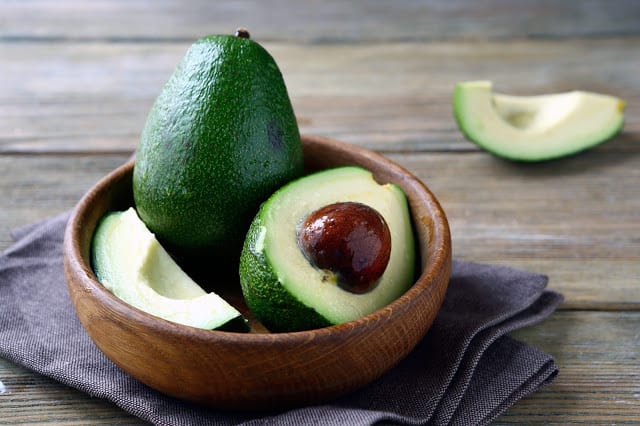
They may not look like it, but avocados are technically single-seeded berries, making them fruits, not vegetables. The botanical definition of a berry is a fleshy fruit produced from a single ovary. Berries are the most common type of fleshy fruit, and avocados possess all the essential characteristics to qualify.
6) Beautify Your Skin and Hair
Avocados aren't just for eating—they can also be great additions to your beauty routine. While applying avocado directly to the face is a popular natural beauty treatment, many people find that simply eating avocado regularly does wonders for their complexion.
You can also use them as a hair moisturizer, a soothing face mask, a natural remedy for sunburn, and—most exciting and surprising—an anti-aging facial treatment. Avocados are rich in antioxidant carotenoids like alpha-carotene, beta-carotene, beta-cryptoxanthin, zeaxanthin, and lutein. These free radical–quenching compounds provide significant protection for your skin against environmental damage that leads to fine lines, wrinkles, and other visible signs of aging.
7) Makes an Amazing Chocolate Lover's Pudding
Without question, one of the most delicious chocolate pudding recipes—raw or otherwise—is made with avocados. I promise that if you try it just once, you'll fall in love and wonder why all chocolate puddings aren't made with avocados.
8) 16 Different Varieties
There are actually hundreds of types of avocados, but out of the 16 common varieties, seven are grown commercially in California. The Hass variety accounts for approximately 95 percent of the total crop each year, which runs from spring to fall.
While you probably regularly buy Hass avocados from the produce section, there are many avocado varieties you've likely never seen or heard of, including bacon, fuerte, gwen, pinkerton, reed, zutano, and many others.
9) Increases Intelligence
Over 75% of the fat in avocados is good fat, with 5g coming from monounsaturated fatty acids (MUFAs) and 1g from polyunsaturated fat per 50g serving. In one study, scientists also found that higher serum levels of MUFAs correlated with higher small-world propensity in the dorsal attention network (DAN). Taking both correlations together, they concluded that dietary MUFAs influence cognition via the DAN pathway.
10) There's an Easy Way to Detect Ripeness
You might think determining an avocado's ripeness is a guessing game, but it's actually much simpler. To ensure you bring home an avocado that's perfectly green and creamy inside—free from ugly brown spots—the key is checking under the stem. This part offers a sneak peek of what's happening beneath the skin. If it's brown underneath, the avocado is past its prime. If it's creamy avocado green, it should be perfect inside. If it looks too pale green, it's likely not ripe yet, so don't cut into it. Never unnecessarily throw away an under- or over-ripened avocado again.
ALSO READ Roasted Beet, Avocado and Goat Cheese Spinach Salad with Chicken
READ Superfoods For the Perfect Face: 9 Products that Help Cleanse the Skin and Get Rid of Acne
Sources: thekitchn.com; verywell.com; healthiestfoods.co.uk; mashed.com; backyardavocados.com; californiaavocado.com