A thoughtfully arranged living room establishes the mood for your whole house, fostering a sense of balance and practicality for everyone who steps inside. According to interior design experts, certain everyday items and habits can easily upset this equilibrium and detract from your room’s comfort and visual appeal. Drawing on insights from sources like Architectural Digest and House Beautiful, here are the missteps to steer clear of and how to craft a warm, stylish retreat.
1. Furniture That’s Too Large
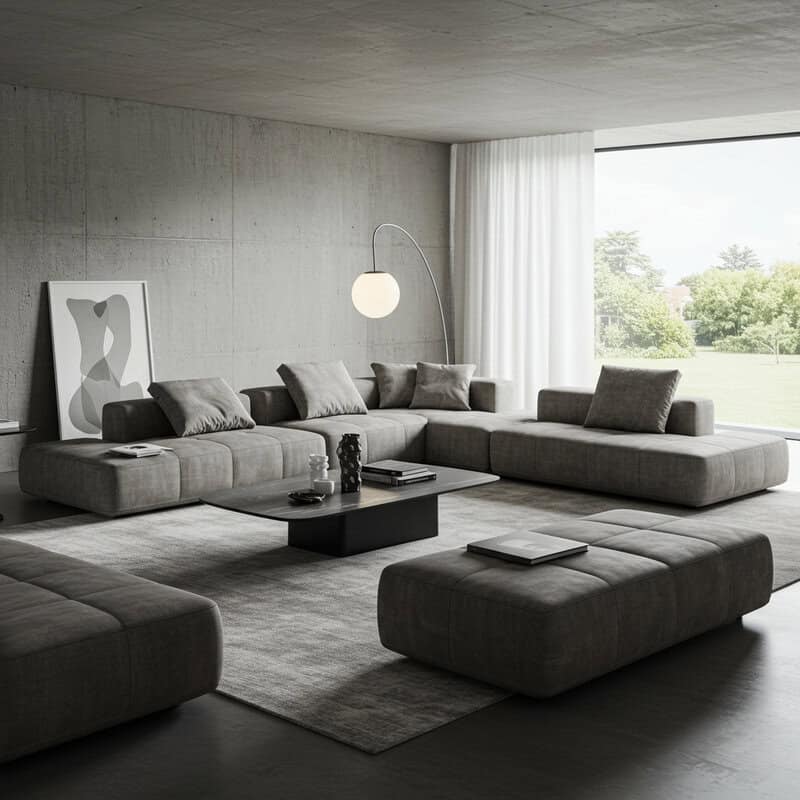
An extra-large modular sofa fills a petite living room, cleverly maximizing coziness in the snug, compact area. | Generated by Google Gemini
Massive sofas and oversized sectionals can overwhelm a living room, making it feel tight, messy, and unwelcoming. Designers highlight the need for proper scale—your furniture must match the room’s dimensions, allowing ample space to move and letting the layout feel open. Always measure both your room and any potential furniture before buying to guarantee a good fit. Instead of bulky pieces, consider modular designs or streamlined seating that offers adaptability and elegance. For expert guidance on choosing well-sized furniture, see Architectural Digest’s tips for sidestepping common living room errors.
2. Too Much Clutter
Messy shelves stand in contrast to clean, minimalist decor in an organized living room built for both beauty and utility. | Generated by Google Gemini
Piling your living room with ornaments, piles of books, or too many trinkets can quickly create visual disorder, making relaxation and unwinding difficult. Designers advise showing only a handful of meaningful or attractive objects and stashing the rest elsewhere to preserve a sense of tranquility. Regularly pruning your collections and swapping items keeps the room feeling fresh and welcoming. For hands-on decluttering methods that promote a calmer atmosphere, check out The Spruce’s professional advice on simplifying your living areas.
3. Old Electronics
A retro television sits amid a jumble of tangled cords, surrounded by sleek, contemporary electronic devices. | Generated by Google Gemini
Antiquated bulky televisions, tangled cables, and forgotten tech gear can make even the most fashionable living room feel outdated and disorderly. These items pull focus from your overall design and break the room’s visual harmony. Designers suggest upgrading to sleeker, more modern gadgets and hiding visible technology whenever feasible. Concealing cords with clever solutions not only tidies the area but also yields a neater, more refined appearance. For a selection of effective cord management products and advice, visit Wirecutter’s cable management guide to simplify your arrangement.
4. An Overload of Family Photos
A snug gallery wall filled with treasured family pictures adds a warm, personal touch to this inviting living area. | Generated by Google Gemini
Though family snapshots bring warmth and character, covering every surface with them can overpower your living room and turn it into more of a private shrine than a communal, welcoming area. Designers recommend being selective and purposeful—pick a few favorites to exhibit, or assemble a curated gallery wall for visual effect without overcrowding. This method keeps intimacy intact while making sure the space stays inviting for visitors. For more ideas and expert tips on striking the right balance with photo displays, browse House Beautiful’s guide to living room decor mistakes.
5. Poor-Quality Lighting
A chic living room shines with layered lighting, combining stylish overhead fixtures and contemporary lamps for a cozy glow. | Generated by Google Gemini
Relying solely on harsh ceiling lights or a couple of dim lamps can flatten the ambiance of your living room and reduce both its usefulness and coziness. Designers advocate for layered lighting—mixing ambient, task, and accent sources like ceiling fixtures, table lamps, and wall sconces—to produce a warm, inviting atmosphere and make every part of the room functional. This strategy lets you adjust light for reading, entertaining, or relaxing. For practical advice on crafting the ideal lighting plan, see Better Homes & Gardens’ lighting design tips.
6. Clashing Styles
A vibrant living room comes alive with mismatched furniture and eclectic pieces, tied together by thoughtfully chosen decor elements. | Generated by Google Gemini
Conflicting furniture styles, competing patterns, or a jumble of uncoordinated decor themes can make your living room feel fragmented and visually overwhelming. Designers stress the value of cohesion—selecting a consistent color scheme or adhering to a clear design direction helps bind the room. For instance, pairing mid-century modern chairs with a contemporary sofa works if the color palette or material finishes complement each other. Thoughtful mixing adds depth, but too much variety creates confusion. For more advice on achieving a harmonious look with blended styles, check out Elle Decor’s tips on style cohesion.
7. Delicate Decor Items
A delicate vase made from durable materials adds a touch of elegance to a family-friendly living room setting. | Generated by Google Gemini
Filling your living room with fragile vases, glass sculptures, or other breakable decorations can be a recipe for disaster—especially in busy homes with children or pets. Such items often demand constant vigilance and take away from a relaxed, livable feel. Designers suggest choosing durable, family-friendly materials like woven baskets, sturdy ceramics, or wood accents that can handle everyday use. These options provide peace of mind while preserving the room’s style and practicality. For more suggestions on practical yet attractive living room accessories, browse Real Simple’s guide to living room decor.
8. Wall-to-Wall Carpet
A cozy living room features plush wall-to-wall carpeting accented by a stylish area rug in the center. | Generated by Google Gemini
Many designers avoid wall-to-wall carpet in living rooms, preferring the flexibility and style of area rugs. Full carpeting can trap dust, allergens, and odors, making upkeep harder over time. By contrast, area rugs are simpler to clean, replace, and layer, allowing for frequent style changes and targeted warmth where it’s most needed. They also help define seating zones and introduce color or texture without dominating the room. For more details on the pros and cons of various flooring options, see Consumer Reports’ flooring buying guide.
9. Artificial Plants
Live houseplants enhance living rooms with authentic color, texture, and a refreshing natural vibe.
Fake plants often fail to deliver the lively, fresh atmosphere designers aim for in a living room. Over time, artificial greenery can appear dated, gather dust, and diminish the vibrant energy that real plants bring. Whenever possible, choose easy-care live houseplants—they purify the air and add genuine texture and color to your decor. If real plants aren’t feasible, invest only in high-quality faux versions that closely mimic the real thing. For tips on selecting and caring for indoor greenery, browse Martha Stewart’s guide to houseplants.
10. Uncomfortable Seating
A cozy sofa beckons from the corner of an inviting living room, while an uncomfortable chair sits quietly nearby. | Generated by Google Gemini
Seating that is too firm, lacks adequate padding, or has awkward shapes can quickly make your living room feel unwelcoming for family and visitors. Designers stress the importance of comfort—always test sofas and chairs before purchasing, focusing on support, depth, and softness to ensure everyone feels at ease. Well-chosen, comfortable seating encourages relaxation and conversation, turning the living room into a true gathering spot. For expert advice on picking the right sofa and prioritizing comfort without compromising style, explore Good Housekeeping’s sofa buying guide.
11. Overly Themed Decor
A living room bursting with themed decor, where every surface is adorned, creating a lively yet balanced interior. | Generated by Google Gemini
Going all-in on a single motif—like nautical, farmhouse, or retro—can make your living room feel more like a themed attraction than a comfortable, timeless sanctuary. Designers warn that heavy theming often dates quickly and can dominate the space. Instead, they suggest weaving in subtle nods to your preferred style through color, textiles, or a few select accessories, allowing personality to shine without upsetting balance. This approach keeps your decor fresh and adaptable. For inspiration on achieving a harmonious look with just the right amount of theme, see Apartment Therapy’s guide to balanced theming.
Conclusion
A beautifully designed living room features cozy seating, warm lighting, and stylish décor that creates an inviting home atmosphere. | Generated by Google Gemini
By making deliberate choices and avoiding these typical living room pitfalls, you can create a space that is comfortable, stylish, and long-lasting. A well-edited, intentionally designed living room not only welcomes guests but also mirrors your personality while remaining functional for years ahead. For more expert tips on crafting harmonious interiors, explore resources like Architectural Digest’s DIY section and House Beautiful’s living room ideas.