In Indian cuisine, chutneys are the perfect companion for breakfast dishes and appetizers—no meal feels complete without a generous side of them. These condiments can be crafted from vegetables, lentils, seeds, or fruits, though fruit-based chutneys are more common in Western cooking. They’re simple to prepare and can keep in the fridge for up to two days, though freshly made chutney always tastes superior. When the main ingredient is a vegetable, it’s typically cooked on the stove or in a pressure cooker, then cooled and ground with powdered or whole spices to enhance flavor, sometimes finished with a tempering of mustard seeds and urad dal. For green-based chutneys, all ingredients are ground together raw, without cooking. The name of a chutney usually reflects its primary ingredient.
Common spices in chutneys include fenugreek (methi), coriander, cumin, and asafoetida. Tamarind adds a tangy note, while greens like mint and coriander are incorporated for a healthier twist or as the star ingredients. Ginger contributes zest and a tangy kick, along with its well-known health perks. Before electric appliances became common, chutneys were made using a mortar and pestle or an ammikallu, where ingredients were ground through constant pounding and mixing. Today, grinding is quick and convenient with a mixer that uses high-speed cutting and chopping to prepare the chutney.
In North India, chutneys are served alongside cheelas, tikkis, and thalipeeth, while in South India they accompany dosa, idlis, vada, upma, and sandwiches. Beyond breakfast, chutneys also make an excellent side for hot steamed rice with a drizzle of ghee.
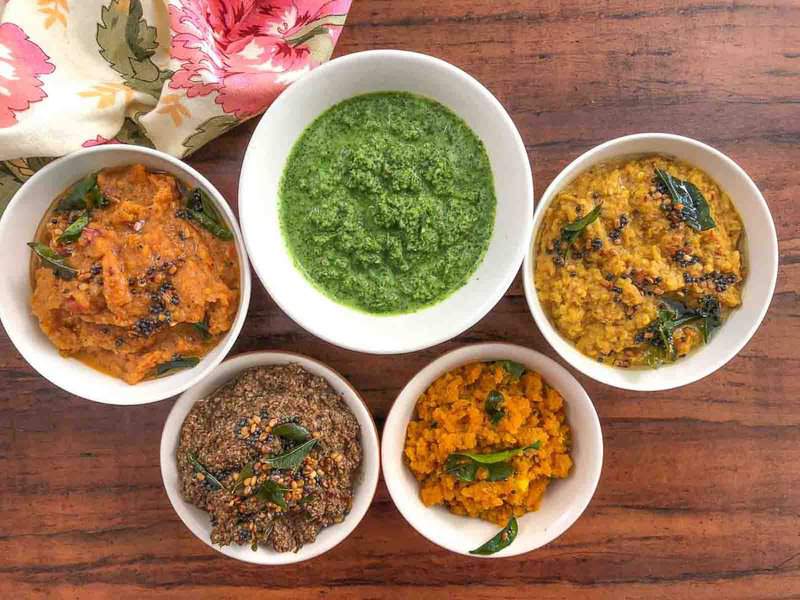
Here are five chutney recipes from Archana’s Kitchen that can elevate your breakfasts or any meal with their vibrant flavors.
5 Tasty Chutneys You Can Whip Up Using Turbo Chop from Archana’s Kitchen
1. Sweet & Spicy Amla Chutney Recipe
If you crave a chutney that’s tangy, sweet, and spicy, try Amla Chutney, also known as Gooseberry Chutney. Amla is packed with health benefits, especially its high Vitamin C content, which helps the body fend off colds and flu during winter. This winter fruit is widely available across India. You can prepare this Amla Chutney and store it in an airtight container for up to a week. It pairs wonderfully with cheelas, dosa, and tastes especially fantastic with hot steamed rice and ghee.
2. Green Coriander and Coconut Chutney Recipe
This chutney is quick and easy to make, requiring just a few staples found in every Indian kitchen—coconut, coriander, chili, ginger, and cumin seeds. Green Coriander and Coconut Chutney can be served with samosas, pakoras, or even used as a spread for sandwiches.
3. Tomato Onion Chutney | Thakkali Vengayam Chutney
As the name suggests, this chutney uses tomato and onion, but it’s slightly different because it calls for pearl onions instead of regular ones. Pearl onions are sweet and lack the pungency of standard onions, making them a great addition to the chutney. With spices and a tempering, this chutney goes perfectly with dosa, adai, pesarattu, upma, paratha, and can even be spread on sandwiches.
4. Spicy Mullangi Thogayal Recipe
Radish, or mooli, is a versatile vegetable that adapts well to any Indian dish. Radishes come in various colors, each with a distinct raw taste—pink ones are sweeter, while white ones have a peppery kick. For this chutney recipe, we use white radishes because their pepperiness adds fantastic flavor when cooked with a range of spices. Enjoy this chutney, known as thogayal in Tamil Nadu, with dosa, upma, or alongside hot steamed rice and ghee.
5. Ellu Chutney (Sesame Seeds Chutney Recipe)
Ellu, or til, is a nutritious chutney primarily made in South India. The black variety of sesame seeds used here is rich in calcium and zinc, which are crucial for maintaining bone health. This recipe is simple and takes very little time to prepare. Go ahead and make this chutney to enjoy with dosas and rotis.