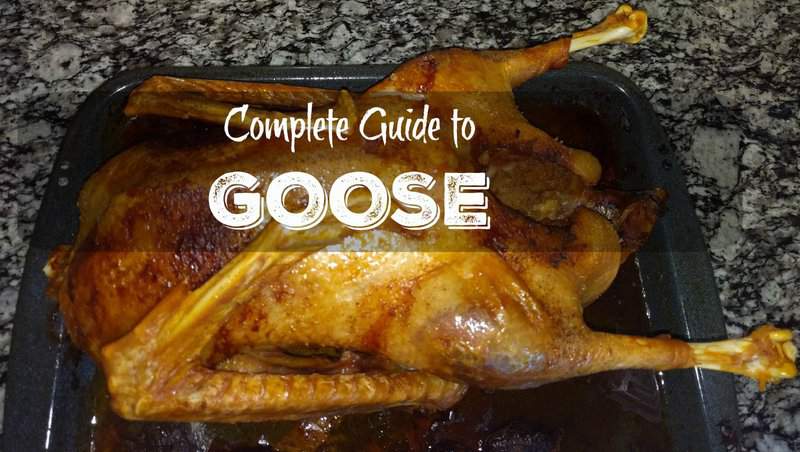
For a special occasion, goose makes an excellent alternative to ordinary chicken. Its flavor and mouthfeel fall somewhere between turkey and duck. Because our household traditionally has pastured turkey at Thanksgiving, we prefer to switch things up for Christmas with a different bird. This past holiday season, we decided it was time to roast a goose once more.
Cooking a goose is easier and more economical than many people assume. Although it costs slightly more per pound than pastured turkey, the process yields a substantial amount of goose fat and at least a gallon of goose stock. You can save that flavorful, nutrient-dense fat for roasting vegetables and imparting incredible taste for weeks afterward. The broth becomes an intensely flavorful foundation for soups and sauces. Old-school chefs call goose fat 'old white magic' — try roasting potatoes in it, and you'll see why.
This year's Christmas goose tipped the scales at 11.5 pounds and gave us an entire quart of luxurious goose fat. Aside from duck, no other poultry is as bountiful. As soon as it was still warm, I strained that golden liquid into a big container and put it in the fridge.
Advantages of Goose Fat
Both chicken and goose schmaltz boast a fatty acid composition that's highly favorable, comparable to beef tallow and pastured lard. Here is the breakdown for goose fat:
- Polyunsaturated fats: 11%
- Saturated fats: 27%
- Monounsaturated fats: 54%
The minimal level of polyunsaturated fats (PUFAs) makes goose fat an excellent cooking medium that resists spoilage. Its smoke point is approximately 400°F (204°C), making it a safe option for frying.
The image below shows rendered goose fat after being poured straight from the roasting pan, strained, and then refrigerated. In liquid form, it has a deep yellow-orange hue.
Goose Fat Supports Cardiovascular Health and Healthy Body Weight
In the fridge, goose fat becomes a whitish-beige semi-solid. This classic fat is a staple in France, especially in the Gascony region of the southwest. The incidence of heart attacks among middle-aged men there is remarkably low—just 80 per 100,000. Contrast that with the fat-fearing United States, where the rate is almost four times higher: 315 per 100,000 middle-aged men experience heart attacks annually. (1)
Unsurprisingly, weight problems are uncommon in Gascony too—a phenomenon often called the French Paradox. People familiar with traditional diets recognize that this is hardly a paradox. Nutritious fats don't cause weight gain! It's the overconsumption of sugar, carbohydrates, and appetite-stimulating industrial fats like vegetable oils that lead to excess pounds.
Roasting a Goose
The process for roasting a goose is quite similar to that for duck or turkey. Still, sticking to time-honored methods is essential for achieving a moist outcome. The directions below are adapted from a cherished cookbook, The Hows and Whys of French Cooking.
Most geese fall in the 10–14 pound range (4.5–6.4 kg), and these steps assume your bird fits that size.
Step-by-Step Roasting Instructions
- Wash the goose well and dry it completely with a towel.
- Set the oven to 425°F (218°C).
- Put the goose in a roasting pan and season it with sea salt and pepper.
- If you like, fill the goose with a classic stuffing.
- Roast for 40 minutes.
- Lower the temperature to 375°F (191°C) and continue roasting for one hour.
- Reduce heat again to 325°F (163°C) and roast for two hours.
- Raise the temperature back to 425°F (218°C) and brown the bird for 20 minutes.
- Take the roasted goose out of the oven and let it rest uncovered on the counter for 15 minutes.
- Carve and serve.
- One roasted goose feeds six people.
Keep in mind that basting isn't needed because the goose's meat and skin are already rich in fat. During roasting, you'll see the skin remains glossy and moist.
I recommend preparing your side vegetables after the goose comes out (step 9) and rests on the counter. Use a stainless steel baster to draw off some of the rendered fat from the pan to cook those veggies. The taste is amazing!
Preparing Goose Stock
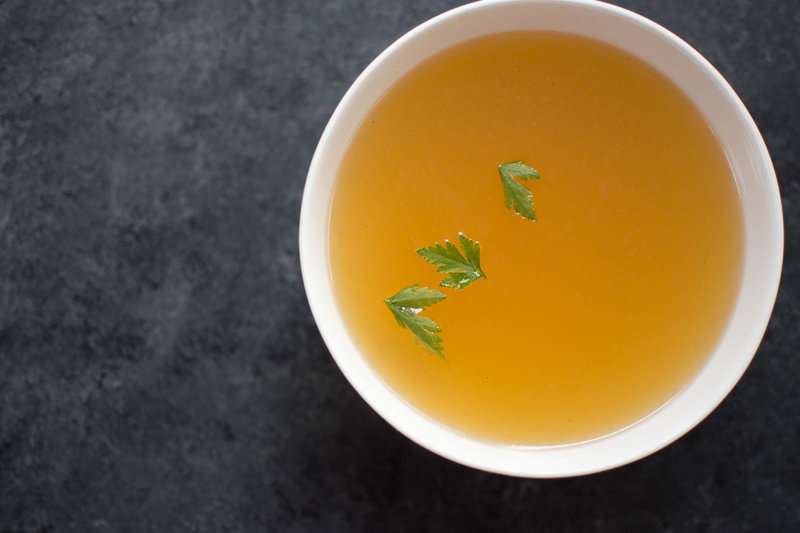
Making goose stock is similar to preparing other bone broths. After you've stripped the roasted goose of meat, save the bones for stock. I keep the meat on the wings and include the neck and heart (from the giblets inside the bird) along with the carcass to enhance gelatin and taste.
I recommend using the goose liver for paté rather than stock. Goose liver paté is rich in the animal-derived form of vitamin K2, called MK-4. Traditional cultures regarded food sources of this elusive fat-soluble vitamin as sacred. It's an essential but often neglected nutrient for preventing premature aging. Why? Because it's a politically incorrect nutrient—nearly all K2 sources are animal-based (except natto, whose taste and aroma most people find unappealing).
Classic Goose Stock Recipe
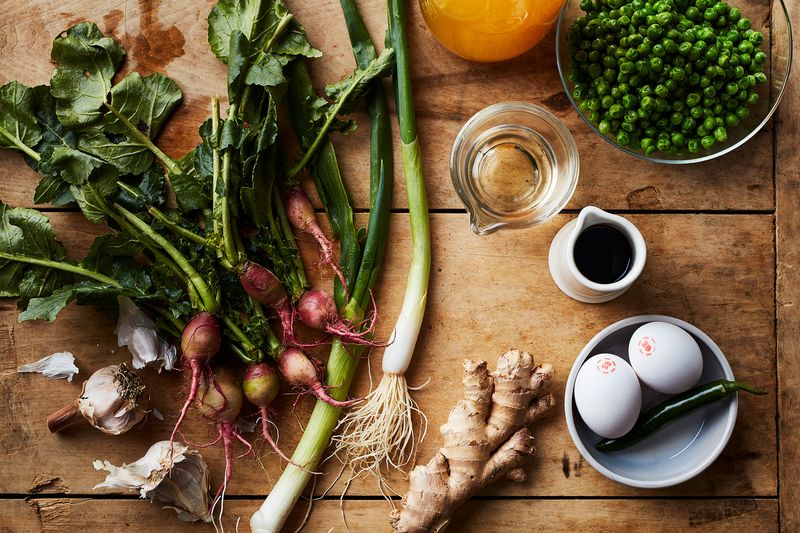
A recipe for goose bone broth using the carcass left after roasting.
- 1 goose carcass, including meat from wings, neck, and heart
- 3 carrots, chopped (organic preferred)
- 2 medium turnips, chopped (organic preferred)
- 2 leeks, chopped (organic preferred)
- 1 large onion, chopped (organic preferred)
- Wash and chop the carrots, leeks, turnips, and onion.
- Put all ingredients in a large stockpot (I use this one) and add enough filtered water to cover.
- Leave the pot uncovered on the counter for 30 minutes.
- Bring the water to a boil. Just before it reaches a boil, skim off any white foam that rises and discard it.
- Reduce the heat, cover, and simmer on low for 6 to 24 hours. Check periodically and add more filtered water if needed.
- Remove from heat and let cool. Strain the broth into wide-mouth half-gallon mason jars, seal with lids, and refrigerate. Goose bone broth keeps for about 5 days in the fridge. Freeze any portion you won't use within that time.
Sarah, The Healthy Home Economist
Sarah holds a Master’s degree from the University of Pennsylvania. A mother of three healthy children, blogger, and best-selling author, she focuses on applying Traditional Diet principles and evidence-based wellness in today’s home. Her writing has appeared in USA Today, The New York Times, ABC, NBC, and numerous other outlets.